Table of Contents
- Why Booking Multiple Surface Repairs Together Matters
- Cosmetic Repair vs Replacement for Rental Units
- How to Schedule Property Repairs Efficiently
- Understanding Surface Repair Turnaround Time
- Managing Costs When Booking Multiple Repairs
- What to Expect During the Repair Process
- Getting Started: Your Next Steps
- Frequently Asked Questions
Last Updated: 2 September 2026
Why Booking Multiple Surface Repairs Together Matters
When you're managing rental properties, every day a unit sits empty costs money. A single chip in a bath, a burn mark on a worktop, or a crack in a tile shouldn't force you to choose between accepting damage or losing rental income during lengthy repairs. Booking multiple surface repairs for rental properties changes that equation entirely.
The real advantage isn't just convenience, it's efficiency. When you consolidate repairs into one or two visits instead of scheduling contractors separately for each damaged surface, you reduce disruption, cut coordination overhead, and get units back to lettable condition faster. For landlords managing properties across multiple locations, this approach transforms what could be a chaotic repair schedule into a manageable process.
Surface Magic Repairs works with landlords and property managers, and the pattern is consistent: properties that batch repairs between tenancies spend less time vacant and require fewer follow-up visits. This guide walks you through the practical steps to make booking multiple surface repairs work for your rental business.
Cosmetic Repair vs Replacement for Rental Units
The decision between repairing and replacing damaged surfaces shapes your entire repair strategy. For rental properties, this choice directly affects your budget and turnaround time.
A cosmetic repair addresses visible damage, chips, scratches, burns, stains, cracks, without removing the underlying fixture. The repair is completed in place using specialist filling, colour-matching, and refinishing techniques. A replacement removes the entire damaged item and installs a new one, which means strip-out work, potential structural adjustments, redecorating or retiling, and significantly longer downtime.
Cosmetic repair works best when the underlying fixture is structurally sound but cosmetically damaged. A bath with a chip, a worktop with a burn mark, or tiles with hairline cracks are ideal candidates. The repair restores appearance and usability without the cost and disruption of full replacement.
Replacement becomes necessary when damage is structural, a bath with a crack that leaks, a worktop that's warped or water-damaged, or tiles that are loose and pose safety risks. In these cases, the fixture itself has failed, not just its surface.
For rental properties specifically, cosmetic repair offers a practical advantage: it keeps units rentable quickly between tenancies. Most repairs complete within days, whereas replacement work often takes weeks once you factor in removal, installation, and any associated decorating or tiling. This matters directly to your rental income.
The supporting keyword cosmetic repair vs replacement for rental units naturally fits here because the decision determines your entire booking strategy. Properties with a clear repair-versus-replace assessment beforehand book more efficiently.
How to Schedule Property Repairs Efficiently
Efficient scheduling starts before you pick up the phone. The difference between a smooth repair process and a frustrating one is preparation.
Audit all surfaces before booking
Walk through each property and document every damaged surface. Use your phone camera to photograph damage, note the location (bathroom, kitchen, hallway), and describe the damage type (chip, burn, crack, stain). This audit becomes your booking reference and helps the repair specialist understand scope before arrival.
Many landlords try to book repairs reactively, a tenant reports damage, you call immediately. This approach wastes the efficiency gains of booking multiple repairs together. Instead, schedule a property inspection every 6 to 12 months, or conduct a full audit between tenancies. Collect all damage into a single list, then book repairs as a batch.
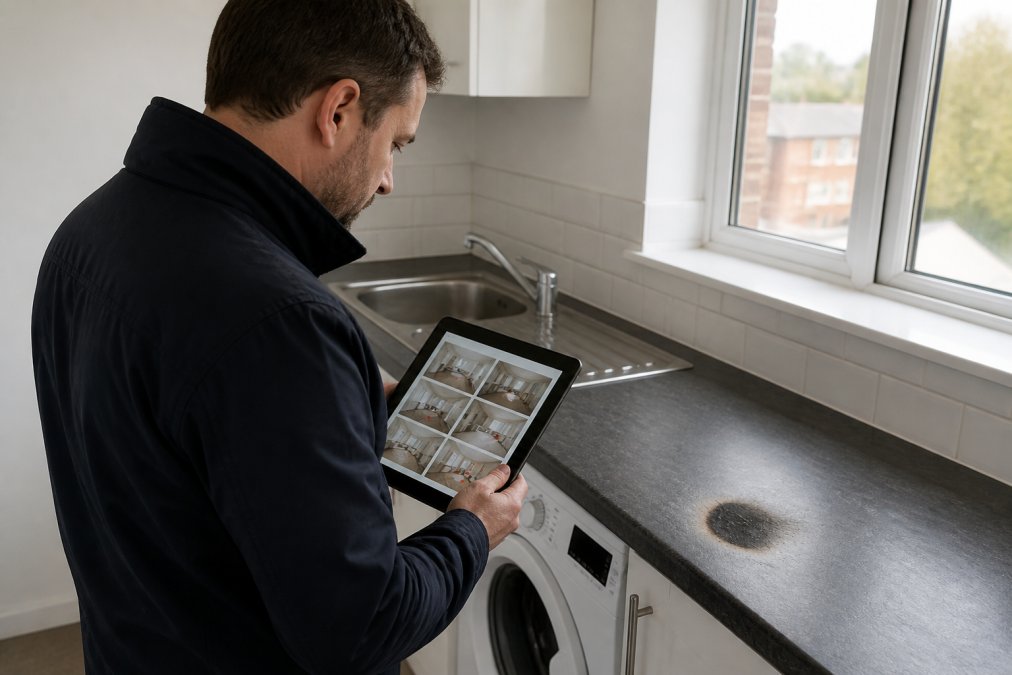
Document the material of each damaged surface, is it ceramic tile, porcelain, laminate, solid-surface worktop, UPVC, or fitted furniture? This detail matters because repair techniques vary by material. Providing this information upfront accelerates the booking process and ensures the specialist brings the right equipment and colour-matching materials.
Group repairs by location and urgency
Once you've audited surfaces, group repairs by property location and urgency level. If you're managing multiple properties, repairs in the same building or area can be scheduled together, reducing travel time and specialist costs.
Separate repairs into two tiers: urgent (damage affecting safety, functionality, or immediate lettability) and routine (cosmetic damage that doesn't prevent letting). Urgent repairs get scheduled first and often justify a dedicated visit. Routine repairs can be batched with other non-urgent work at the same property.
Grouping repairs per property visit can be efficient. Below that, you're not maximising the specialist's time on-site. Above that, the visit becomes unwieldy and may require multiple specialists or extended time, increasing costs.
Coordinate with your letting agent or property manager
If you work with a letting agent or property manager, they often coordinate repairs on your behalf. Provide them with your complete audit list and your preferred repair windows. Clear communication about turnaround time expectations prevents mismatches, if you expect repairs to complete within a week but the specialist needs three weeks, that gap creates problems.
Letting agents and property managers typically have relationships with repair contractors and can often negotiate better rates for batched work. They also manage tenant communication, ensuring access is arranged and tenants understand the repair schedule.
When booking multiple surface repairs for rental properties through an agent, confirm that they're grouping repairs by visit, not booking each one separately. Some agents default to individual bookings, which defeats the efficiency purpose.
Understanding Surface Repair Turnaround Time
Turnaround time is the interval between booking and completion. For rental properties, this directly affects how quickly you can re-let a unit.
Most cosmetic surface repairs complete within 1 to 5 working days from the specialist's site visit, depending on the number and complexity of repairs being done (peer-reviewed research). A single chip repair might take a few hours. Repairs across different surfaces (bath, tiles, worktop, door frame) typically take half a day to a full day. Multiple repairs might require a full day or occasionally a second visit.
This is substantially faster than replacement work. A bath replacement alone, removal, installation, and associated tiling or decorating, commonly takes 2 to 3 weeks (peer-reviewed research). When you're managing rental properties, that difference in turnaround time is the commercial advantage of booking multiple surface repairs rather than replacing damaged items.
The supporting keyword surface repair turnaround time is central here. Landlords booking repairs need realistic expectations about how quickly units return to lettable condition.
Several factors affect turnaround time. The number of repairs being done is the most obvious, more repairs take longer. The type of damage matters too; some repairs are quicker than others. The material of the surface affects technique and drying time. A specialist completing repairs on multiple materials in a single visit may need to sequence work carefully to manage drying times between repairs.
Booking during off-peak periods, outside school holidays and summer letting season, sometimes allows faster scheduling, though turnaround time for the actual repair work remains consistent.
When you're booking multiple surface repairs for rental properties, discuss turnaround time expectations with the specialist during booking. Be specific about your deadline: "I need this unit ready to let by 15 November" is clearer than "as soon as possible." Specialists can then confirm whether they can meet your timeline or suggest alternative dates.
Managing Costs When Booking Multiple Repairs
The cost advantage of booking multiple repairs together is real but often misunderstood. It's not that each individual repair becomes cheaper, it's that the total cost for multiple repairs is significantly lower than booking them separately.
When you book repairs separately, you pay for specialist travel time, setup, and mobilisation costs for each visit (the American Dental Association). Booking multiple surface repairs for rental properties in one or two visits consolidates those overhead costs. The specialist travels once, sets up once, and completes all repairs in sequence. Your total cost for multiple repairs drops significantly because you're not duplicating travel and setup.
The exact cost structure depends on the specialist you work with, the number of repairs, the materials involved, and your location. Rather than guessing at savings, request a quote for your complete repair list. Most specialists will provide a better rate for batched work than for individual repairs.
Beyond cost per repair, batching reduces your total downtime cost. A unit sitting empty for 3 weeks (replacement scenario) costs more in lost rent than a unit empty for 3 days (repair scenario), even if the repair work itself costs slightly more per item.
Track your repair costs alongside vacancy periods. Over time, you'll see that properties managed with planned, batched repairs have lower total costs than properties where repairs are reactive and scattered.
What to Expect During the Repair Process
Understanding the repair process removes uncertainty and helps you plan around the work.
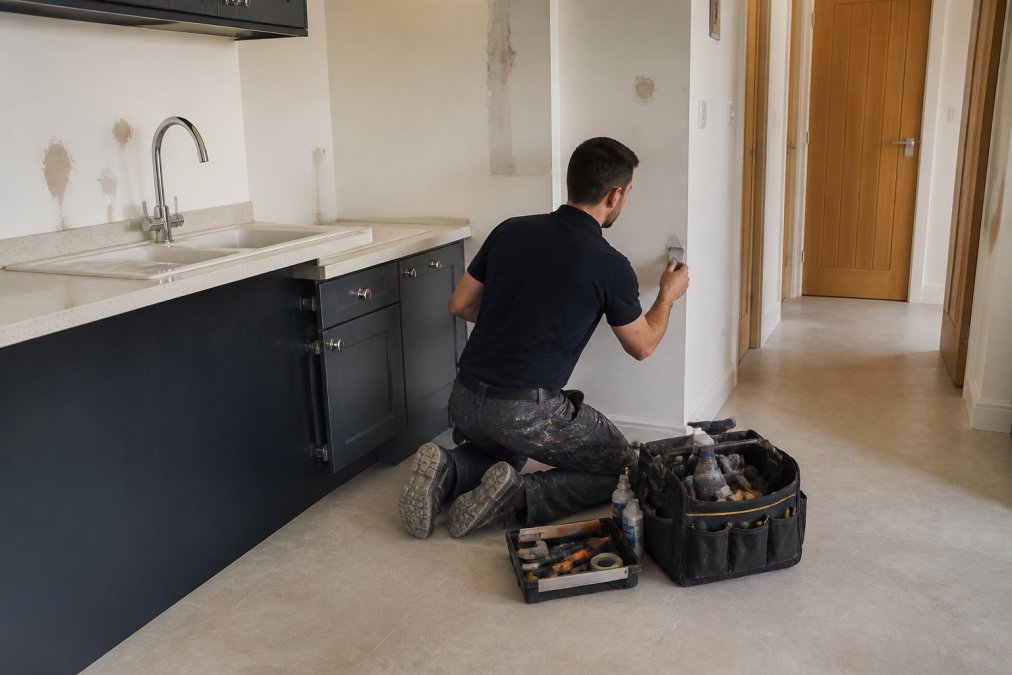
Before the specialist arrives, ensure the property is accessible and any necessary areas are clear. If repairs involve a bathroom, remove personal items and ensure the specialist can access the bath, shower tray, tiles, and any other damaged surfaces. For kitchen work, clear the worktop and ensure adequate lighting.
The specialist will typically arrive with materials and equipment. They'll assess the damage in person, confirm the scope, and discuss any concerns. This is when realistic expectations get set, the specialist can tell you whether a deep burn mark is fully repairable or whether residual visibility is likely depending on the material and surrounding pattern.
Repairs proceed in sequence. The specialist may need to clean or prepare surfaces, apply filling or repair materials, colour-match and tint, texture as needed, and refinish. Different materials require different techniques. Ceramic tile repair differs from laminate worktop repair, which differs from bath repair.
Drying and curing times vary by material and repair type. Some repairs are ready for use within hours. Others require 24 hours or more before the surface is fully cured. The specialist will advise on when the unit is ready for tenancy.
For multiple repairs in one visit, sequencing matters. The specialist may complete quick repairs first, move to more complex work, and manage drying times strategically. This is why providing a complete list upfront helps, the specialist can plan the visit efficiently rather than discovering additional damage halfway through.
After repairs are complete, inspect the work and confirm it meets your expectations. Surface Magic Repairs focuses on honest assessments from the start, so you'll have realistic expectations about the final appearance. Cosmetic repairs are intended to significantly improve damaged areas and restore their appearance and usability, though results depend on the material, finish, damage and surrounding pattern.
Getting Started: Your Next Steps
Moving from planning to action is straightforward.
First, conduct your property audit. Walk through your rental units and photograph all visible damage. Document the location, material, and damage type for each item. If you manage multiple properties, create a prioritised list, urgent repairs for units currently vacant or between tenancies, routine repairs for occupied properties that can wait for planned maintenance.
Second, contact a specialist who handles booking multiple surface repairs for rental properties. Provide your complete audit list and your preferred repair window. Request a quote for the full scope, not individual repairs. This gives you accurate cost information and confirms turnaround time expectations.
Third, schedule repairs during a natural transition window. Between tenancies is ideal because you're not disrupting current tenants and the property is already empty. If you work with a letting agent, coordinate through them to ensure they're grouping repairs efficiently.
Surface Magic Repairs supports landlords and property managers across the UK managing multiple repairs on rental properties. The team handles planned site visits, assesses multiple damaged surfaces in a single visit, and works alongside letting agents and property managers to minimise disruption and keep units lettable. Whether you're managing five properties or fifty, batching repairs into efficient visits reduces costs, cuts downtime, and keeps your rental income flowing.
Booking multiple surface repairs for rental properties transforms repair management from a reactive scramble into a planned, cost-effective process. By auditing surfaces upfront, grouping repairs by location and urgency, and scheduling during natural transition windows, you reduce downtime and cut total costs compared to scattered, individual repairs. The difference between a unit empty for three weeks and a unit empty for three days directly affects your rental income. Get an instant quote from Surface Magic Repairs today and see how batched repairs can improve your property management efficiency.
Frequently Asked Questions
How do I manage multiple repair requests for rental properties?
Start by auditing all damaged surfaces across your properties and documenting them with photos. Group repairs by location, urgency, and damage type, this allows a single visit to address multiple issues. Contact a repair specialist with your full list and preferred dates. Coordinate with your letting agent to ensure properties are accessible and tenants are informed. Booking multiple repairs at once typically reduces overall scheduling time and allows specialists to work efficiently across your portfolio.
What's the difference between cosmetic repair and replacement for rental units?
Cosmetic repair restores damaged surfaces, baths, tiles, worktops, doors, in place using specialist filling, colour-matching and refinishing techniques. Replacement removes and reinstalls new fixtures entirely. Repair keeps your existing surface, costs significantly less, avoids knock-on decoration work, and minimises tenant downtime. Replacement is necessary only when damage is structural or the surface is beyond cosmetic restoration. For rental properties managing turnaround between tenancies, repair typically delivers faster results and lower costs.
How long does surface repair turnaround time typically take?
Most cosmetic surface repairs are completed in a single visit, often within hours depending on the damage type and number of surfaces. Simple chips or scratches may take 2-3 hours; more complex damage like deep burns or extensive staining may require longer. When booking multiple repairs together, a specialist can often complete several surfaces in one visit, reducing overall project time. Exact turnaround depends on material, finish and damage extent, discuss your timeline when requesting a quote to ensure it fits your lettings schedule.
Is it cheaper to book multiple surface repairs at once?
Booking multiple repairs together typically reduces overall costs compared to separate visits. A single appointment allows a specialist to address several damaged surfaces, baths, tiles, worktops, doors, in one visit, saving travel time and co-ordination fees. You also avoid repeated call-out charges. Pricing depends on the number of surfaces, damage severity, material type and location. Request a quote for your full repair list to see the cost benefit of consolidating work. Surface Magic Repairs can provide specific pricing based on your property portfolio and repair requirements.
How do I prepare my rental property for surface repairs?
Ensure the property is accessible and all damaged surfaces are clearly visible. Remove personal items or clutter from work areas, bathrooms, kitchens, fitted furniture. Provide access to water and power if needed. Inform tenants of the visit date and expected duration. Document damage with photos beforehand so the specialist understands the full scope. If you're booking multiple properties, confirm dates with your letting agent and ensure each unit is ready. Clear preparation minimises delays and allows the repair team to work efficiently across your portfolio.
What types of surface damage can be repaired rather than replaced?
Cosmetic repairs address chips, scratches, cracks, dents, burns, staining and discolouration on baths, shower trays, sinks, ceramic and porcelain tiles, laminate and solid-surface worktops, kitchen units, fitted furniture, UPVC window frames, doors, brickwork and stone. Most visible damage that doesn't compromise structural integrity can be restored using specialist filling, colour-matching and refinishing. Deep structural cracks, missing sections, or damage affecting waterproofing may require replacement. A professional assessment determines what's repairable, discuss your specific damage when booking to understand your options.
Will a repaired surface last as long as a new one in a busy rental property?
Cosmetic repairs are designed to significantly improve damaged areas and restore appearance and usability. Results depend on material, finish, damage type and surrounding pattern. A well-executed repair on a bath or worktop will withstand normal use in rental properties. However, cosmetic repairs are not guaranteed to be completely invisible or to match the original surface perfectly, particularly on patterned or textured finishes. For high-traffic rental properties, discuss durability expectations with your specialist during the quote stage. Repairs typically extend the useful life of surfaces and avoid premature replacement.
Can you assess and repair multiple damaged surfaces across different rental units in one visit?
Yes. When booking multiple surface repairs, a specialist can assess and repair damaged surfaces across several properties in a single visit or co-ordinated visits. This is particularly efficient for landlords and property managers with portfolios across a region. Provide a full list of properties, damage types and preferred dates. The repair team will plan the most efficient route and schedule. This approach reduces travel time, co-ordination complexity and overall project duration compared to booking each property separately.
This article was written using GrandRanker