Not sure what your surface is?

Scratch, Dent & Chip Repairs

Most people contact us with a photograph of one damaged spot rather than a technical description of the material. That is completely fine. This page is the general route in: send the damage, and we will identify the surface and tell you whether a localised repair is suitable.

Scratches, dents and chips are the three most common types of damage we see, and they turn up on worktops, baths, trays, tiles, frames, doors, panels and cabinetry. Once we know what the surface is, we point you to the right specialist service — or tell you plainly if replacement is the better answer.

Illustrative close-up of a localised scratch repair to a hard surface.
Illustrative image of comparable repair work.

Scope

What we repair

  • Scratches, scores and scuffing on suitable hard surfaces
  • Impact dents and crushed sections where the substrate is sound
  • Chips to edges, corners, profiles and faces
  • Worktops, upstands, splashbacks and counters
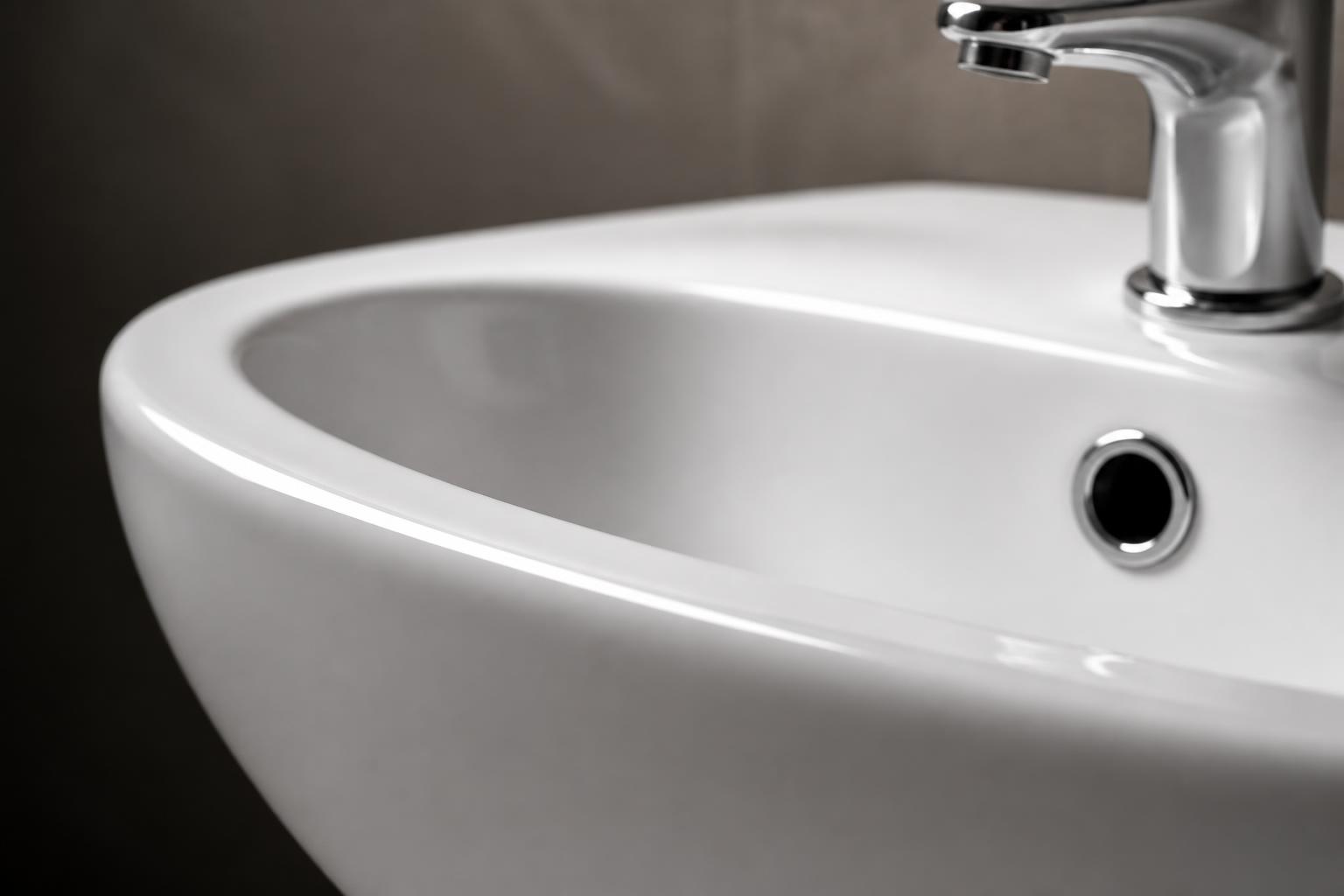
  • Baths, shower trays, sinks and sanitaryware
  • Doors, frames, cills, trims, panels and cabinetry
  • Single damaged areas found during snagging or handover

Damage

Typical damage we see

  • Dropped tools, pans, bottles or fittings
  • Furniture, trolley and delivery knocks
  • Cleaning and daily-use abrasion in high-traffic areas
  • Drill, fixing and appliance-change damage
  • Trade and transit damage on construction and fit-out sites
  • Isolated marks that stand out on an otherwise sound surface

Also known as

How customers describe this work

  • burn mark
  • cigarette burn
  • burnt worktop
  • scorch mark

Heat damage is part of this service as well as impact damage. A burn mark from a hot pan, a cigarette burn on a worktop or windowsill, a burnt worktop edge beside a hob and a scorch mark on laminate or a cabinet door are all repaired using the same colour-matched approach.

How well a burn repairs depends on its depth and the material underneath: surface scorching usually repairs well, while a burn that has gone through the decorative layer is assessed on its own merits, and replacement is recommended where that is the better result.

How it works

Our repair process

  1. 01

    Assessment

    You send a close photograph of the damage and a wider shot of the whole surface. We identify the material as far as photographs allow and confirm whether a localised repair is suitable.

  2. 02

    Preparation

    On site the surface is checked in daylight, the surrounding area is masked and protected, and loose or contaminated material is cut back to a sound edge.

  3. 03

    Repair

    Depending on the material and the damage, the area is filled, rebuilt in layers, dressed back or polished to restore the shape and line of the surface.

  4. 04

    Finish

    Colour, sheen and texture are matched to the surrounding surface as closely as the materials allow so the repair blends into its setting.

  5. 05

    Inspection

    The finished repair is checked with you in natural light, the work area is left clean, and we explain curing time and aftercare before normal use resumes.

Where we work

Settings we support

Homes & properties

  • Kitchens, bathrooms, doors and windows
  • Homes being prepared for sale or valuation
  • Letting and managed property between tenancies

Construction & development

  • Snagging lists covering mixed damage across plots
  • Trade, delivery and transit damage during fit-out
  • Show homes and marketing suites

Commercial premises

  • Hotels, care homes and student accommodation
  • Offices, receptions and retail interiors
  • Managed estates on planned maintenance

Where scratches, dents and chips appear

This is the general cosmetic damage service, covering surfaces that do not fall neatly under one heading: painted and lacquered finishes, laminate faces, uPVC, timber, panels and fitted furniture in the same property or on the same site.

Grouping the damage matters commercially. Ten small marks across a house or a floor of an office are usually better dealt with in one visit than as ten separate jobs, and that is how we prefer to quote them.

  • Scratches and scores across mixed surfaces in one property
  • Impact dents and knocks to painted and lacquered finishes
  • Chips to edges, corners and profiles
  • Snagging lists with many small items in different rooms

Assessment and on-site work

Because the surfaces vary, assessment is a sorting exercise: which marks can be polished out, which need filling and rebuilding, and which are not worth treating because they will be hidden or replaced anyway. We are direct about the last category.

On site the work runs as a list rather than a single repair. Each item is prepared, repaired and finished in turn, and we walk the list with you or the site manager at the end so everything agreed has been covered.

Repair or replacement

Repair is nearly always the better route for accumulated small damage, particularly before a sale, valuation, inspection, handover or end of tenancy, where the aim is a consistent overall standard rather than a rebuilt room.

Where a single item is badly damaged in several places at once, replacing that one item can be cheaper than repeated repairs. We flag those items rather than quietly adding them to the list.

Before you enquire

Photographs that help us quote

For mixed damage, a numbered list with a photograph for each item is by far the quickest route to a quotation.

  • One photograph per damaged item, numbered if you can
  • A room-by-room note of where each item is
  • The surface type for each item where you know it
  • The total number of items you want quoted
  • Any deadline such as a completion, inspection or check-out date

Honest advice

Suitability and limitations

Every surface is assessed before work is agreed. Where a repair is not the right long-term answer, we will say so.

  • Not every material can be repaired. Some surfaces, finishes and damage types are better replaced, and we will say so.
  • Damage caused by water ingress, movement or a failing substrate needs that cause addressing first.
  • Widespread wear across a whole surface is a refinishing or replacement decision rather than a localised repair.
  • High-gloss, mirrored and heavily patterned finishes are harder to match, and we will flag that before starting.
  • A repair is a close blend, not an invisible one.

Questions

Frequently asked questions

I do not know what my surface is made of. Can you still help?

Yes — that is exactly what this page is for. Send a close photograph of the damage and a wider shot of the surface, and we will identify it as far as possible and confirm whether a repair is suitable.

Which surfaces do you repair scratches and chips on?

A wide range of suitable hard surfaces, including worktops, baths, shower trays, sinks, tiles, uPVC frames and cills, doors, panels and cabinetry. Suitability is always assessed first.

Will the scratch or chip disappear completely?

No repair is invisible. We match colour, sheen and texture as closely as the materials allow so the damage becomes far less noticeable and the surface is sound to use again.

Can several small repairs be done in one visit?

Often, yes. Grouping damage into one visit is common in homes being sold, properties between tenancies and plots at snagging stage. Send photographs of everything you would like looked at.

Is there a minimum amount of work?

Every visit has to cover travel and time on site, so grouping several small repairs into one visit is usually better value than calling us out for a single mark. Send the full list and we will advise.

Can you work from a snagging list?

Yes, and it is our preferred format. A numbered list with photographs and locations lets us quote accurately and lets you check the work item by item when it is finished.

Coverage

Where we cover

We are based in Bolton and work across Greater Manchester and the North West, with wider coverage available for commercial work.

Office enquiries are answered Monday to Friday, 9:00am–3:00pm.

Surface Magic Repairs

Why Replace When You Can Repair?

Send photographs of the damage and we will advise on the most sensible route — repair where it is suitable, honest guidance where it is not.

Accreditations & Compliance

Supporting documentation and current scheme details are available on request for commercial clients and main contractors.

View accreditations & compliance
  • ISO 9001
  • CHAS Premier
  • SMAS Worksafe
  • SafeContractor Approved