
Can damaged cladding be repaired instead of replaced?
Frequently, yes — particularly where the damage is localised and the panel and its substrate are sound. It also avoids trying to match a panel that may no longer be available.
Internal & external panels
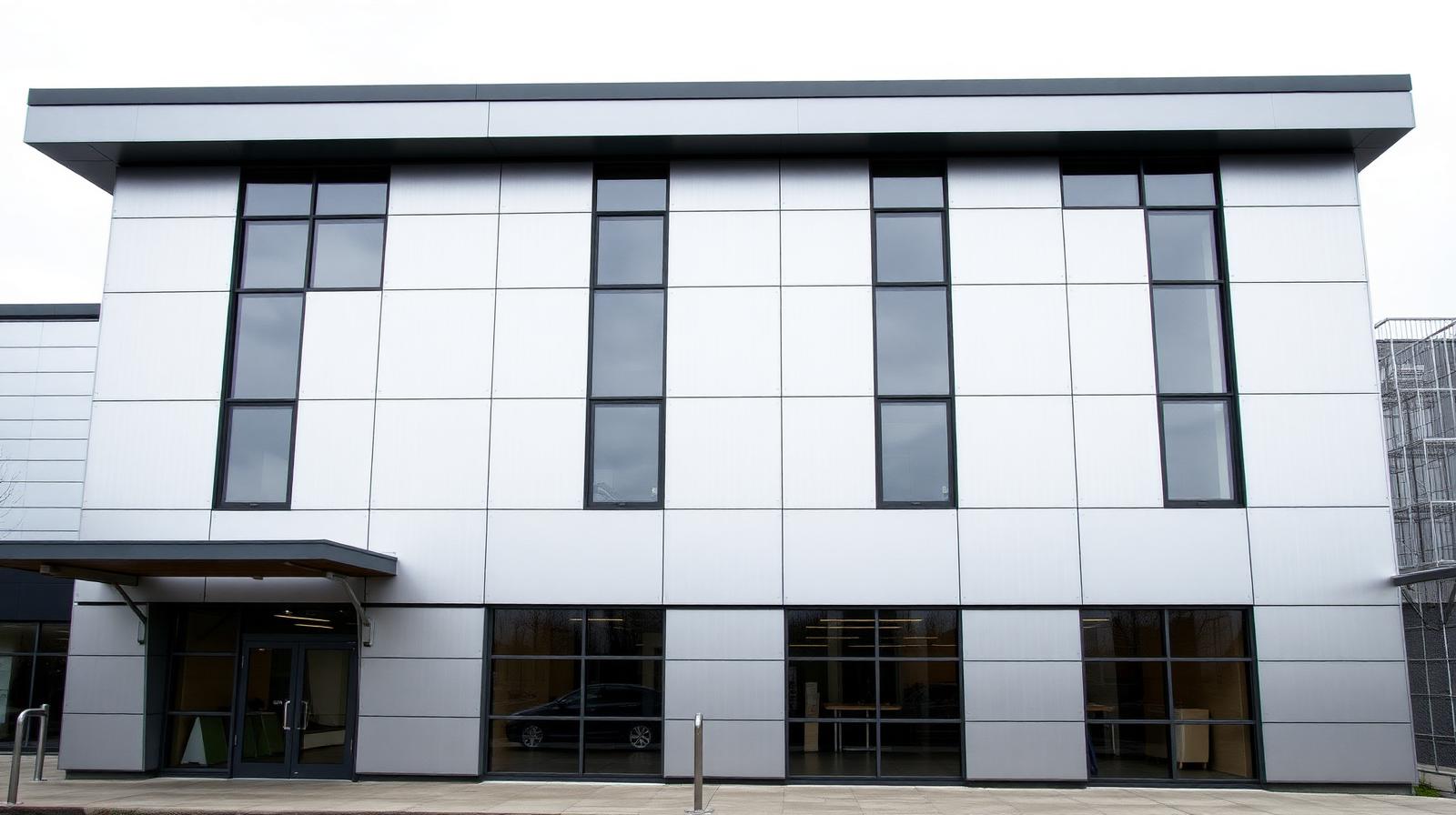
Cladding and panel damage is often confined to one or two boards, yet replacement can mean matching a discontinued panel and disturbing a large area of an otherwise sound elevation or wall. Where the panel and its finish are suitable, we repair and refinish in place.
Before any cladding or panel work is agreed we assess four things: the coating or finish, the substrate behind it, the access required, and how exposed the panel is to weather and traffic. Those four factors decide whether a repair is the right answer or whether replacement will serve the building better.
Scope
Damage
Also known as
This page covers panel damage of every kind: commercial cladding in corridors, lifts and service areas, and domestic bathroom panel, wet wall and shower panel systems. The point of a panel repair is that one damaged board does not force the replacement of a whole panel run.
Impact marks, gouges, scuffs and edge damage are colour-matched to the surrounding finish where the substrate is sound and the panel is still fixed correctly. Where a panel has failed structurally or water has got behind it, replacement of that board is the honest recommendation.
How it works
Photographs, panel type, location and access are reviewed. We look at the coating, the substrate, how the panel is fixed and how exposed it is before confirming suitability.
Access is agreed and set up, adjoining panels, glazing and ground surfaces are protected, and the damaged area is cleaned back to sound, stable material.
Damaged sections are rebuilt in layers and shaped back to the panel line, profile and edge detail.
Coating colour, sheen and texture are matched as closely as the materials and the existing weathered finish allow.
The repair is reviewed with you or the site team in daylight, the area is left clean, and we explain curing and any aftercare relevant to the location.
Where we work
Wall protection panels, hygienic cladding, laminate-faced panels, decorative wall panels and lift and lobby linings all pick up damage from trolleys, beds, wheelchairs, deliveries and general traffic. In healthcare, education and hospitality buildings this damage is constant and highly visible, because these are the surfaces people walk past all day.
Panel repair is cosmetic. Where cladding forms part of a hygiene, fire or building-fabric specification, the specification governs, and any repair has to respect it rather than override it.
We look at how the panel is fixed, whether the damage has gone through the face into the core, and whether the wall behind is dry. Panels in circulation routes also raise practical questions about working hours, barriers and keeping a route open, which we agree with the site team before attending.
Damaged areas are cut back, rebuilt and finished to sit with the surrounding panel colour and texture. Corridors are worked in sections so the building keeps functioning, and we tidy and hand back as we go rather than at the end of a long programme.
Repair is the sensible route when a small number of panels in a long run are damaged, when the panel range is discontinued, or when replacing a sheet means disturbing joints and trims across a whole wall.
Replacement wins where a panel is delaminating, where damage has broken through and the substrate is affected, or where a hygiene specification requires an unbroken sheet. We will say which applies rather than patching something that should be replaced.
Before you enquire
Panel work is usually quoted by area, damage type and access, all of which photographs show.
Honest advice
Every surface is assessed before work is agreed. Where a repair is not the right long-term answer, we will say so.
Questions
Frequently, yes — particularly where the damage is localised and the panel and its substrate are sound. It also avoids trying to match a panel that may no longer be available.
The coating or finish, the substrate behind the panel, the access needed and how exposed the panel is to weather and traffic. Those four factors decide whether a repair is appropriate.
No. We carry out cosmetic surface repair only. We do not design, certify or assess cladding systems or their performance.
Only where suitable and safe access is available and agreed in advance. Access requirements are discussed as part of the assessment.
Usually yes. Work is planned in sections with the area protected so a safe route stays available, and timings can be agreed around quieter periods where the building needs it.
That is a large part of this work. Where impact damage keeps recurring in the same place, we are happy to point out where wall protection would prevent a repeat, rather than repairing the same spot indefinitely.
Related
Coverage
We are based in Bolton and work across Greater Manchester and the North West, with wider coverage available for commercial work.
Office enquiries are answered Monday to Friday, 9:00am–3:00pm.
Helpful next steps
Surface Magic Repairs
Send photographs of the damage and we will advise on the most sensible route — repair where it is suitable, honest guidance where it is not.
Accreditations & Compliance
Supporting documentation and current scheme details are available on request for commercial clients and main contractors.
View accreditations & compliance