Quick Summary
For hallways, choosing long lasting paint finishes for hallways usually means picking a satin or durable eggshell rather than matt, because these can be wiped down more easily and tolerate scuffs and knocks better. Matt hides imperfections well but is harder to clean, so it suits lightly used or older walls best.
- Satin is the more durable and wipeable option for busy hallways.
- Matt hides small dents and uneven plaster well but cleans less easily.
- Eggshell offers a balanced middle ground and is often chosen for hallways.
- Check the manufacturer's data sheet for scrub ratings, not just the word washable.
- Apply two thin coats and avoid scrubbing until the paint has fully cured.
Table of Contents
- Why Hallways Need a Tougher Paint Finish Than Other Rooms
- How Paint Finishes Differ: Matt, Eggshell, Satin and Gloss
- Matt vs Satin Paint for Hallways: Which Holds Up Better
- Washable Paint for Hallways: What the Label Really Means
- Scratch and Scuff Resistance: What Affects Durability
- Room-by-Room Thinking: Where the Hallway Differs from Living Rooms
- Compatibility with Common Surfaces: Plaster, Lining Paper and Previously Painted Walls
- How to Prepare Hallway Walls for Painting
- How to Clean Painted Hallway Walls Without Damaging the Finish
- Coats, Drying Times and Application for Longer-Lasting Results
- Pets, Children and Household Wear: Choosing a Finish for Busy Homes
- Indoor Air Quality and Low-Odour Options for Hallways
- When Repair Is Better Than Repainting Damaged Hallway Surfaces
- Choosing Your Hallway Finish and Booking a Surface Assessment
- Frequently Asked Questions
Why Hallways Need a Tougher Paint Finish Than Other Rooms
Hallways take more punishment than almost any other room in a UK home. Shoes brush the skirting, bags and coats catch the walls, pushchairs and bicycles scrape past corners, and hands touch switches and doorframes many times a day. Choosing a long lasting paint finish for a hallway is one of the simplest ways to keep the space looking fresh for longer.
A useful way to think about the hallway is as a working surface rather than a decorative one. A finish that looks perfect on day one may show every scuff by the end of the first winter. The right choice depends on how much wear the walls face, how often they are cleaned and how much light the area receives.
How Paint Finishes Differ: Matt, Eggshell, Satin and Gloss
Paint finish, often called sheen, describes how much light a dried coat reflects. Matt reflects the least and hides surface imperfections well. Eggshell has a faint lustre, satin reflects more light again, and gloss is the most reflective and hardest to keep looking uniform.
Higher sheen generally means a harder, more wipeable surface, but it also reveals marks, roller lines and uneven walls more clearly. Matt finishes are more forgiving on older plaster but can be harder to clean without leaving a dull patch. Eggshell and satin sit between these two, which is why many people choose them for hallways.
The table below sets out how the main sheen levels compare for a hallway, based on the points covered above.
| Finish | Main characteristic | Hallway suitability |
|---|---|---|
| Matt | Reflects the least light | Hides imperfections; less wipeable |
| Eggshell | Faint lustre | Balanced; often chosen for hallways |
| Satin | Reflects more light | Most durable and wipeable of these |
| Gloss | Most reflective | Hardest to keep uniform; shows marks |
Matt vs Satin Paint for Hallways: Which Holds Up Better
When it comes to choosing long lasting paint finishes for hallways, satin is the more durable option, while matt is the more forgiving one. Satin can be wiped down more easily and tolerates the occasional scrub better than matt. Matt, however, hides small dents and uneven plaster well and tends to look more refined on period properties.
In a narrow, dark hallway or one used by children and pets, a satin or durable eggshell is often a sensible choice. If the walls are in good condition and the hallway sees light traffic, matt can look excellent. Whichever you pick, test a sample patch on a wall that gets the same daylight, because sheen looks very different at different times of day.
Washable Paint for Hallways: What the Label Really Means
Many tins describe themselves as washable, but the term is not standardised across manufacturers. Some are designed to withstand gentle wiping with a damp cloth, while others tolerate more vigorous cleaning. Always check the manufacturer's data sheet for the specific scrub or wipe performance rating rather than relying on the front-of-tin wording.
Washability is also affected by how well the paint has cured. Fresh paint needs time to harden before it is cleaned, so avoid scrubbing for the first few weeks. A washable finish applied in thin, even coats will generally outperform a thick coat applied quickly.
Scratch and Scuff Resistance: What Affects Durability
Scratch and scuff resistance are often used interchangeably, but they describe different types of damage. A scuff is a mark left on the surface, often from rubber, leather or plastic rubbing against the paint film. It usually sits on top of the coating and can be removed with gentle cleaning. A scratch is a physical cut or groove in the film, caused by a sharp or hard object such as a key, a zip or a piece of grit trapped under a shoe. Scratches penetrate the coating and may require touching up.
The ability of a paint to resist these two types of damage depends on its formulation. Paints with harder binders, such as those based on acrylic or polyurethane dispersions, tend to resist scratching better than softer, more flexible binders. However, harder films can be more brittle and may crack if the substrate moves. The balance between hardness and flexibility is a key trade-off in durable paint design.
Sheen level also plays a role. Higher-sheen finishes, such as satin and gloss, generally have a smoother surface that reduces the friction that causes scuffing. But their reflectivity makes any scratch or scuff more visible. Matt finishes have a rougher micro-texture that can trap dirt and make scuffs harder to remove, but they hide scratches better because the uneven surface scatters light.
When comparing products, look beyond the front-of-tin claims. Manufacturer data sheets often include scrub resistance ratings, typically expressed as a number of scrub cycles before the film fails. A higher number indicates better resistance to repeated cleaning, which is a good proxy for overall durability. Some sheets also report abrasion resistance using a Taber test, which measures how well the film resists wear from a rotating abrasive wheel. These figures are not standardised across all manufacturers, but they provide a useful relative comparison.
Surface preparation and application have a significant effect on scratch resistance. A poorly prepared surface, or one that is dusty or greasy, prevents the paint from bonding properly, leading to a film that can flake or scratch easily. Two thin, well-applied coats are more resistant than one thick coat because they cure more evenly and form a more uniform film. Allowing adequate drying time between coats is also important; rushing can trap solvent and weaken the final finish.
Everyday Causes of Wall Damage in Hallways
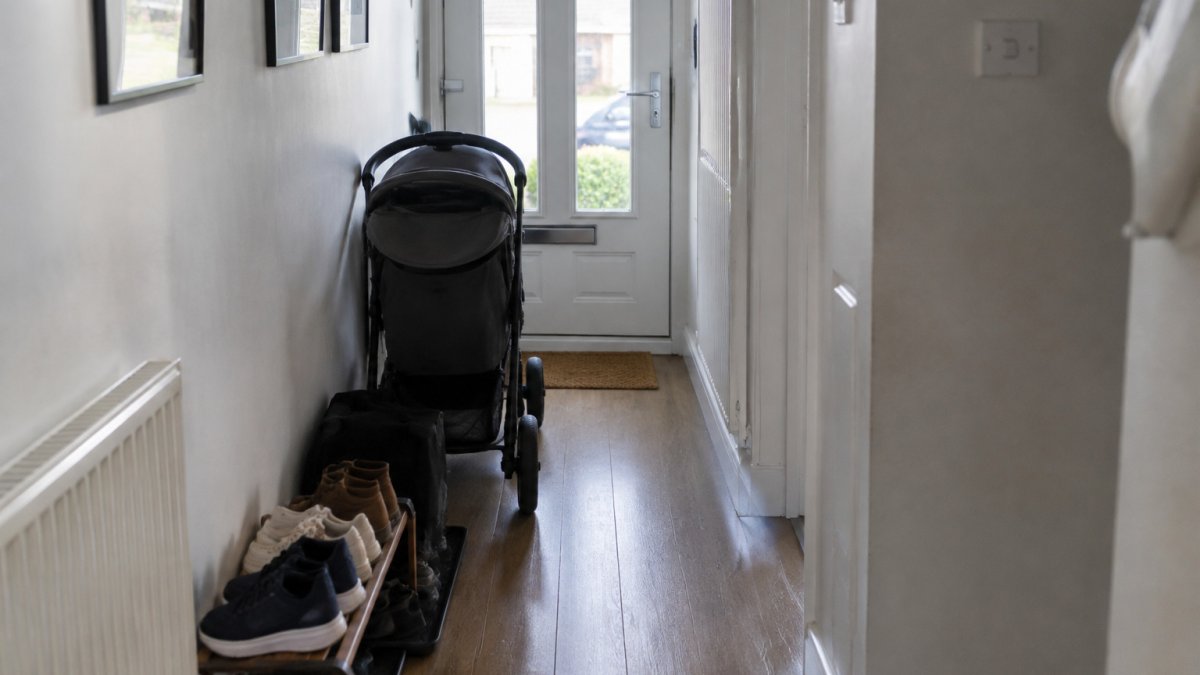
In most homes the same few things cause the bulk of hallway wall damage. Shoes and boots leave black scuffs at skirting height. Bags, coats and backpacks rub against the wall at shoulder height as people pass. Pushchairs, wheelchairs and bicycles can chip corners and edges, and door handles or letterboxes can leave marks on nearby paintwork. Pets add another dimension: claws can scratch lower walls, and wagging tails can leave marks. Children's toys, ride-on cars and bicycles also contribute.
Recognising these patterns lets you plan. Corner guards, a bench or hooks positioned away from walls, and a durable finish on the highest-traffic sections all reduce the chance of repeated damage. A washable, satin or eggshell finish on the lower third of the wall, where scuffs are most common, can make cleaning easier without sacrificing appearance on the upper walls.
Why Sheen Level Affects Visible Marks
Sheen affects how visible a mark is, not necessarily how much damage the paint has sustained. A scuff on a glossy wall catches the light and stands out, while the same scuff on matt may be almost invisible. This is why a higher-sheen finish can look like it marks more easily, even when the film is equally tough.
For this reason, many people choose a finish that is slightly less reflective than they would like, then rely on regular gentle cleaning to keep marks under control. In practice, a mid-sheen eggshell often provides the best compromise: it is wipeable enough for busy hallways but less reflective than satin, so marks are less obvious.
Watch out: if you choose a matt finish for its hiding power, check that it is a washable matt rather than a traditional matt, which can burnish or polish when rubbed and leave a permanent shiny patch.
Room-by-Room Thinking: Where the Hallway Differs from Living Rooms
A hallway is not simply a smaller living room. It usually has less natural light, more abrupt changes of direction and far more contact with the outside world. Coats, shoes and weather arrive here before they reach the rest of the house, so the finish has to cope with grit, damp and frequent handling.
Living rooms often benefit from softer, more decorative finishes because the walls are less exposed. Hallways reward durability first. Using the same finish throughout the house can work, but many households prefer a tougher satin or eggshell in the hallway, stairwell and landing, and a softer matt elsewhere.
Compatibility with Common Surfaces: Plaster, Lining Paper and Previously Painted Walls
The surface beneath the paint has a major influence on how well a finish performs, yet it is often overlooked. Different substrates require different preparation and priming to ensure the topcoat adheres properly and delivers the durability you expect. This section explains the key considerations for the most common hallway surfaces.
Newly Skimmed Plaster
New plaster is highly alkaline and absorbent. Applying a topcoat directly can cause the paint to dry unevenly, look patchy, or fail to bond. The standard approach is to seal the plaster with a mist coat: a diluted coat of emulsion, typically thinned according to the manufacturer's instructions, which penetrates and stabilises the surface. This should be allowed to dry fully before applying the finish coats. Some manufacturers offer specific new plaster sealers that also help to neutralise alkalinity. Rushing this stage is a common cause of premature peeling or flaking.
Lining Paper
Lining paper provides a smooth, consistent base that can improve the final appearance of the paint. However, it must be properly sealed before painting. A coat of primer or a mist coat of emulsion will prevent the paper from absorbing the topcoat unevenly and reduce the risk of the paper lifting at the edges. Use a good-quality lining paper and ensure it is fully dry before painting. In hallways, where humidity can fluctuate, sealing the paper also helps to protect it from moisture.
Previously Painted Walls
Walls that have been painted before are often the easiest to repaint, provided the existing coating is sound. The key is to assess the condition: is the old paint flaking, cracking or chalky? If so, it may need to be removed or stabilised before repainting. Glossy surfaces should be sanded to provide a key for the new paint. Chalky surfaces, often found with old distemper or some matt emulsions, need to be sealed with a stabilising primer to prevent the new paint from peeling.
When changing from oil-based to water-based paint, it is important to clean and sand the surface thoroughly, as water-based products may not adhere well to glossy oil-based finishes without a suitable primer. Check the manufacturer's recommendations for the specific product you intend to use.
Other Common Substrates
Hallways may also feature woodwork, such as skirting boards, door frames and stair balustrades. These are typically painted with gloss, satin or eggshell for durability. Preparation involves sanding, filling and priming bare wood, and using a suitable undercoat before the topcoat. Metal surfaces, such as radiators or door furniture, require a specialist metal primer to prevent rust and ensure adhesion.
For all substrates, the general principle is the same: clean, sound and appropriately primed surfaces give the best results. If you are unsure about compatibility, a small test patch in an inconspicuous area can reveal potential problems before you commit to the whole hallway.
Watch out: never apply a new paint over a surface that is damp or has rising damp, as the finish will fail regardless of its durability. Address any underlying moisture issues first.
How to Prepare Hallway Walls for Painting
Good preparation matters more than the choice of tin. Start by removing picture hooks, switch plates and any loose fittings. Fill cracks and holes with a suitable filler, let it dry completely and sand it smooth. Wipe the walls with a damp cloth to remove dust and grease, particularly around light switches and the lower skirting zone where hands and shoes make contact.
Protect floors, skirting and the stair treads with dust sheets, and use masking tape on the edges where you need crisp lines. Preparation takes time but it determines whether the finished wall looks professional and holds up to the daily wear the hallway receives.
How to Clean Painted Hallway Walls Without Damaging the Finish
Cleaning a painted hallway wall is most effective when you act gently and early. Start with a soft cloth or sponge dampened in lukewarm water with a small amount of mild washing-up liquid. Work in small sections, wiping from the bottom of the mark upwards to avoid streaks, and dry the area straight away.
Avoid abrasive pads, harsh scouring powders and strong solvent cleaners, as these can dull or remove the finish. If a mark persists, test a discreet area first and give the paint time to cure before scrubbing again. Regular light cleaning usually keeps a wall looking better than occasional heavy scrubbing.
Coats, Drying Times and Application for Longer-Lasting Results
Two thin coats almost always outperform one thick coat. Thin coats dry more evenly, cure harder and show fewer lap marks. Follow the drying times printed on the tin, remembering that cooler, damp conditions can extend them considerably.
Work in consistent directions, keep a wet edge to avoid visible joins, and use a good-quality roller for the main areas and a brush for edges. Allow the paint to cure fully before cleaning or placing heavy items against it. Rushing this stage is one of the most common reasons a durable finish fails to deliver.
Pets, Children and Household Wear: Choosing a Finish for Busy Homes
Busy households with children and pets need a finish that tolerates frequent contact. Children tend to lean against walls, touch them with sticky hands and mark them at low level, while pets brush past and can leave hair, paw prints and occasional scratches.
For these homes a satin or durable eggshell on the lower walls and in the hallway, with corner protectors and a wipeable finish on the most exposed sections, is often a practical approach. Keeping a small pot of matching paint for quick touch-ups can make repairs far less noticeable than waiting until a large area needs redecorating.
Indoor Air Quality and Low-Odour Options for Hallways
Paint can release volatile organic compounds as it dries, which can affect indoor air quality and cause odour. Water-based paints generally have lower levels than traditional solvent-based products, and many manufacturers now publish low-odour or low-VOC options. Check the product data sheet for these details rather than relying on marketing terms.
Good ventilation during and after painting helps, as does allowing a hallway to air out before it is used heavily. If anyone in the household has respiratory sensitivities, it is worth discussing product choice with the paint supplier before you start.
When Repair Is Better Than Repainting Damaged Hallway Surfaces
Not every damaged wall needs a complete repaint. A small chip, scrape or localised scuff can often be repaired in place, while repainting the whole hallway may be unnecessary and wasteful. The decision depends on how widespread the damage is, whether the colour can be matched and how the surrounding finish looks.
Repair is usually the better choice when damage is limited to a few spots, the original paint is in good condition and the colour can be reproduced accurately. For chips, scratches and impact marks on finished floors, flooring surface repairs can be carried out in place. Repainting the whole area makes more sense when the finish is worn across large sections, the colour has faded or the walls need wider preparation. For damage to other surfaces in the home, such as the sill, frame or worktop, a professional surface repair can often restore the appearance without full replacement. Surface Magic Repairs carries out in situ repairs on a range of finished surfaces, and the team will advise honestly on whether repair or replacement is more suitable for the damage you have.
Choosing Your Hallway Finish and Booking a Surface Assessment
The best hallway finish balances appearance, cleanability and durability for how your household actually lives. For most homes, a satin or durable eggshell in the hallway, combined with careful preparation and thin, even coats, offers the strongest all-round result. Keep a tin of matching paint, clean gently and address damage early.
If you have damaged surfaces that paint alone will not fix, such as chipped baths, scratched worktops or damaged uPVC, Surface Magic Repairs can assess whether an in situ repair is suitable. Send clear photographs of the damage, the complete item and the surrounding area, together with your full address and postcode, and the team can advise whether a repair is practical and provide a quotation. You can also call 0800 085 7773 or visit surfacemagicrepairs.co.uk.
Frequently Asked Questions
What is the most durable paint finish for a hallway?
For most hallways, a durable satin or eggshell finish is the practical choice. These sheens sit between matt and gloss: they tolerate wiping and light scuffs better than matt paint, while remaining less shiny than gloss. Gloss is very durable but shows wall imperfections clearly. Washable and scrubbable emulsions in a satin or eggshell sheen are often the best balance of cleanability and appearance for busy entrance spaces, though the specific product's labelling and test information should always be checked before purchase.
Is matt or satin paint better for hallway walls?
Satin is usually better for hallway walls because it is easier to clean. Matt paint has a flat, low-sheen surface that hides minor wall imperfections well, which is useful in rooms with uneven plaster. However, matt finishes are more easily marked by scuffs and can show a patch where it has been cleaned aggressively. Many people choose matt for ceilings and satin for walls in circulation spaces, as this combines good coverage with easier maintenance.
How can I make hallway paint last longer?
Start with proper preparation: clean, dry, sound walls and a suitable primer where needed. Apply two even coats, allowing the recommended drying time between them. Keep a low-pressure cleaning routine using a soft cloth and mild cleaner rather than abrasive products, and address scuffs promptly before they set. Protect high-contact points such as door frames and banisters with guards or corner protectors. Good preparation and gentle cleaning do more for longevity than the choice of finish alone.
Do hallways need washable paint?
Hallways benefit from paint labelled washable or scrubbable because they collect hand marks, scuffs and dirt from shoes, bags and pushchairs. Washable paint is not indestructible, however, and very aggressive scrubbing can dull or remove the finish. Check the manufacturer's stated cleaning information and test any cleaner on a small hidden area first. Where damage has already occurred, professional cosmetic repair may be more suitable than repainting the entire wall.