Table of Contents
- Common Causes of Hotel Bathtub Damage
- Guest Misuse and Accidental Impact
- Cleaning Chemicals and Product Damage
- How to Prevent Bathtub Surface Damage
- Bathtub Chip Repair Cost and Timing
- Signs of Bathtub Structural Failure
- Maintenance Planning Between Guest Stays
- Frequently Asked Questions
Last Updated: September 2, 2026
Common Causes of Hotel Bathtub Damage
Hotel bathtub damage is one of the most frequent maintenance issues facilities managers face, yet many causes are entirely preventable. Understanding what damages bathtubs is essential for keeping rooms operational and guest satisfaction high.
Guest misuse, chemical reactions, structural wear, and poor maintenance practices all create chips, cracks, stains, and surface deterioration. What separates properties with minimal damage from those facing constant repairs comes down to prevention, early detection, and knowing which damage can be repaired in place versus what signals structural failure requiring replacement.
Guest Misuse and Accidental Impact
Guest misuse is the single largest cause of bathtub damage in hospitality settings. This isn't about negligence, it's about how guests interact with fixtures under pressure, fatigue, or unfamiliarity.
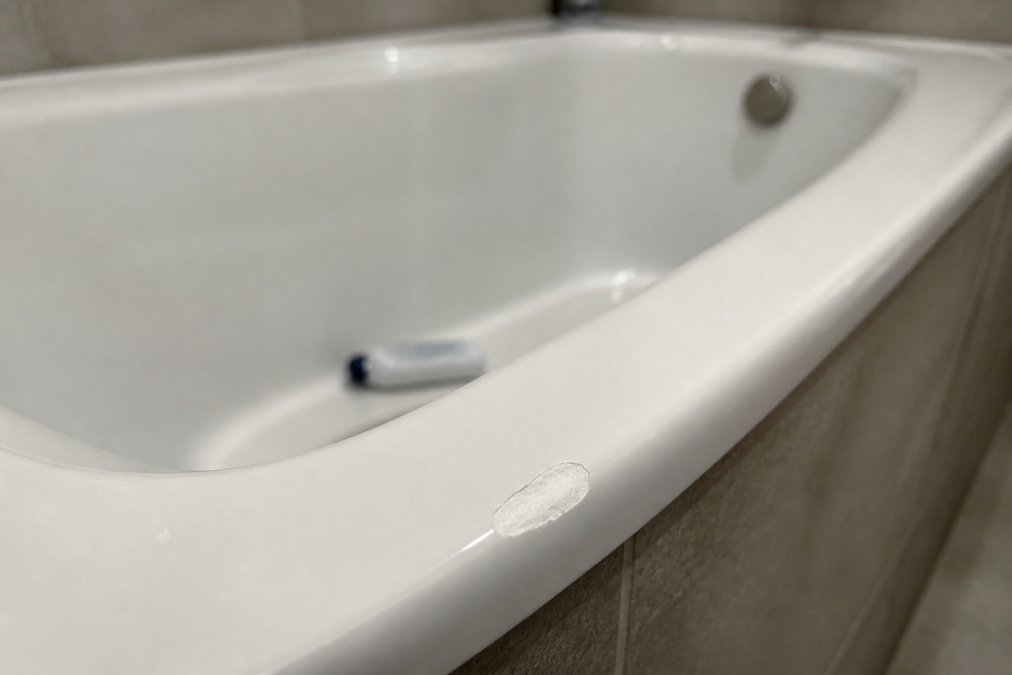
The most common impact damage occurs when guests drop heavy items into the tub: shampoo bottles, hairdryers, luggage corners, or bathroom scales. Acrylic bathtubs are particularly vulnerable because they're softer than ceramic or cast iron (peer-reviewed research). A single dropped object can create a chip or crack that spreads over time if left unrepaired, with water seeping into the substrate and causing structural problems within weeks.
Standing on the tub edge is another frequent cause. Guests do this to reach high shelves or clean windows, often without considering weight distribution or slip risk. Over time, concentrated pressure can crack the rim or cause stress fractures that weaken the entire structure.
Prevention relies on clear signage, laminated cards explaining proper bathtub care, non-slip mats to discourage standing on edges, and secure storage for guest toiletries. Staff should conduct swift damage assessments during turnover to catch new damage before it spreads.
Cleaning Chemicals and Product Damage
Chemical damage is subtle but relentless. Many standard bathroom cleaners are too aggressive for bathtub surfaces, yet they're widely used because they're effective against soap scum and mildew.
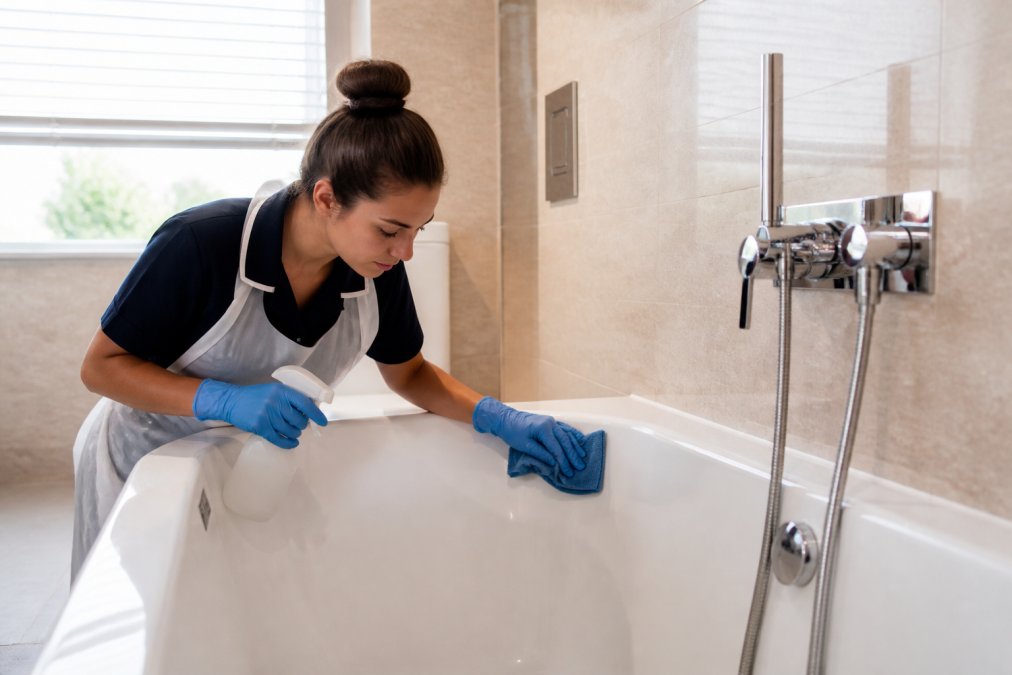
Bleach-based cleaners work quickly on stains and disinfect effectively, but bleach can strip the protective gloss finish from acrylic and fibreglass bathtubs, leaving them dull, porous, and vulnerable to staining and cracking (the CDC). Repeated exposure weakens the surface and causes yellowing or white clouding.
Acidic cleaners remove hard water deposits and limescale but can etch the bathtub surface, creating rough texture that traps dirt and compromises the waterproof seal, allowing moisture to penetrate the substrate.
Abrasive scrubbing pads and scouring powders cause visible scratches and wear patterns. Over months, this creates dull appearance and opens micro-cracks where bacteria and mould take hold.
Bleach left sitting in the tub overnight can cause permanent discolouration and material weakening. Similarly, nail polish remover and paint thinner can dissolve or soften acrylic and fibreglass.
The solution is a documented cleaning protocol specifying approved products and methods. Mild, pH-neutral cleaners designed for bathtubs should be standard. Microfibre cloths should replace abrasive pads. Staff training on proper dilution ratios, contact time, and rinsing is essential.
How to Prevent Bathtub Surface Damage
Preventing bathtub surface damage requires guest communication, staff training, and proactive maintenance.
Establish a clear cleaning protocol. Document approved products, correct dilution ratios, and specific steps staff should follow. Include guidance on contact time and ensure thorough rinsing to remove all residue.
Provide non-slip mats and grab bars. These reduce guests standing on the tub edge or slipping, preventing both impact damage and structural stress. Ensure grab bars are securely installed and checked regularly.
Use protective barriers during turnover. Placing cardboard or plastic sheeting in the tub during deep cleaning prevents dropped tools from damaging the surface.
Train staff on bathtub-specific care. Many cleaners don't realise they're using wrong products or techniques. Brief training on approved cleaners, proper scrubbing methods, and what to avoid significantly reduces damage.
Inspect bathtubs during every turnover. Check for new chips, cracks, stains, or discolouration before guests arrive. Early detection allows minor issues to be addressed quickly.
Stock gentle cleaning alternatives. Keep mild, pH-neutral bathtub cleaners on hand as the default option.
Post guest information cards. Include guidance on proper bathtub use and how to report damage. Most guests will respect these guidelines if presented clearly.
These preventative measures reduce damage frequency and extend time between major repairs or replacements.
Bathtub Chip Repair Cost and Timing
Understanding cost implications helps prioritise repairs and budget effectively. Expense depends on damage type, material, and whether you choose repair or replacement.
Cosmetic damage, chips, small cracks, surface stains, and minor discolouration, can often be repaired in place without removing the bathtub. These repairs typically take a few hours and allow the room to return to service the same day or within 24 hours. In-situ repair is substantially cheaper than replacement because there's no need for strip-out, plumbing work, or reinstallation.
Surface Magic Repairs specialises in cosmetic bathtub repairs using colour-matched filling, texturing, and refinishing techniques. This approach keeps the existing bathtub intact, minimises room downtime, and avoids the disruption and expense of full replacement.
Replacement bathtubs require removing the existing unit, disconnecting plumbing, removing tiles or surrounding finishes, and installing and finishing the new tub. This process typically takes several days and may require additional work like regrouting tiles or repainting walls. The room remains out of service throughout, affecting revenue.
Timing matters enormously. A small chip that could be repaired in hours becomes expensive if left unaddressed and grows into a crack requiring replacement. For properties managing multiple units, batching repairs reduces per-repair costs and scheduling complexity.
Signs of Bathtub Structural Failure
Not all bathtub damage is cosmetic. Some warning signs indicate structural failure requiring replacement.
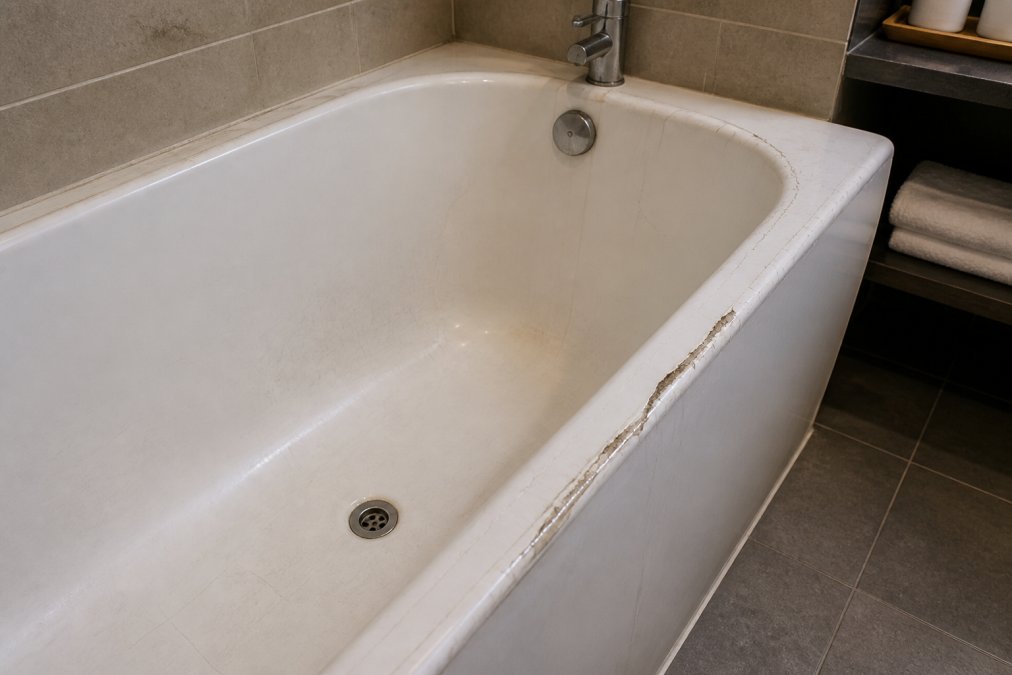
Stress cracks are the most serious warning sign. These radiate outward from a point of impact, forming a web-like pattern. Unlike surface chips, stress cracks extend through the material and compromise structural integrity. They continue to spread as the bathtub flexes under weight and water pressure, eventually causing leaks.
Soft spots or flexing indicate the substrate beneath the surface has deteriorated, usually due to water infiltration. If the bathtub feels spongy or bounces slightly when pressed, the underlying support structure has likely absorbed water and begun to rot or delaminate.
Persistent leaks that don't respond to re-sealing suggest cracks or structural failure allowing water to escape. Leaks often appear as water stains on ceilings or walls below.
Rust stains or discolouration that won't clean can indicate rust developing beneath the surface, particularly in cast iron or steel bathtubs, suggesting the protective coating has failed.
Visible gaps between the bathtub and surrounding walls or tiles indicate the tub has shifted or settled unevenly, often due to substrate failure.
Persistent mould or mildew that returns quickly after cleaning can signal moisture problems caused by leaks.
When observing these signs, a structural assessment is necessary. Minor cosmetic damage can be repaired in place, but structural failure requires replacement.
Maintenance Planning Between Guest Stays
Effective maintenance planning between guest stays is where most damage prevention happens. The turnover period is critical for catching and addressing damage before it affects the next guest.
Implement a standardised inspection checklist. Every staff member should follow the same checklist, including a specific section for bathtub condition. This ensures consistent assessment.
Document damage with photos. When new damage is discovered, photograph it and log it in your maintenance system. This creates a record and helps identify patterns.
Schedule repairs promptly. Cosmetic chips and small cracks should be addressed within one or two turnovers to prevent spreading. Larger damage should be assessed by a specialist immediately.
Batch repairs efficiently. Collect a list of repairs needed across multiple rooms and schedule one visit to address them all, reducing costs and disruption.
Plan preventative maintenance. Schedule regular bathtub cleaning and inspection, including professional deep cleaning to remove hard water deposits and assessment of caulking and seals.
Communicate with housekeeping. Ensure cleaning staff understand which products and techniques are safe for your bathtub materials and can recognise early damage signs.
Track repair frequency and costs. Data on which rooms require most repairs and what types are most common can inform decisions about targeted upgrades.
Proactive maintenance between guest stays catches small problems before they become major ones, keeps rooms in service longer, and reduces overall repair costs.
Hotel bathtub damage is manageable when you understand its causes and address it systematically. Most damage results from preventable factors: aggressive cleaning products, guest misuse, and delayed repairs. By establishing clear cleaning protocols, training staff, conducting regular inspections, and addressing damage promptly, you can significantly reduce repair frequency and keep rooms operational.
When cosmetic damage occurs, Surface Magic Repairs can restore your bathtubs in place without the cost and disruption of full replacement. Our specialist team uses colour-matched filling, texturing, and refinishing techniques to repair bathtubs to their original appearance whilst keeping your rooms in service. Learn more about minimising guest room downtime and how in-situ repairs compare to replacement costs. For properties managing multiple units or snagging lists, we schedule efficient multi-room visits that address several damaged surfaces in one visit, reducing overall costs and coordination complexity.
GET AN INSTANT QUOTE
=== FAQ ANSWERS (audit these too, same rules) ===
Frequently Asked Questions
Q: What are the most common types of damage to hotel bathtubs?
A: Hotel bathtubs typically suffer chips, scratches, cracks, discolouration and burn marks. Chips and scratches result from guest use, dropped objects or cleaning impacts. Cracks develop from thermal stress or structural wear. Discolouration occurs from hard water deposits, rust staining or chemical reactions. Burn marks appear from cigarettes or hot implements left on the surface. Cosmetic damage affects appearance and usability but differs from structural failure, which compromises the tub's integrity and waterproofing.
Q: Is it cost-effective to repair hotel bathtub chips instead of replacing them?
A: Repairing bathtub chips costs significantly less than full replacement and avoids room downtime. Replacement requires strip-out, disposal, installation and associated decorating work, disrupting guest operations for days. In-situ cosmetic repair takes hours, not days, and restores appearance and function without removing the fixture. For hotels managing multiple properties or frequent damage, repair extends asset life cost-effectively whilst maintaining occupancy rates.
Q: How can harsh cleaning chemicals damage bathtub surfaces?
A: Strong abrasive cleaners, bleach-based products and acidic solutions erode acrylic and composite finishes, causing discolouration, dulling and micro-scratches. Repeated exposure weakens the surface, making it more vulnerable to chips and cracks. Certain chemicals react with material pigments, creating permanent staining. Using pH-neutral, non-abrasive cleaners and soft cloths prevents chemical damage whilst maintaining cleanliness and hygiene standards.
Q: What is the difference between cosmetic damage and structural bathtub failure?
A: Cosmetic damage, chips, scratches, discolouration, affects appearance but not function or waterproofing. Structural failure involves cracks that penetrate the full thickness, allowing water to seep behind the tub, causing mould, rot and damage to building fabric. Structural failure requires replacement; cosmetic damage can be repaired in place. Regular inspection catches structural issues early, preventing costly water damage to walls, floors and supporting structures.
This article was written using GrandRanker