Table of Contents
- Laminate vs Solid Wood Worktops: Key Differences
- Laminate Worktops: Strengths and Weaknesses
- Solid Wood Worktops: Strengths and Weaknesses
- Cost of Replacing Kitchen Worktops in the UK
- Durability and Longevity Comparison
- Which Worktop Material Should You Choose?
- Frequently Asked Questions
Last Updated: August 31, 2026
Laminate vs Solid Wood Worktops: Key Differences
When you're choosing a kitchen worktop, the material you select defines how your space looks, feels, and functions for years to come. The decision between laminate and solid wood worktops isn't just about aesthetics, it shapes your maintenance routine, your budget, and how the surface performs under daily use. Both materials have genuine strengths, and both have real limitations that matter.
Laminate worktops use layers of resin-soaked paper bonded to a particleboard base, topped with a printed design and protective coating. Solid wood worktops are cut from timber, typically oak, walnut, or other hardwoods, and finished with oil or varnish. The difference in construction creates fundamentally different performance profiles.
Understanding these distinctions helps you make a choice that actually fits your kitchen, your habits, and your long-term plans. This guide from Surface Magic Repairs covers the practical realities of both materials, including what happens when damage occurs and how each surface responds to repair.
Laminate Worktops: Strengths and Weaknesses
Laminate offers reliable durability for busy kitchens at a price point that makes sense for most households. The material resists moisture, staining, and heat better than solid wood, and it requires minimal maintenance to keep looking good.
Strengths of laminate worktops:
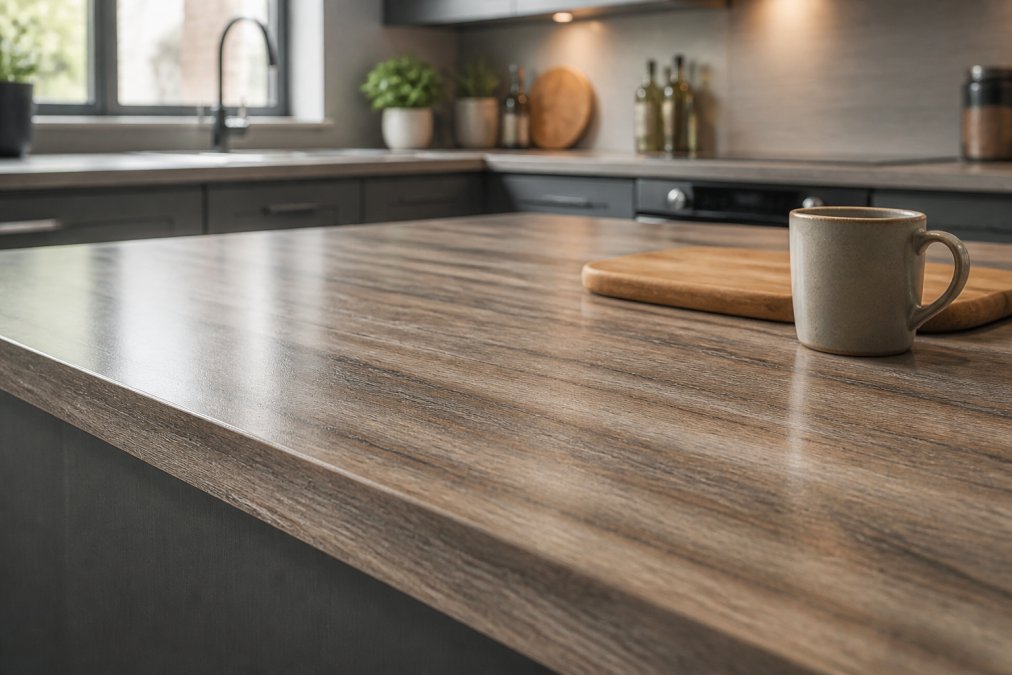
Laminate is exceptionally practical for high-traffic kitchens. The protective top layer resists scratches, stains, and heat far more effectively than wood. You can place a hot pan directly on the surface without worry. Spills wipe away easily, there's no need to oil or seal the surface regularly. The material comes in hundreds of designs, from realistic wood grains to stone effects, so you get aesthetic choice without the maintenance burden of genuine materials.
Installation is straightforward and cost-effective. Laminate worktops are lighter than solid wood, easier to cut and fit, and don't require specialist sealing before use. The initial expense sits well below solid wood, making it accessible for budget-conscious renovations.
Weaknesses of laminate worktops:
The core limitation is repairability. Once the top layer is damaged, scratched, burned, or chipped, the damage is permanent. Unlike wood, you cannot sand back and refinish a laminate surface. Deep scratches expose the particleboard underneath, which absorbs moisture and deteriorates. Burn marks cannot be removed. This means cosmetic damage, however small, remains visible indefinitely.
Laminate is also vulnerable to moisture at the edges and seams. Water that penetrates the joints causes the particleboard core to swell and delaminate. This is why worktop edges and the area around sinks require careful sealing and maintenance. Prolonged water exposure, from a leaking tap or poor installation, can render a section unusable.
The surface can also feel less premium than solid wood. Whilst high-end laminates mimic natural materials convincingly, they lack the tactile warmth and individual character of genuine timber.
How to Repair Scratched Laminate Worktops
Minor scratches in laminate can be addressed, but the results depend on the depth and visibility of the damage. Surface-level scratches, those that catch your fingernail but don't expose the core, can sometimes be minimised using colour-matched repair compounds or specialist laminate fillers. These products work best on darker finishes where the repair is less visible.
Deeper scratches that expose the particleboard core present a different challenge. The damaged area will continue to absorb moisture and expand, making a permanent repair difficult. For these cases, replacement of the affected section is typically the most reliable long-term solution.
A common mistake is attempting DIY repairs with standard wood fillers or paint. These don't bond properly to laminate and often shrink or discolour over time. If you're considering a repair, professional assessment is worthwhile, specialists can evaluate whether a scratch can be improved or whether replacement is the better option. Surface Magic Repairs assesses laminate damage on-site and advises whether a repair is realistic or if replacement is more practical.
Solid Wood Worktops: Strengths and Weaknesses
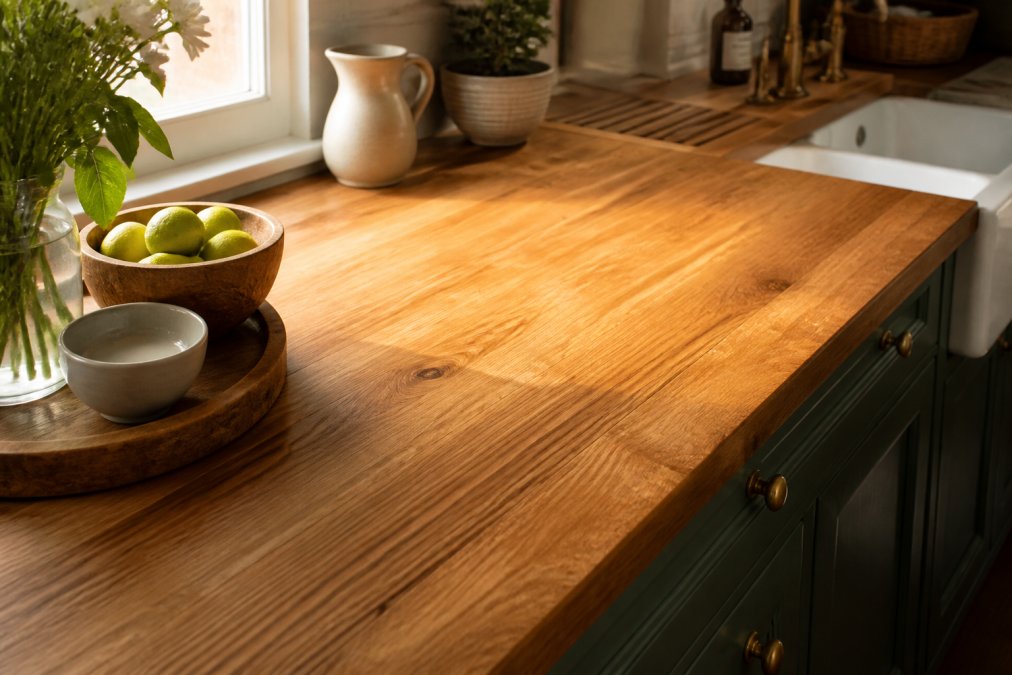
Solid wood brings warmth, character, and natural beauty to a kitchen. Each worktop is unique, with its own grain pattern and colour variation. Over time, the wood develops a patina that many homeowners find increasingly attractive.
Strengths of solid wood worktops:
The primary advantage of solid wood is its ability to be restored. Scratches, dents, and surface damage can be sanded back and refinished, restoring the worktop to near-original condition. This repairability extends the useful life significantly, a damaged wood worktop isn't necessarily destined for replacement.
Wood has aesthetic qualities that laminate cannot replicate. The grain is genuine, the colour depth is real, and the surface feels warm to the touch. For homeowners who value natural materials and don't mind the maintenance that comes with them, solid wood delivers a kitchen that genuinely improves with age.
Installation of solid wood can be more straightforward than some assume. Unlike stone, wood doesn't require specialist fixings or reinforced cabinetry. It cuts and fits similarly to laminate, though it does need finishing after installation.
Weaknesses of solid wood worktops:
Solid wood demands active maintenance. The material is porous and absorbs moisture, which causes swelling, warping, and eventually rot if left unprotected. Regular oiling, typically every 3 to 6 months, is essential to maintain the protective finish and keep moisture out. Skip this maintenance, and the wood deteriorates quickly.
The surface is also softer than laminate, making it prone to dents and scratches. A dropped pan, a sharp knife, or even a heavy pot can leave a mark. Whilst these marks can be sanded out, the process requires time and disrupts your kitchen.
Heat damage is another consideration. Placing a hot pan directly on wood can leave burn marks that won't sand out without removing surface thickness. Spills must be wiped immediately, standing water stains the wood and can cause permanent discolouration.
Solid wood is also more expensive than laminate, both for the initial purchase and for the professional finishing often required after installation.
Solid Wood Worktop Maintenance Tips
Regular oiling is the cornerstone of solid wood care. Use a food-safe mineral oil or specialist worktop oil, applying it with a soft cloth every 3 to 6 months. This replenishes the protective layer and keeps the wood hydrated. The frequency depends on your climate, drier environments may need more frequent oiling.
Wipe spills immediately. Water, wine, and acidic liquids stain wood if left to sit. Keep a cloth nearby for quick clean-up, particularly around the sink and hob areas.
Avoid placing hot pans directly on the surface. Use trivets or heat-resistant mats to protect the wood. This simple habit prevents burn marks and extends the life of the finish significantly.
Don't use abrasive cleaners or bleach on solid wood. These damage the protective oil layer and can bleach or stain the timber. Warm soapy water is sufficient for everyday cleaning. For stubborn marks, a specialist wood cleaner designed for worktops is safer than generic household products.
Sand and refinish the worktop every few years if it receives heavy use. This removes minor damage and renews the protective finish. It's a straightforward process for a professional but can be labour-intensive if attempted without experience.
Cost of Replacing Kitchen Worktops in the UK
The cost of replacing kitchen worktops varies significantly based on material, size, and complexity of the installation. Laminate worktops typically cost less upfront than solid wood, though the price difference isn't always as large as people assume once you factor in installation and finishing.
Laminate pricing depends on the design and quality. Basic laminates are the most affordable option, whilst premium finishes that replicate natural stone or high-end wood effects cost more. Installation is generally straightforward, so labour costs remain moderate.
Solid wood worktops command a higher initial investment. The timber itself is more expensive than laminate, and professional finishing after installation adds cost. Bespoke sizing and edge profiling increase the price further.
Beyond material cost, consider the cost of removal and disposal of the old worktop, any necessary structural work to the cabinetry, and finishing work such as splashbacks or upstands. For a full kitchen replacement, these ancillary costs often exceed the cost of the worktop material itself.
When damage occurs, the cost calculus changes. A laminate worktop with deep scratches or delamination typically requires full replacement, the damaged section cannot be repaired invisibly. A solid wood worktop with similar damage can often be sanded and refinished at a fraction of the replacement cost. This is where the long-term economics favour wood for some households, particularly if you plan to stay in your home for many years.
Surface Magic Repairs offers an alternative to replacement for many types of worktop damage. Cosmetic repairs to scratches, burns, and stains can restore the appearance and usability of a damaged surface without the cost and disruption of full replacement. This approach is particularly valuable for laminate worktops, where replacement would otherwise be the only option.
Durability and Longevity Comparison
Laminate and solid wood have different durability profiles, and the right choice depends on how you use your kitchen.
Laminate is durable in the sense that it resists damage from heat, moisture, and staining. The top surface is genuinely tough. However, once that surface is breached, the material deteriorates quickly. A laminate worktop can last 10 to 15 years with good care, but it cannot be rejuvenated once significant damage occurs. At that point, replacement is the only practical option.
Solid wood is less durable in terms of resistance to immediate damage, it scratches and dents more easily. However, the material is genuinely repairable. A solid wood worktop can last 20, 30, or even 40 years if maintained properly according to a study on wood longevity. Each time it's sanded and refinished, it's essentially renewed. This repairability is the key difference in longevity.
The choice between them hinges on your priorities. If you want a worktop that resists visible damage and requires minimal maintenance, laminate is the practical choice. If you value the ability to restore and refresh your worktop over decades, and you're willing to invest in regular maintenance, solid wood offers better long-term value.
Environmental impact also differs. Laminate is a composite material that cannot be recycled easily and ends up in landfill at end of life. Solid wood is biodegradable and can be repurposed. For environmentally conscious homeowners, this is another point in wood's favour, though it must be weighed against the sustainability of the timber source.
Which Worktop Material Should You Choose?
The right choice depends on three factors: your lifestyle, your budget, and your long-term plans for the kitchen.
Choose laminate if: You want low-maintenance durability, you're on a tight budget, you prefer minimal ongoing care, or you plan to stay in your home for fewer than 10 years. Laminate is the practical choice for busy families and rental properties where simplicity and cost-effectiveness matter most.
Choose solid wood if: You value natural materials and aesthetic character, you're prepared to maintain the surface regularly, you plan to stay in your home long-term, or you appreciate the idea of a worktop that improves with age. Wood is the choice for those who see kitchen maintenance as part of home ownership rather than a burden.
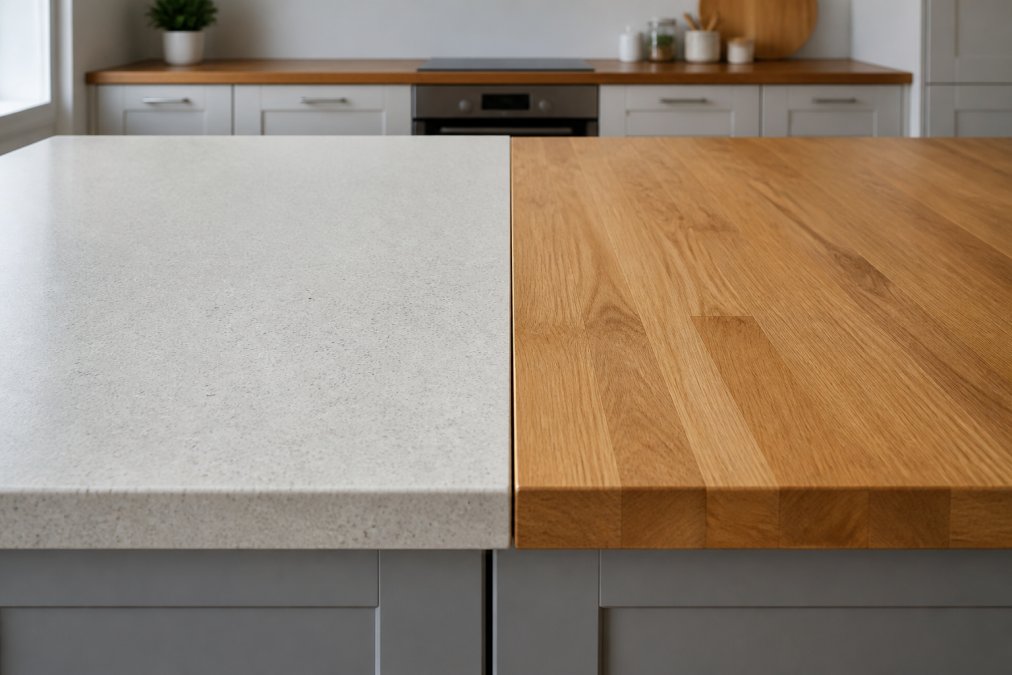
The middle ground exists too. Some homeowners choose laminate for high-use areas like the main food preparation zone and solid wood for secondary surfaces or islands. This balances practicality with the warmth of natural materials.
When damage does occur, and it will, eventually, the options differ. Laminate damage is typically permanent, leaving you with replacement as the main solution. Solid wood damage can often be repaired by sanding and refinishing. For worktops that receive heavy use or that you plan to keep for many years, this repairability adds significant value.
Professional assessment is worthwhile if you're uncertain. Surface Magic Repairs evaluates worktop damage on-site and advises whether repair or replacement is the better path forward. For laminate with minor surface scratches, specialist repair techniques can sometimes improve the appearance. For deeper damage or delamination, replacement is usually the more practical choice. For solid wood, sanding and refinishing is often viable even for significant damage, restoring the surface at a fraction of replacement cost.
Choosing between laminate and solid wood worktops shapes your kitchen experience for years. Laminate delivers durability and simplicity; solid wood offers character and longevity. When damage occurs, the material you've chosen determines your options. Surface Magic Repairs handles cosmetic repairs to both laminate and solid wood worktops, assessing damage honestly and recommending whether repair or replacement makes practical sense. Get an instant quote to understand your options for a damaged worktop, or contact the team for advice on material choice for a new kitchen.
| Material | Durability | Maintenance | Repairability | Cost | Best For |
|---|---|---|---|---|---|
| Laminate | High (10-15 years) | Low | Limited | Lower | Busy families, rentals, low-maintenance kitchens |
| Solid Wood | Very High (20-40 years) | High (regular oiling) | Excellent (sand and refinish) | Higher | Long-term homeowners, natural aesthetics, character |
Frequently Asked Questions
Is laminate or solid wood cheaper for kitchen worktops?
Laminate worktops are generally the more affordable option upfront, with quality laminate surfaces available at lower entry prices than solid wood. Solid wood requires a larger initial investment but can be refinished and restored over time, potentially offering better long-term value. The true cost difference depends on the specific products you choose, installation requirements, and how long you plan to keep your kitchen. Get a quote to compare options for your situation.
Which kitchen worktop is easier to maintain: laminate or wood?
Laminate is simpler to maintain day-to-day. It requires only wiping with a damp cloth and mild detergent, with no special treatments needed. Solid wood demands regular oiling (typically every 3-6 months) to protect against moisture and wear, and needs careful handling to avoid water damage and staining. For busy households or rental properties, laminate's low-maintenance nature is a significant practical advantage.
Can you repair scratches on laminate and solid wood worktops?
Both materials can suffer scratches, but repair approaches differ. Minor scratches on laminate are difficult to repair invisibly because the surface cannot be refinished like wood. Solid wood scratches can often be sanded back and re-oiled, restoring the surface to its original appearance. For deeper damage to either material, professional cosmetic repair services can assess whether restoration is viable or replacement is necessary.
How long do solid wood worktops last compared to laminate?
With proper maintenance, solid wood worktops can last 20-30 years or longer, as they can be restored through sanding and re-oiling. Laminate typically lasts 10-15 years before wear becomes visible or damage accumulates. Solid wood's longevity makes it a worthwhile investment for permanent kitchens, while laminate suits properties where surfaces may be replaced more frequently, such as rental properties or commercial spaces.
This article was written using GrandRanker