Table of Contents
- Professional Snagging Survey vs DIY Inspection: Quick Comparison
- What a Professional Snagging Survey Covers
- What You Can Identify With a DIY Inspection
- Professional Snagging Survey Cost and Timescales
- Creating a New Build Snagging Checklist for Self-Inspection
- Cosmetic Hard-Surface Repair for New Builds: When DIY Ends
- Which Option Should You Choose?
- Frequently Asked Questions
Last Updated: 1 September 2026
Professional Snagging Survey vs DIY Inspection: Quick Comparison
When you're handed the keys to a new build property, the choice between a professional snagging survey and a DIY inspection determines whether you catch problems early or pay for fixes yourself. A professional snagging survey involves a qualified, regulated surveyor conducting a thorough inspection and documenting defects with photographs and detailed reports. A DIY inspection means you walk through the property yourself with a checklist, identifying issues on your own. The difference isn't just convenience, it's about what gets missed, how disputes are resolved, and whether you have legal recourse if something goes wrong.
This guide from Surface Magic Repairs covers what each approach delivers, the real costs involved, and which one makes sense for your situation. We've worked with homeowners, landlords, and developers across new build defect rectification, so we understand both the appeal of saving money upfront and the cost of discovering problems later.
What a Professional Snagging Survey Covers
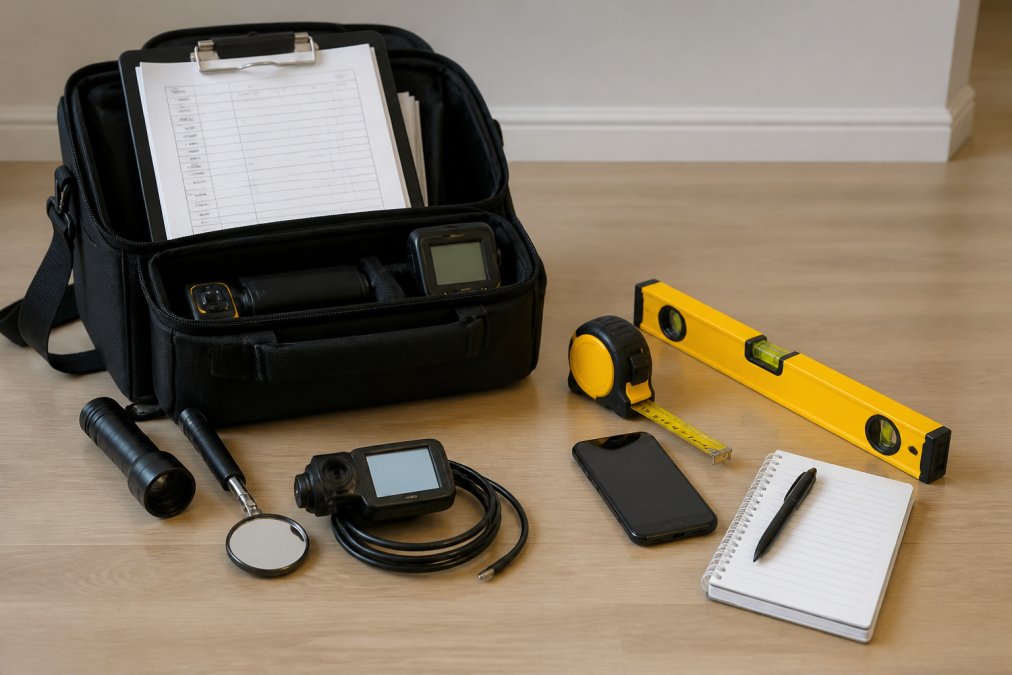
A professional snagging survey is a comprehensive inspection conducted by a qualified surveyor who identifies defects, documents them with photographs, and produces a formal report. Professional surveyors typically inspect structural elements, building regulation compliance, functionality of heating and electrical systems, plumbing performance, and cosmetic damage to finishes. They check for cracked plasterwork, misaligned doors and windows, poor paint application, damaged tiles, and defects in fitted furniture. Many surveyors also conduct thermal imaging to identify thermal bridging and insulation failures invisible to the naked eye.
What sets a professional snagging survey apart is regulation and accountability. Surveyors are often members of bodies like RICS (Royal Institution of Chartered Surveyors), RPSA (Residential Property Surveyors Association), or CIOB (Chartered Institute of Building), meaning they're bound by professional standards and insurance (rics.org). If their inspection misses something material, they carry professional indemnity insurance, giving you recourse if a defect they should have caught becomes your problem.
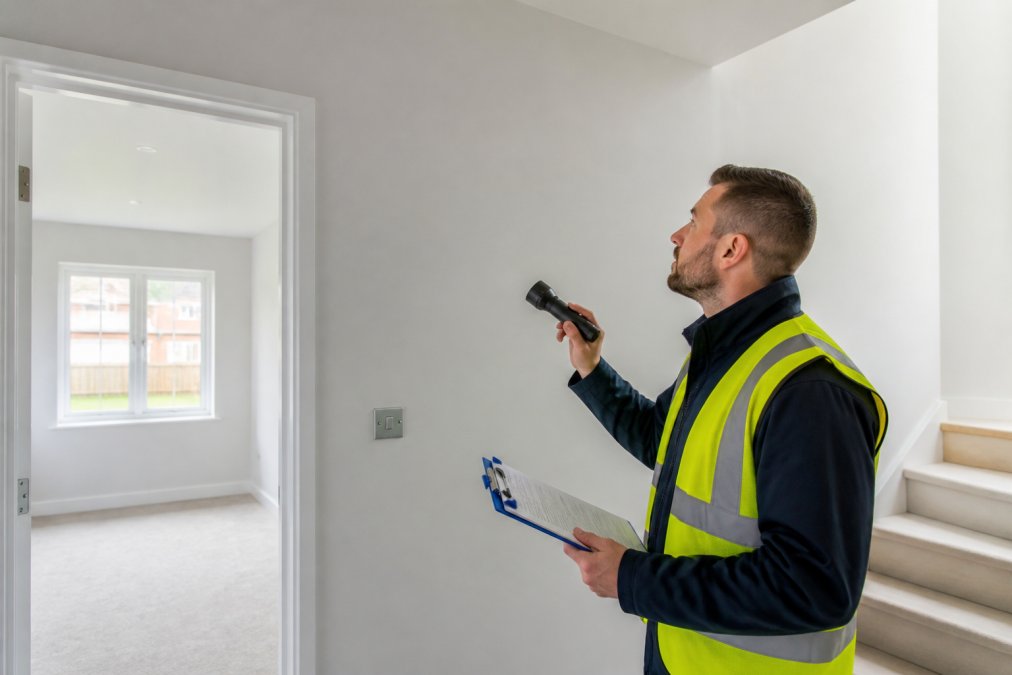
Professional surveys produce formal, detailed reports with photographs of each defect, descriptions of the issue, location within the property, and severity ratings. Reports are typically delivered within 2-3 days and can be shared with the developer, used in warranty claims, or presented as evidence in disputes (rpsa.org.uk). This documentation carries weight in negotiations because it's independent, professional, and verifiable.
Professional snagging surveys can be arranged as planned visits covering multiple properties, reducing per-unit cost through efficiency.
What You Can Identify With a DIY Inspection
A DIY inspection puts you in control, you walk through your property with a checklist, photograph anything that looks wrong, and decide what to report to the developer. It costs nothing and takes a few hours.
What you can realistically spot yourself includes obvious cosmetic damage: scratches on worktops, chips on tiles, scuffs on doors and frames, paint runs or uneven application, cracks in plasterwork, stains on baths or sinks, and misaligned fixtures. You can also check that doors and windows open and close smoothly, that radiators heat up, that taps run hot and cold water, and that light switches work. For straightforward cosmetic issues, a DIY checklist is perfectly adequate and costs nothing beyond your time.
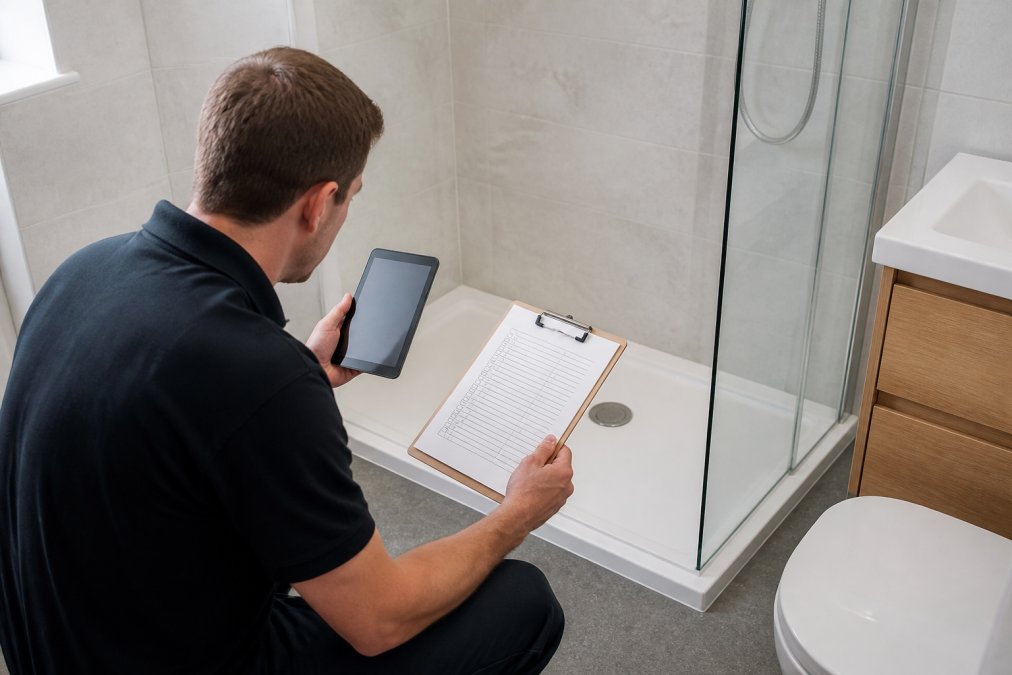
The limitations of DIY inspection become clear quickly. You won't identify building regulation breaches, thermal performance issues, or hidden defects behind fitted units (gov.uk). You won't know whether plumbing pressure is adequate, whether electrical circuits are correctly configured, or whether ventilation meets building standards. You won't spot hairline cracks indicating structural movement or condensation patterns suggesting insulation failure.
DIY inspections also carry no legal weight. If you report a defect to the developer and they dispute it, your word versus theirs means nothing. If you miss something and discover it after the warranty period expires, you have no documentation proving it existed at handover.
Professional Snagging Survey Cost and Timescales
Professional snagging surveys are a fixed-cost service scaled by property size.
Shocking New Build Snagging Inspection
New Home Quality Control
The value becomes clearer when you consider what you're paying for: independent professional assessment, formal documentation, professional indemnity insurance backing the report, and evidence that carries weight in disputes with developers or warranty providers. If a defect requires costly rectification and the developer refuses to fix it, a professional report gives you grounds to escalate the complaint formally.
Most surveyors can visit within 1-2 weeks of booking, complete the inspection in 2-3 hours, and deliver a detailed report within 2-3 working days. This means you can identify defects, report them to the developer, and have them fixed before the snagging period (usually 12 months from completion) expires.
DIY inspections cost nothing in monetary terms, but they consume your time and carry hidden costs. If you miss a defect that becomes expensive to fix later, the cost difference between a survey and the repair bill can be substantial. For a bath requiring replacement or defects affecting building regulation compliance, the cost of missing them far exceeds the survey fee.
Creating a New Build Snagging Checklist for Self-Inspection
If you decide to conduct a DIY inspection, a structured checklist keeps you focused and ensures you don't miss obvious issues. Start with the structure and fabric: check all walls for cracks, damp patches, or staining; inspect plasterwork for uneven application and visible joins; examine ceilings for sagging, cracks, or water marks; check doors and frames for alignment, gaps, warping, or damage; inspect windows for proper operation and seal integrity; look at skirting boards and architrave for gaps and damage.
Move to surfaces and finishes: check all worktops for chips, burns, stains, or poor joins; inspect tiles for cracks, chips, and uneven grouting; examine painted surfaces for runs, drips, and uneven coverage; look at fitted furniture for alignment and damage; check doors and handles for smooth operation.
Assess sanitary ware and plumbing: run all taps to check water pressure and temperature control; fill and drain baths and sinks to check for leaks; flush all toilets and check for leaks or poor operation; check that radiators heat up evenly; look under sinks and around pipes for water stains.
Test electrical and mechanical systems: switch all lights on and off; check that sockets are secure and properly finished; test heating and cooling systems; check that extractor fans operate; verify that doors close properly and locks function.
Document everything photographically with clear photos of each defect, noting location and room. Include photos from multiple angles if the defect isn't immediately obvious. Most homeowners can complete a thorough DIY inspection in 3-4 hours.
Cosmetic Hard-Surface Repair for New Builds: When DIY Ends
Many defects identified during snagging, chips, scratches, burns, stains, and minor cracks, are cosmetic damage to hard surfaces. Cosmetic damage to baths, shower trays, worktops, and tiles can often be repaired in place using specialist filling, colour-matching, texturing, and refinishing techniques. A chip on a bath can be filled and colour-matched to make it nearly invisible. A burn on a laminate worktop can be repaired without replacing the entire surface.
However, professional assessment matters. What looks like cosmetic damage might indicate a deeper problem. A crack in a tile might suggest movement in the substrate. Staining might indicate moisture ingress. A burn on a worktop might extend deeper than visible.
For new builds still under warranty, the developer is responsible for fixing defects, including cosmetic damage. Attempting to repair damage yourself before the developer has assessed it can create disputes about whether the damage existed at handover. This is why professional snagging documentation matters: it establishes what existed at completion and who's responsible for fixing it.
Surface Magic Repairs specialises in cosmetic hard-surface repairs for new build defect rectification. When defects are identified and the developer authorises repairs, or when warranty periods expire and cosmetic damage needs addressing, specialist repair techniques can restore surfaces without the cost and disruption of replacement.
Which Option Should You Choose?
The choice between a professional snagging survey and DIY inspection depends on property value, complexity, and your tolerance for risk.
Choose a professional snagging survey if:
You're purchasing a property worth more than £200,000. The cost of the survey is negligible compared to the property value, and the protection it provides is significant. You're a first-time buyer unfamiliar with building standards and common new build defects. You're purchasing off-plan or the property has complex systems (underfloor heating, smart home integration, advanced ventilation). You're buying as an investment or managing multiple properties.
Choose DIY inspection if:
You're purchasing a straightforward, lower-value property where the cost difference matters. You have construction or property management experience and understand building standards. You're willing to accept the risk that you might miss something. The property is simple with no complex systems, standard finishes, and straightforward layout.
A hybrid approach works too: Conduct a thorough DIY inspection first, photograph everything, and compile a list of potential issues. If you've identified more than a handful of defects or anything that concerns you, book a professional survey to verify your findings and document them formally.
The real cost of DIY inspection isn't the survey fee you save, it's the defects you miss and the repairs you end up paying for yourself. For most homebuyers, professional snagging documentation pays for itself if it prevents even one significant dispute with the developer or identifies one hidden defect.
| Aspect | Professional Survey | DIY Inspection |
|---|---|---|
| Cost | Varies by property | Free |
| Time to Complete | 2-3 hours (surveyor) | 3-4 hours (you) |
| Report Delivery | 2-3 working days | Immediate (your notes) |
| Legal Weight | High (independent, regulated) | None (subjective) |
| Catches Technical Issues | Yes (building regs, systems) | Unlikely (training required) |
| Catches Cosmetic Defects | Yes | Yes |
| Professional Insurance | Yes (indemnity backing) | No |
| Use in Disputes | Formal evidence | Anecdotal |
| Best For | Higher-value properties, complexity | Simple properties, experienced buyers |
Choosing between a professional snagging survey and DIY inspection is ultimately about risk tolerance and property value. Professional surveys provide documented evidence, expert assessment, and formal recourse if disputes arise. DIY inspections are free but carry the risk of missing issues that become expensive problems later.
For most new build purchases, the modest cost of a professional snagging survey is justified by the protection it provides. If you identify defects through either method, Surface Magic Repairs can help with cosmetic hard-surface repairs once the developer has completed their snagging work or warranties expire. We specialise in restoring baths, worktops, tiles, and other finished surfaces to their original appearance using specialist filling, colour-matching, and refinishing techniques, all completed in place without the disruption of replacement. GET AN INSTANT QUOTE to discuss your specific repair needs.
Frequently Asked Questions
What's the difference between a professional snagging survey and a homebuyer survey?
A professional snagging survey focuses specifically on defects and cosmetic damage in new build properties, identifying issues before completion. A homebuyer survey is a broader structural and condition assessment of any property, new or old. For new builds, a snagging survey is more targeted and cost-effective, whereas a homebuyer survey evaluates overall structural integrity and value.
How much does a professional snagging survey cost in the UK?
Professional snagging survey costs vary depending on property size and surveyor accreditation. Contact accredited surveyors for current pricing and a personalised quote based on your specific property.
Can I do my own snagging inspection on a new build?
Yes, you can conduct your own DIY inspection using a new build snagging checklist. However, DIY inspections may miss hidden defects, structural issues, or compliance problems that qualified surveyors identify. Professional surveyors hold RICS, RPSA, or CIOB accreditation and use thermal imaging and functionality checks. A DIY inspection works best alongside professional advice, especially for complex issues or before your warranty expires.
What cosmetic defects can be repaired professionally after I've identified them?
Chips, scratches, cracks, burns, and stains on baths, tiles, worktops, and furniture can be repaired in place using specialist cosmetic repair techniques. Professional hard-surface repair services match colour and finish to your existing surfaces without requiring replacement. However, very deep damage or structural faults may still require replacement. Surface Magic Repairs assesses each defect individually to determine whether repair or replacement is the best solution.
This article was written using GrandRanker