Table of Contents
- Why Downtime Is the Real Cost When Hotel Bathroom Fixtures Get Damaged
- Cosmetic Hard-Surface Repair for Hotels: What the Process Actually Involves
- How Long Does a Bath Enamel Repair Take? A Realistic Timeline
- Repairing Hotel Bathroom Fixtures: A Step-by-Step Approach
- Benefits of Repairing vs Replacing Hotel Sanitaryware
- Preventative Maintenance: Keeping Fixtures Out of the Repair Queue
- How to Choose a Professional Repair Specialist for Hotel Properties
- Frequently Asked Questions
Last Updated: August 30, 2026
Repairing hotel bathroom fixtures with minimal downtime is one of the most practical challenges facilities managers face. At Surface Magic Repairs, we work with hotels across the UK to keep guest rooms on sale while damaged baths, shower trays, tiles and sanitaryware are restored in situ. Below, we'll show you exactly how the repair process works, what a realistic timeline looks like, and how to build a maintenance approach that keeps fixtures out of the repair queue in the first place.
Why Downtime Is the Real Cost When Hotel Bathroom Fixtures Get Damaged
A room off sale for two or three days while a bath is stripped out, plumbed in, and surrounding tiles are made good represents lost revenue that no repair invoice can match. Factor in labour, waste disposal, and disruption to adjacent rooms, and the true cost of replacement becomes clear.
Cosmetic damage to hotel bathroom fixtures, chips, cracks, scratches, burn marks or staining, rarely affects structural integrity. What it affects is guest perception. A chipped bath reads as neglect, even when the rest of the room is immaculate.
According to guidance from the Chartered Institute of Procurement and Supply on whole-life costing principles, the total cost of ownership for any asset includes maintenance, downtime, and disposal. For hotel bathroom fixtures, that calculation almost always favours repair over replacement when the damage is cosmetic.
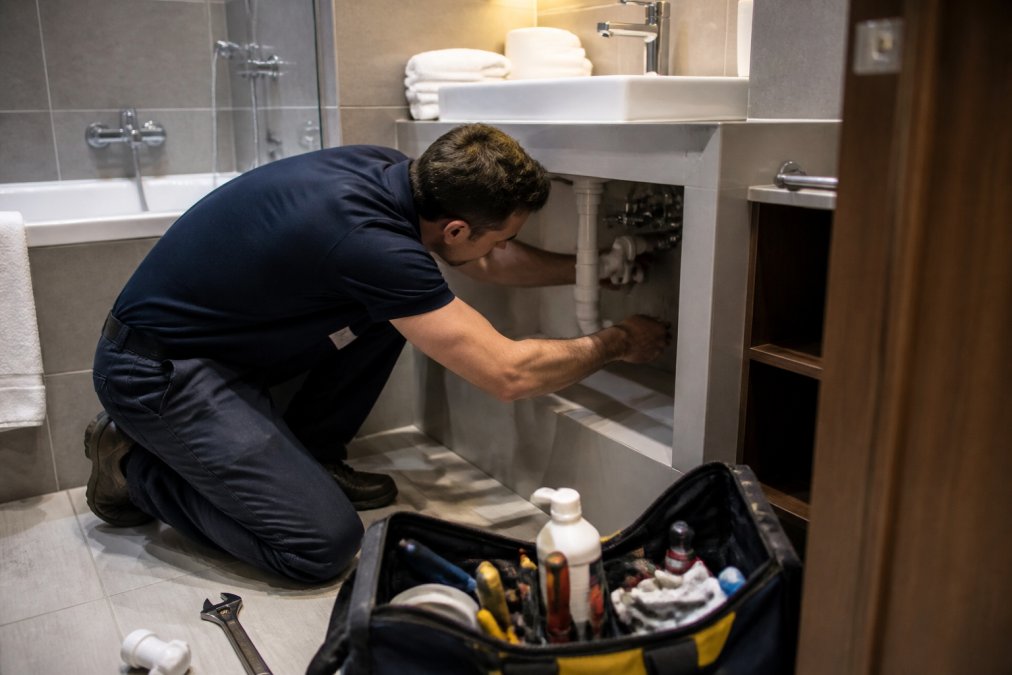
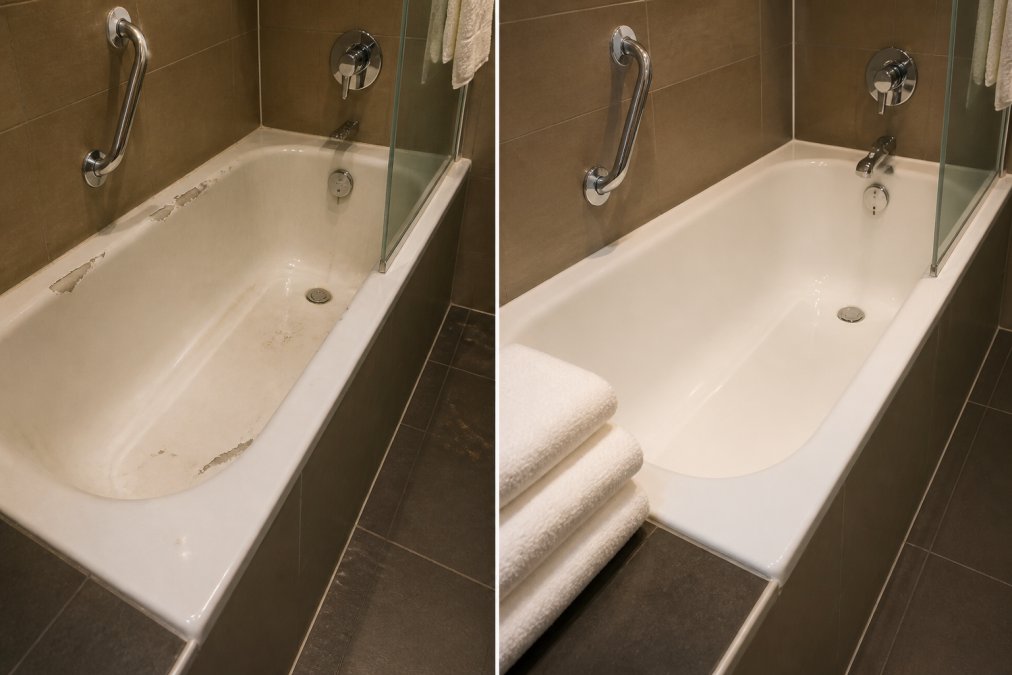
The better approach is in-situ repair: a specialist technician attends the room, restores the damaged surface using filling, colour-matching and refinishing techniques, and leaves the room ready for the next guest. No strip-out. No plumber. No tiler. No extended downtime.
Cosmetic Hard-Surface Repair for Hotels: What the Process Actually Involves
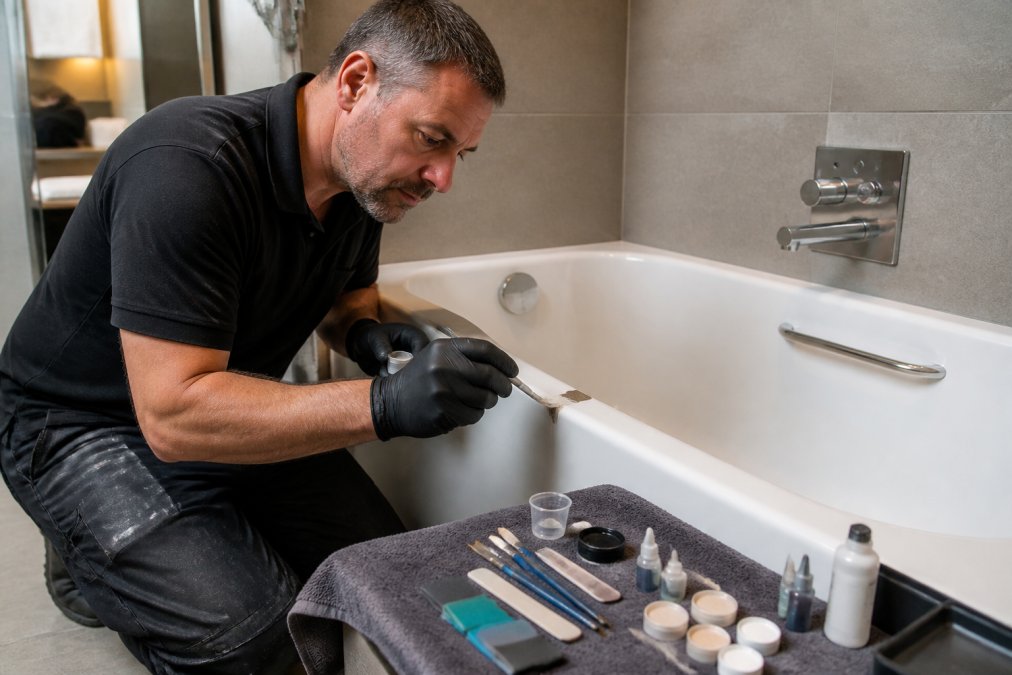
Cosmetic hard-surface repair is the in-situ restoration of damaged finished surfaces using specialist materials and techniques, without removing or replacing the underlying fixture. A trained technician works directly on the damaged area, whether a chipped bath rim, cracked shower tray, scratched acrylic panel or stained ceramic sink.
Common Fixtures Repaired In Situ
The range of hotel bathroom fixtures that can be repaired without strip-out includes:
- Baths: chips, cracks, scratches, burn marks, and surface staining on acrylic, enamel, and fibreglass units
- Shower trays: chips and cracks, including stress fractures around the waste
- Ceramic and porcelain tiles: chips, cracks, and grout damage
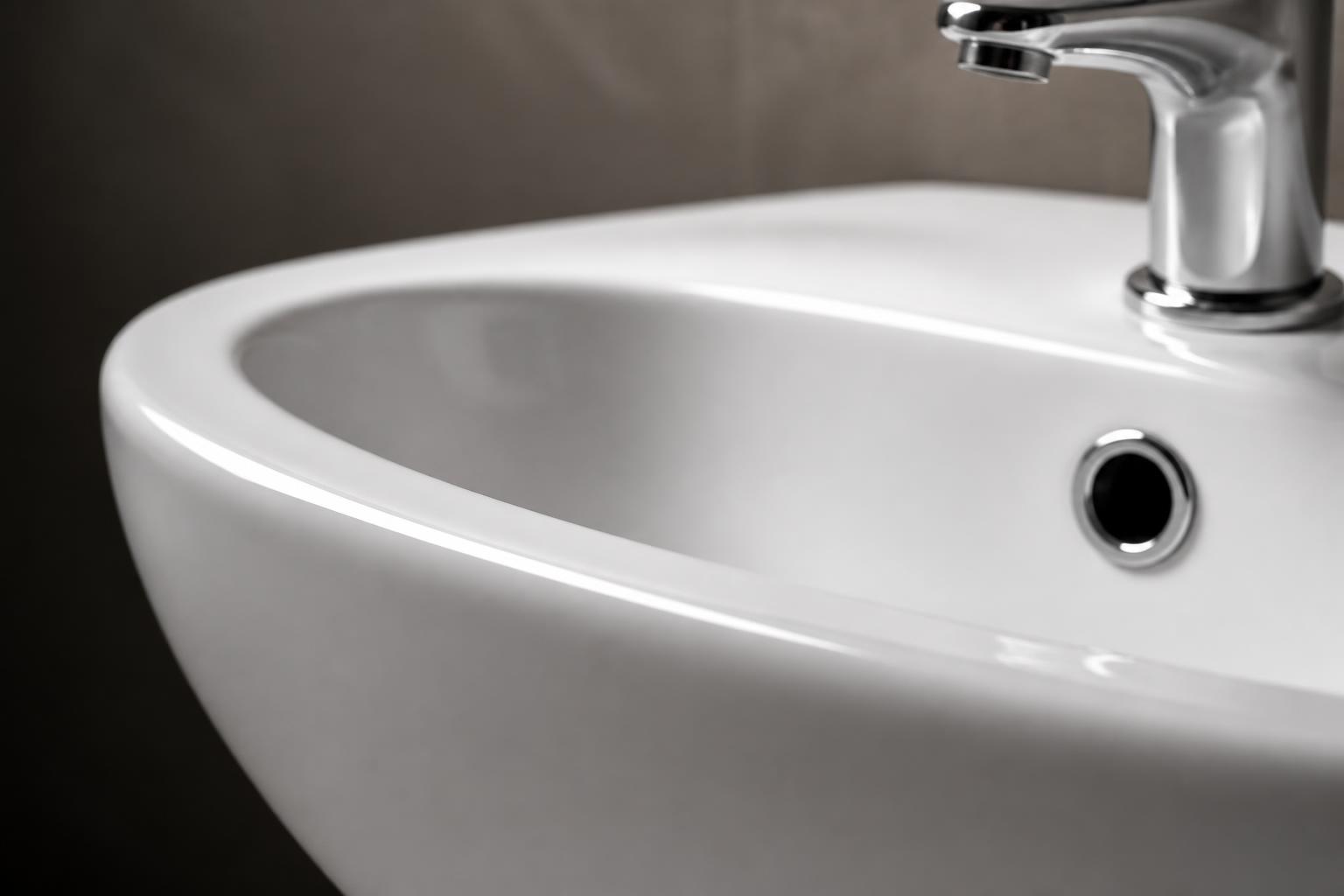
- Sinks and basins: chips and cracks to ceramic and vitreous china
- Shower enclosures and acrylic panels: scratches and impact damage
- Worktops and vanity units: burns, scratches, and chips to laminate and solid-surface materials
The key criterion is that the damage is cosmetic rather than structural. A bath with a hairline crack that has caused leaking is a different matter. But the vast majority of damage reported in hotel bathrooms is surface-level, and that is exactly what in-situ repair addresses.
Colour Matching and Finish Consistency
The most common concern is colour matching. Professional repair specialists use tinting and pigment-mixing techniques to match the existing surface colour. Sanitaryware fades and yellows over time, so experienced technicians match to the actual existing surface rather than a factory standard. Finish consistency, whether gloss, satin or matt, is matched using the same approach. The result is a repair that significantly improves the damaged area without being conspicuous.
How Long Does a Bath Enamel Repair Take? A Realistic Timeline
A professional bath enamel repair typically takes between two and four hours from arrival to completion. Cure time adds a further period before the bath can be used, which in most cases means the room can be returned to service the same day or the following morning.
This timeline varies depending on the size and depth of damage, the material being repaired, and ambient temperature, which affects cure speed. A small chip on a bath rim is different from a large crack across a shower tray. Technicians will give a realistic estimate after assessing the damage directly.
A room that checks out at 11am can, in many cases, have a cosmetic repair completed and be ready for check-in the same afternoon, compared to the two-to-three-day minimum that replacement typically requires.
| Repair Type | Typical On-Site Time | Cure Time Before Use | Room Off Sale |
|---|---|---|---|
| Small chip (bath or basin) | 1-2 hours | 2-4 hours | Half a day |
| Larger crack or scratch | 2-4 hours | 4-8 hours | Same day or overnight |
| Shower tray chip or crack | 2-3 hours | 4-8 hours | Same day or overnight |
| Tile chip or crack | 1-2 hours | 2-4 hours | Half a day |
| Surface refinish (larger area) | 3-5 hours | Overnight | 1 day |
Repairing Hotel Bathroom Fixtures: A Step-by-Step Approach
The process for repairing hotel bathroom fixtures follows a consistent sequence, whether the damage is a chip on a bath rim or a crack across a shower tray.
Step 1: Assess the Damage Before the Room Goes Off Sale
The most common mistake is taking a room off sale before confirming that the damage warrants it. A quick visual assessment, even from photographs, can establish whether the damage is cosmetic and repairable, or structural and requiring replacement. A reputable specialist will give an honest answer at this stage.
Gather the following before booking a repair:
- Clear photographs of the damage from multiple angles
- The material of the fixture if known (acrylic, enamel, ceramic, porcelain, fibreglass)
- The approximate age of the fixture
- The room's next scheduled check-in date
Step 2: Prepare the Surface Without Strip-Out
The technician prepares the damaged area by cleaning it thoroughly, removing soap residue, limescale, or contamination that would prevent repair materials from bonding. The surrounding area is masked to protect it during the repair process. Surface preparation is methodical and determines whether the repair lasts.
Step 3: Fill, Colour-Match and Refinish
The repair involves filling the damaged area with specialist compound matched to the substrate, building up the surface in layers to restore the original profile, and refinishing with a colour-matched and finish-matched topcoat. The technician mixes pigments to match the existing surface colour, applies the refinishing material, and blends the edges so the repair integrates with the surrounding surface.
Step 4: Cure Time and Room Turnaround
Once the repair is complete, the refinished surface needs time to cure before exposure to water and normal use. The technician will advise on specific cure time for the materials used and room conditions. During this period, the room can be prepared for the next guest in other respects. The bathroom should remain undisturbed until the repair has fully cured.
Benefits of Repairing vs Replacing Hotel Sanitaryware
Cost. Replacement involves the fixture, a plumber, potentially a tiler, waste disposal, and multiple days off sale. In-situ repair involves a single specialist trade, no waste disposal costs, and a fraction of the downtime.
Disruption. Strip-out work generates noise, dust, and waste affecting adjacent rooms. In-situ repair is quiet, contained, and leaves no mess.
Sustainability. Disposing of a functional bath because of cosmetic damage contributes unnecessarily to landfill. The UK Government's waste hierarchy principles prioritises repair and reuse over disposal wherever practicable.
Continuity. Replacing a single bath often exposes a mismatch with surrounding finishes. A new white bath against aged tiles and a yellowed basin looks worse than the original chip. Repair preserves the existing aesthetic.
Preventative Maintenance: Keeping Fixtures Out of the Repair Queue
The best repair is the one you never need. The British Hospitality Association's guidance on facilities maintenance highlights that planned maintenance programmes consistently outperform reactive approaches in both cost and operational continuity.
Housekeeping protocols. Abrasive cleaning products degrade acrylic and enamel baths. Switching to non-abrasive cleaners and training staff on appropriate products for each fixture type extends surface life considerably.
Regular inspection. Brief inspections during routine housekeeping, looking for early-stage chips, hairline cracks, or surface staining, allow damage to be caught and repaired before it worsens.
Guest communication. Clear guidance discouraging the use of abrasive products or sharp implements on bath surfaces reduces accidental damage.
Planned repair cycles. Rather than waiting for damage to be reported, many facilities teams schedule periodic inspections by a repair specialist across all guest bathrooms, surfacing damage early and allowing repairs to be batched efficiently.
How to Choose a Professional Repair Specialist for Hotel Properties
When selecting a specialist for hotel bathroom fixtures, the following criteria matter:
- Commercial experience. A specialist who works regularly in hotel environments understands operational constraints: working around check-out and check-in times, coordinating with housekeeping, and completing work efficiently.
- Honest assessment. A reputable specialist will tell you when a repair is not the right solution, rather than attempting work that will not hold or look right.
- Colour-matching capability. Ask to see examples of previous repairs on aged sanitaryware. The ability to match an existing, aged surface rather than a factory-original colour distinguishes experienced specialists.
- Nationwide reach. For hotel groups with multiple properties, a specialist with genuine nationwide capability avoids managing multiple regional contractors.
Surface Magic Repairs works with hotels across the UK, completing in-situ repairs to baths, shower trays, tiles, worktops, furniture, and doors with the specific aim of minimising room downtime. With over 46,000 surfaces repaired in the last year, the team brings the commercial experience and technical capability that hotel environments require.
The question to ask any prospective specialist is straightforward: can you show me examples of repairs on aged sanitaryware in a commercial setting, and will you give me an honest assessment before booking the work? The answer tells you most of what you need to know.
For further context on what to expect from professional surface repair services in a commercial environment, the Property Care Association's guidance on surface restoration standards provides a useful independent reference point.
Damaged hotel bathroom fixtures create a choice between two very different cost structures: a fast, contained in-situ repair, or a disruptive, expensive replacement that takes the room off sale for days. Surface Magic Repairs specialises in the former, completing colour-matched, in-situ repairs to baths, shower trays, tiles, and sanitaryware across hotel properties nationwide. With no strip-out required and most repairs completed within a single day, the team helps facilities managers keep rooms on sale and guests satisfied. Get an instant quote from Surface Magic Repairs and find out how quickly your next damaged fixture can be back in service.
Frequently Asked Questions
Can chipped porcelain or enamel be repaired without closing the hotel room for days?
Yes. Professional in situ repairs to chipped porcelain or enamel typically take a few hours, and most rooms can be returned to service the same day once the repair has cured. No strip-out or replacement is needed, which means there is no associated tiling, plumbing or decorating work to extend the room's downtime. Results depend on the size and depth of the damage, but a specialist can give a realistic assessment before any work begins.
How long does a bath enamel repair take from start to finish?
A standard bath enamel repair, covering a chip, crack or localised staining, generally takes between two and four hours on site. Cure time after the repair varies by product and conditions, but most repairs are touch-dry within a few hours and fully hardened within 24 hours. A technician will advise on the specific cure window before leaving, so housekeeping can plan the room's return to the rota accurately.
Is a cosmetic repair to hotel sanitaryware a permanent fix or just a short-term patch?
A professionally completed cosmetic hard-surface repair is designed to last for years under normal use, not just months. The durability depends on the material, the type of damage and how well the surface is maintained afterwards. Repairs carried out with proper preparation, specialist fillers and correctly matched finishes hold up well in busy hotel environments. Surface Magic Repairs focuses on honest assessments, so if a repair is unlikely to give a lasting result, replacement will be recommended instead.
What types of hotel bathroom fixtures can be repaired in situ?
Baths, shower trays, sinks, basins, ceramic and porcelain tiles, and solid-surface or laminate worktops can all be repaired on site without removal. Common damage types include chips, scratches, cracks, burns and staining. UPVC surfaces, fitted furniture and doors are also within scope. Repairing hotel bathroom fixtures in place avoids the disruption of plumbing disconnection, floor protection work and the knock-on redecoration that full replacement usually requires.
This article was written using GrandRanker