Table of Contents
- Why Standard Finishes Fail in Busy Homes
- The Most Durable Finishes for Walls, Floors and Woodwork
- Matt or Gloss: Which Finish Suits High Traffic Rooms?
- The Real Cost of Surface Repair vs Replacement
- How to Repair Scratches on Laminate Flooring
- Maintenance Tips for Solid Surface Worktops
- When to Call in a Surface Repair Professional
- Final Verdict on Durable Finishes
- Frequently Asked Questions
Last Updated: 6 September 2026
Why Standard Finishes Fail in Busy Homes
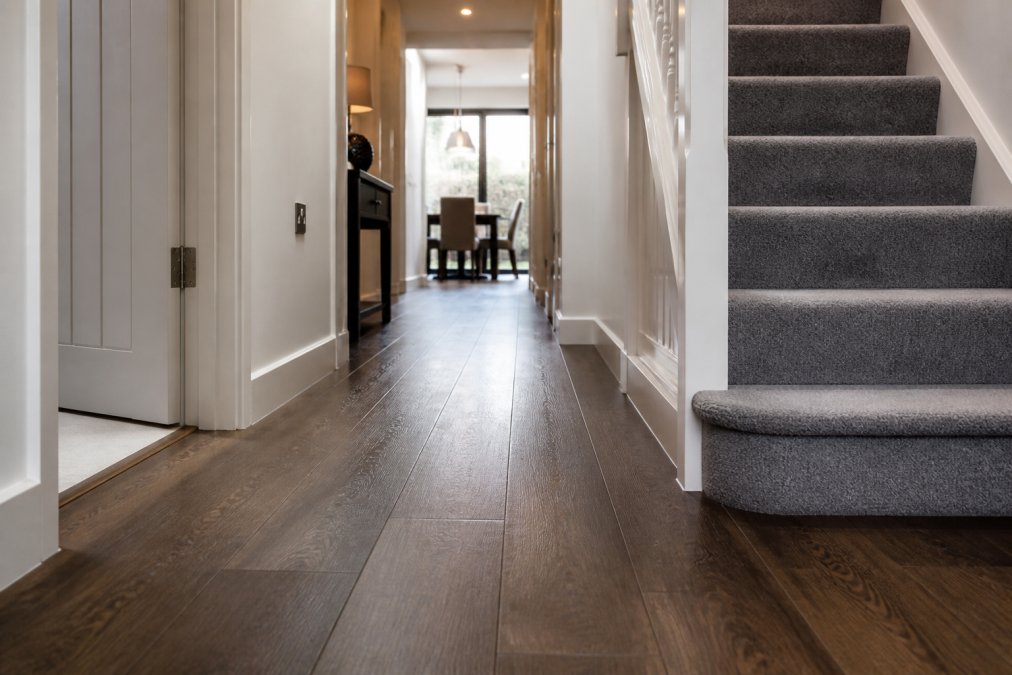
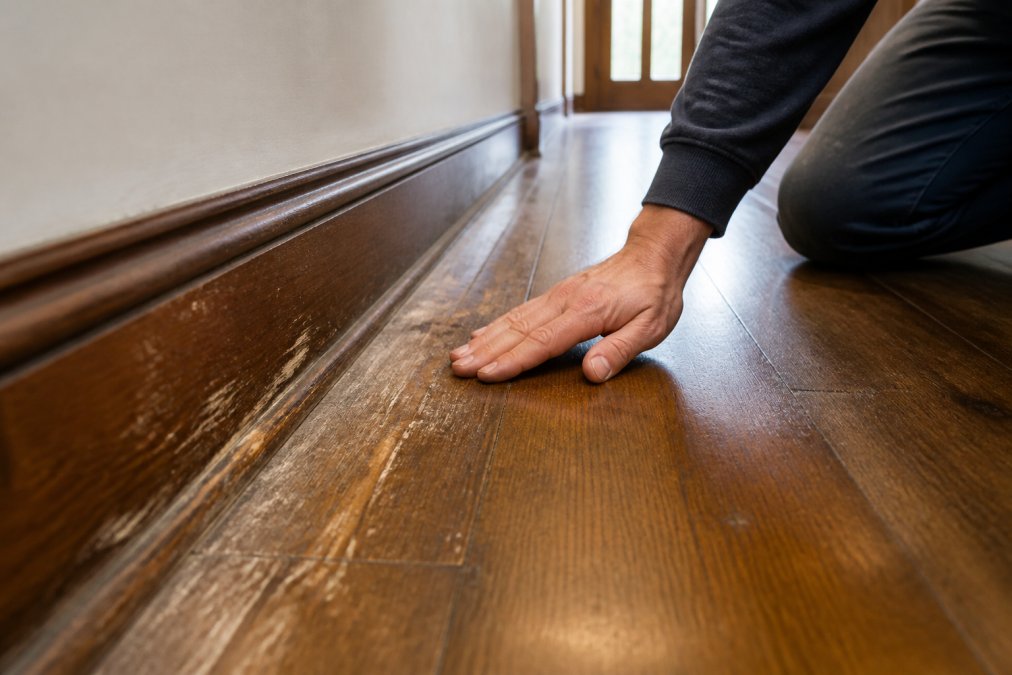
The hallway floor that looked flawless at fit-out rarely survives contact with daily life. Standard domestic paints and varnishes are formulated for controlled conditions, not for the steady abrasion of shoes, pet claws, and shifting furniture that characterise high traffic home areas. Within a year, you will likely notice the first tell-tale scuffs along skirting boards and dull patches where footfall is heaviest. The issue is film hardness and adhesion. Cheaper emulsions and single-pack varnishes sit on the surface rather than bonding deeply, so they chip and peel when knocked. Moisture from cleaning and humidity accelerates the breakdown. As a specialist in cosmetic surface repair, we often see the aftermath: finishes that failed not because they were applied badly, but because they were the wrong specification for the location.
Choosing durable finishes for high traffic home areas from the outset saves the frustration of premature wear. Below, we explain which materials genuinely hold up, where gloss levels matter, and how to repair deep burn marks on laminate worktops distinguish a finish that will last a decade from one that will need attention in eighteen months.
The Most Durable Finishes for Walls, Floors and Woodwork
Durable finishes fall into distinct categories depending on the substrate. A wall finish that shrugs off scuffs will not survive on a floor, and the toughest floor coatings are impractical on joinery. Matching the finish to the surface and its specific stress level is the core decision.
Hard-Wearing Paint and Wallcoverings
For walls in corridors, stairwells, and children's play areas, the specification matters more than the brand. Look for washable, scrub-resistant emulsions with a vinyl or acrylic base; these form a tougher film than standard matt. Alternatively, eggshell and satin finishes offer greater resistance to marking and can be wiped clean without disturbing the paint layer.
Wallcoverings provide a different route. Heavy-grade vinyl wallcoverings are common in commercial settings because they withstand impact and are fully washable. For domestic use, they suit stairwells and hallways where walls take frequent knocks from pushed furniture and carried items.
Floor Finishes That Take a Beating
Flooring endures the most punishing conditions. Hardwood floors need a multi-coat polyurethane or ceramic lacquer, not a single coat of varnish. These finishes cure to a hard, clear film that resists scratching and requires only periodic maintenance. Engineered wood and laminate benefit from factory-applied wear layers; once those wear through, the surface cannot simply be recoated, which is where professional intervention becomes relevant.
Protective Coatings for Woodwork and Doors
Skirting boards, door frames, and internal doors suffer constant contact. Microporous paints and lacquers allow the wood to breathe while providing a resilient surface. For doors that see heavy use, a two-pack or cross-linked finish offers exceptional hardness, though these require professional application due to fumes and curing requirements.
Matt or Gloss: Which Finish Suits High Traffic Rooms?
The gloss level is not merely aesthetic; it directly influences durability and the visibility of wear. High-gloss finishes cure to the hardest film, making them the most resistant to abrasion and the easiest to clean. The trade-off is that they highlight every imperfection in the substrate and can feel institutional in a home.
Satin and eggshell strike the balance most designers prefer for high traffic home areas. They offer good scrub resistance, hide minor surface flaws, and reflect enough light to make cleaning easier. Pure matt, while fashionable, is the least durable option; it marks easily and cannot be scrubbed without leaving a shiny patch.
The Real Cost of Surface Repair vs Replacement
The cost of surface repair versus replacement extends beyond the invoice for new materials. Replacement involves removal, disposal, making good the surrounding area, and often knock-on decorating or tiling work. Downtime is a hidden cost, particularly for landlords and hotel operators where a room out of action loses revenue.
Professional cosmetic repair in situ addresses the damage without strip-out. Specialist filling, colour-matching, and refinishing techniques restore the area, keeping the existing surface intact. For a rental property between tenancies or a guest room needing a fast turnaround, the difference in disruption is substantial. While pricing depends on the extent of damage and materials involved, repair can be a more economical alternative to replacement when you factor in labour and associated works.
How to Repair Scratches on Laminate Flooring
Laminate flooring presents a specific challenge: the decorative layer is printed, so deep scratches cannot be sanded out. How to repair scratches on laminate flooring depends on the severity of the damage. For light scuffs, a laminate floor repair pen or wax filler crayon matched to the colour can mask the mark effectively.
For deeper gouges where the core board is exposed, clean the area and fill with a coloured wax or wood filler, then seal with a clear lacquer. The repair will improve the appearance significantly, though matching a busy wood-grain pattern perfectly is difficult. Where scratches cover a large area or the wear layer has failed, professional assessment determines whether repair is viable or replacement is the pragmatic choice.
Maintenance Tips for Solid Surface Worktops
Solid surface worktops, such as Corian-style materials, are prized for their seamless appearance and repairability. Unlike laminate, scratches and burns can often be sanded out and the surface refinished to a like-new condition. Daily maintenance is straightforward: use a mild detergent and a soft cloth, and avoid abrasive pads that dull the finish.
For maintenance tips for solid surface worktops that keep them looking pristine, address marks promptly. Heat damage from pans can cause discolouration that requires professional sanding to remove. Minor cuts can be buffed out, but deep burns or cracks may need a specialist to blend the repair seamlessly. Regular resealing is not required for most solid surfaces, unlike natural stone.
When to Call in a Surface Repair Professional
Many minor marks respond to DIY kits, but there is a clear line where professional help becomes the sensible option. If the damage is deep, the surface has a complex pattern, or the item is high-value, an amateur repair risks making the situation worse. Colour-matching on baths, tiles, and worktops is notoriously difficult to achieve with off-the-shelf products.
Professionals use specialist filling, tinting, and texturing techniques to blend repairs into the surrounding finish. For landlords managing multiple properties or facilities managers with a portfolio of rooms, a professional can assess and repair several damaged surfaces in one visit, minimising downtime. The team can work alongside site managers and maintenance teams to help complete work efficiently and professionally, keeping properties operational.
Final Verdict on Durable Finishes
Selecting durable finishes for high traffic home areas is about matching the specification to the stress. Walls benefit from scrub-resistant emulsions or vinyl wallcoverings. Floors demand hard, multi-coat lacquers or factory-applied wear layers. Woodwork needs microporous or two-pack finishes that handle constant contact.
When wear does occur, the choice between repair and replacement should consider the total cost, including disruption and knock-on works. Cosmetic damage to baths, worktops, tiles, and doors is often repairable in situ, preserving the original surface and avoiding unnecessary waste.
Frequently Asked Questions
What is the most durable finish for high-traffic areas?
For walls and woodwork, washable, scrubbable paints with a satin or eggshell sheen offer the best balance of durability and appearance. For floors, hard-wearing options include ceramic or porcelain tiles, luxury vinyl planks, and engineered wood with a strong factory-applied lacquer. These surfaces resist scuffs, scratches and staining far better than standard matt emulsions or untreated timber.
Are matt or gloss finishes better for high-traffic rooms?
Gloss and satin finishes are more durable and easier to wipe clean than matt, making them better suited to hallways, kitchens and children's rooms. However, they show surface imperfections more readily. Modern 'scrubbable matt' paints offer a compromise, providing a flat look with improved resistance. For woodwork, a hard-wearing satin or gloss varnish or microporous paint protects against knocks and fingerprints.
Can cosmetic repairs extend the life of high-traffic surfaces?
Yes. Professional cosmetic repairs can fix chips, scratches, scuffs and burns on baths, worktops, laminate flooring, tiles and painted woodwork. Repairing rather than replacing these surfaces avoids the cost and disruption of a full strip-out, and can significantly extend the useful life of the original fixture or fitting. This is often a practical option between tenancies or before guest check-in.
How often should high-traffic surfaces be refinished?
This depends on the material and the level of footfall. Heavily used wooden floors may need recoating every few years, while quality factory-finished laminate or tile can last decades with basic care. Walls painted with standard emulsion might need touching up annually in busy corridors. Using durable finishes from the start, and addressing damage early, reduces how often full refinishing is required.
Choosing the right finish reduces the frequency of repairs, but no surface is indestructible. When chips, scratches, or burns appear in your high traffic areas, Surface Magic Repairs provides professional cosmetic hard-surface repairs across the UK. Our team matches colour and finish to the existing surface, completing work in place with minimal disruption. Get an instant quote and extend the life of your surfaces rather than replacing them. https://surfacemagicrepairs.co.uk