Table of Contents
- Why Assessing Rental Property Damage Matters
- Fair Wear and Tear Versus Tenant Damage
- Creating a Rental Property Damage Inspection Checklist
- How to Document Rental Property Damage
- Repair or Replace Damaged Rental Property Fixtures
- Recording Your Assessment and Next Steps
- Conclusion
- Frequently Asked Questions
Last Updated: 19 October 2026
Why Assessing Rental Property Damage Matters
Assessing rental property damage correctly is one of the most important tasks a landlord or letting agent faces. Get it wrong and you'll either overpay for repairs, miss damage that gets worse, or unfairly blame tenants for normal wear. Get it right and you protect your property, manage costs fairly and speed up turnarounds between tenancies.
The key is knowing what you're looking for and documenting it properly. This guide shows you how to assess rental property damage systematically, distinguish between fair wear and tenant damage, and record findings that hold up to scrutiny.
Surface Magic Repairs helps landlords and property managers across the North West assess damage in rental properties. The difference between a thorough assessment and a rushed one often comes down to a checklist, good photographs and honest judgment about what can be repaired versus what needs replacing.
Fair Wear and Tear Versus Tenant Damage
Understanding the difference between fair wear and tear and tenant damage is essential. Fair wear and tear is the natural deterioration that happens when a property is lived in normally. Tenant damage is something a tenant caused through carelessness, misuse or neglect.
Fair wear and tear includes:
- Faded paint or wallpaper from sunlight
- Worn carpet pile in high-traffic areas
- Light scuffs on skirting boards and door frames
- Minor marks on walls from hanging pictures
- Worn kitchen worktops from daily use
- Loose door hinges or handles that need tightening
Tenant damage includes:
- Holes punched in walls or doors
- Broken windows or damaged frames
- Stained or burnt carpets
- Damaged kitchen worktops from impact or heat
- Cracked tiles from impact
- Chipped baths or shower trays
- Missing or broken fixtures and fittings
- Damage from pet claws or urine
- Broken appliances from misuse
The line between the two can be blurry. A small chip in a bath might be fair wear, but a large crack usually isn't. A few scuffs on a door frame are normal, but deep gouges suggest impact damage.
When you assess damage, ask yourself: would this have happened if the tenant had used the property reasonably? If the answer is no, it's likely tenant damage and the cost should come from the deposit.
Creating a Rental Property Damage Inspection Checklist
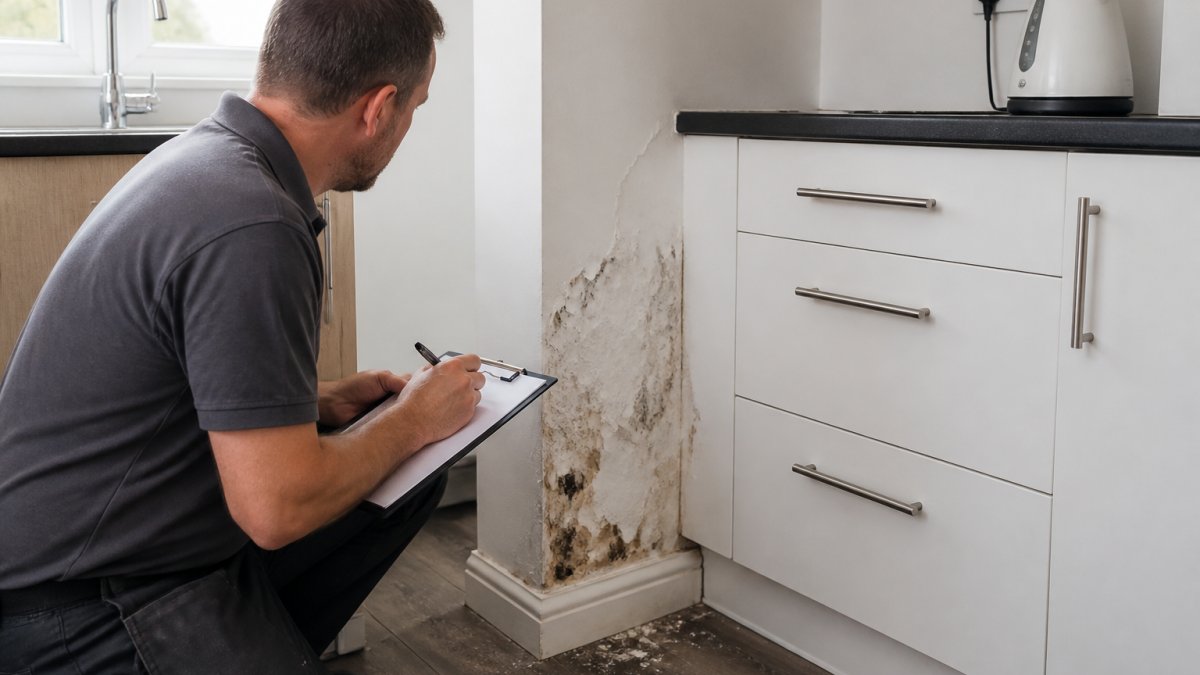
A systematic checklist helps you assess rental property damage consistently and avoid missing problem areas. Work through the property room by room, noting the condition of each surface and fixture.
Bathrooms and Wet Areas
Bathrooms take heavy wear. Check these items carefully:
- Bath surface for chips, cracks, stains and discolouration
- Shower tray for cracks, chips and impact damage
- Tiles for cracks, chips and loose grout
- Sink and basin for chips, cracks and stains
- Toilet for cracks, loose seat and damage to the bowl
- Mirrors for scratches, damage and missing sections
- Taps and fittings for damage, leaks and missing parts
- Grout between tiles for cracks, mould and gaps
- Caulk around baths and showers for gaps and mould
- Walls for water damage, damp, mould and impact marks
- Flooring for water damage, stains and missing tiles
Water damage in bathrooms often points to leaks or poor maintenance rather than tenant damage. Mould growth usually indicates ventilation issues. Impact damage to baths, shower trays and tiles is usually tenant damage.
Kitchens and Worktops
Kitchens show damage quickly. Look for:
- Worktop surface for burns, stains, scratches and impact damage
- Worktop edges for chips and damage
- Kitchen units for dents, scratches and broken handles
- Appliances for damage and missing parts
- Tiles for cracks and chips
- Grout for cracks and gaps
- Splashback for damage and staining
- Flooring for stains, water damage and missing tiles
- Walls for marks, stains and impact damage
Burnt worktops from hot pans, stained surfaces from spills and impact damage to edges are usually tenant damage. Faded laminate or solid-surface worktops are fair wear.
Flooring and Doors
Flooring and doors take constant wear. Check:
- Carpet for stains, burns, wear patterns and damage
- Laminate or vinyl for scratches, stains and water damage
- Wooden floors for scratches, dents and water damage
- Tile flooring for cracks, chips and loose tiles
- Skirting boards for damage, marks and loose sections
- Doors for dents, scratches, impact damage and broken handles
- Door frames for damage, scratches and loose sections
- Door hinges for damage and loose fixings
- Locks and latches for damage and missing parts
- Thresholds for damage and loose sections
Heavy wear on carpet in high-traffic areas is fair wear. Stains, burns and large worn patches suggest tenant damage. Dents in doors are often tenant damage unless they're very minor.
Walls, Tiles and Surfaces
Walls and surfaces accumulate marks and damage over time. Inspect:
- Walls for holes, dents, scratches and impact damage
- Paint for fading, marks and water damage
- Wallpaper for peeling, stains and damage
- Tiles for cracks, chips and loose sections
- Grout for cracks, gaps and discolouration
- Skirting boards for marks, damage and loose sections
- Ceiling for cracks, water stains and damage
- Light fittings for damage and missing parts
- Switches and sockets for damage and loose covers
Small nail holes from picture hooks are fair wear. Large holes, dents and impact damage are usually tenant damage. Water stains on ceilings suggest leaks or condensation issues, not tenant damage.
How to Document Rental Property Damage
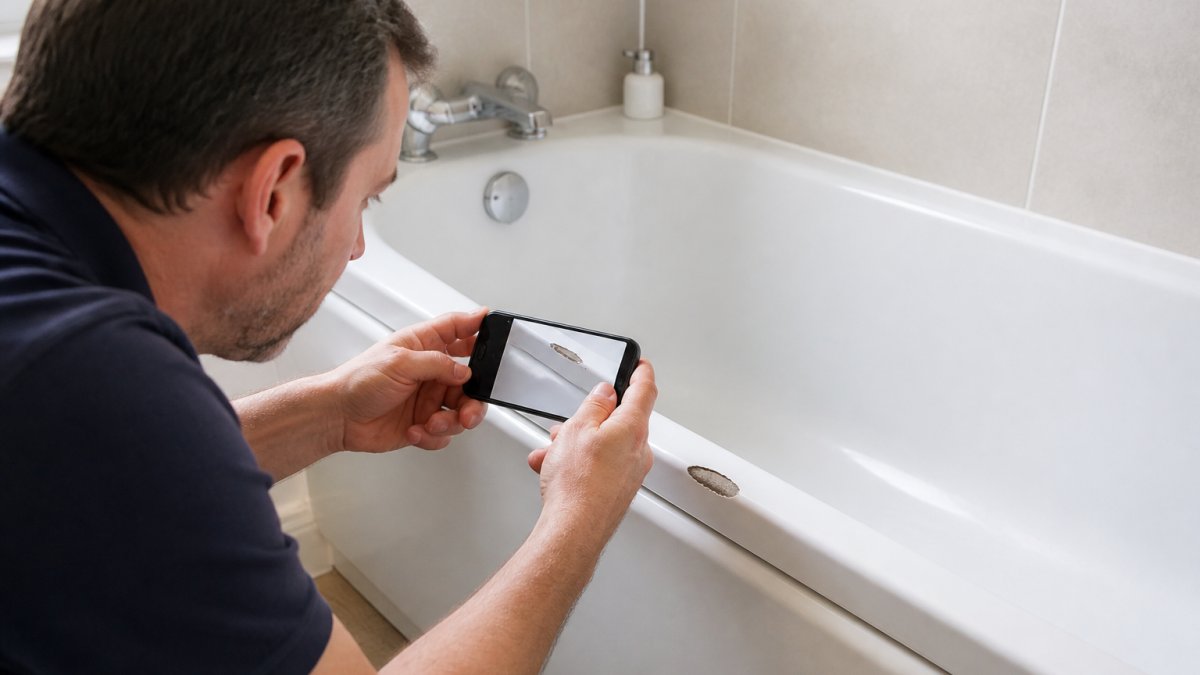
Good documentation is your strongest defence if a tenant disputes a deduction from their deposit. Photographs and written notes create a record that stands up to scrutiny.
Take photographs of:
- Every room in the property
- Every damaged area from multiple angles
- Close-ups of specific damage
- Wide shots showing the damage in context
- The entire surface (bath, worktop, door) not just the damaged spot
- Lighting conditions as they naturally appear
Write notes that describe:
- The location of the damage (which room, which wall, which surface)
- The type of damage (chip, crack, burn, stain, dent, scratch)
- The size of the damage (small, large, deep, shallow)
- The likely cause (impact, heat, water, wear)
- Whether it appears to be fair wear or tenant damage
- Any other relevant context
Use a structured format. For example:
"Master bedroom: door frame, left side, 30cm from floor. Deep gouge approximately 8cm long and 2cm wide. Appears to be impact damage from moving furniture or impact from an object. Not consistent with normal wear."
Date your notes and photographs. Include the property address, the date of the inspection and your name. If possible, have a witness present during the inspection and ask them to sign your notes.
Store photographs in a dedicated folder for each property and each tenancy. Back up digital copies to cloud storage so you don't lose them if your device fails.
Repair or Replace Damaged Rental Property Fixtures
Once you've assessed the damage, you need to decide whether to repair or replace. This decision affects your costs, your timeline and your property's condition.
Repair is usually the right choice when:
- The damage is cosmetic (chip, scratch, stain, burn, dent)
- The fixture is still functional
- The damage is confined to one area
- Repairing costs significantly less than replacing
- The repair can be completed quickly
- The repair will match the existing finish well
Replace when:
- The damage affects safety or function
- The fixture is broken and can't be reliably repaired
- Multiple areas are damaged
- Repairing would cost nearly as much as replacing
- The fixture is old and likely to fail soon
- The damage is so extensive that repair would look poor
For rental properties, many cosmetic repairs can extend the life of fixtures and avoid the cost and disruption of full replacement. A chipped bath, scratched worktop or burnt laminate can often be repaired professionally to restore appearance and usability without the expense of strip-out and replacement.
However, if a fixture is broken or damaged beyond reasonable repair, replacement is the better choice. A broken toilet seat or a damaged door handle should be replaced rather than repaired.
Consider your tenant profile and the property type. A high-turnover student let might justify quick, durable repairs. A premium property might benefit from replacement to maintain standards.
Recording Your Assessment and Next Steps
Once you've completed your assessment, record your findings in a format you can refer to later. Create a damage report that includes:
- Property address and tenancy dates
- Date of inspection
- Inspector name
- Summary of damage found
- Photographs (referenced by location)
- Assessment of fair wear versus tenant damage
- Recommendation for repair or replacement
- Next steps and timeline
Use this report to:
- Communicate with the tenant about deposit deductions
- Brief contractors on work to be done
- Track repair progress
- Maintain records for future reference
- Defend your decisions if disputes arise
Share the report with contractors so they understand the scope of work. If you're using a professional repair service, send clear photographs and your notes so they can provide an accurate quotation and know what to expect when they visit.
Keep records for at least six years in case of disputes or tax questions. Digital storage is fine as long as you maintain backups.
Conclusion
Assessing rental property damage thoroughly protects you, helps you make fair decisions about deposit deductions and speeds up the repair process. A systematic checklist, good photographs and honest judgment about fair wear versus tenant damage are your best tools.
When damage is extensive or you're unsure whether a repair is suitable, professional assessment saves time and money. Surface Magic Repairs can assess rental property damage across bathrooms, kitchens, worktops, tiles, doors and other surfaces, advise whether repair or replacement is the right choice, and provide a quotation based on photographs. For properties in the North West or commercial properties nationwide, send clear photographs of the damage, the complete fixture and the surrounding area, together with your full address and postcode to info@surfacemagicrepairs.com or call 0800 085 7773. The team can advise on suitability and provide a quotation to help you plan repairs between tenancies efficiently.
Surface Magic Repairs helps landlords and letting agents keep rental properties in good condition with professional cosmetic repairs completed on site. Rather than replacing damaged baths, shower trays, worktops, tiles and other surfaces, repairs restore appearance and usability with colour matching and refinishing that blend with the surrounding area. For rental properties across the North West or commercial properties nationwide, send photographs and your postcode to get a quotation. Call 0800 085 7773 or visit surfacemagicrepairs.co.uk.
Frequently Asked Questions
How should a landlord assess damage to a rental property?
Conduct a systematic inspection of every room, checking bathrooms, kitchens, flooring, doors, walls and surfaces. Document each issue with photographs taken from multiple angles and in good lighting. Note the location, type of damage (chip, scratch, crack, burn, stain), and severity. Compare what you find against normal wear and tear for the property's age and use. Record your findings in a detailed report with dates and photographs before arranging repairs or replacements.
How can you tell the difference between fair wear and tear and tenant damage?
Fair wear and tear is gradual deterioration from normal use, such as minor fading, slight scratches on worktops, or worn carpet pile. Tenant damage is caused by carelessness, neglect or deliberate harm, such as deep burns on a worktop, large chips in a bath, broken tiles, or damage to doors and frames. Check your tenancy agreement for specific definitions. When in doubt, photograph the damage and compare it to the condition at move-in. Damage beyond what reasonable use would cause is typically tenant damage and the tenant's responsibility.
What should landlords photograph when documenting property damage?
Take wide shots showing the entire room or area, then close-ups of each damaged item or surface. Photograph damage from multiple angles and in natural light to show the true colour and extent. Include a ruler or object for scale if the damage is small. Capture the surrounding area to show how the damage stands out. For each item, photograph the full fixture (bath, worktop, door) as well as the damage itself. Label or note the date, room and type of damage with each photograph. Store images clearly organised by date and property for your records.
How do you decide whether rental property damage needs repair or replacement?
Consider the damage type, material, age of the fixture, and cost. Cosmetic damage such as chips, scratches, stains and minor cracks to baths, shower trays and worktops, and chips and cosmetic damage to tiles, can often be repaired in place, restoring appearance without removing the item. Structural damage, severe wear, or damage affecting function or safety may require replacement. Get an honest assessment from a specialist: they can advise whether repair is suitable and durable, or whether replacement is more practical. Repair is usually faster and less disruptive than replacement, making it ideal between tenancies.