Table of Contents
- What Counts as Minor Cosmetic Damage in a New Home
- How to Report New-Build Defects to Your Housebuilder
- New-Build Snagging Repairs: What Housebuilders Will and Will Not Fix
- Bath Chip Repair in a New Home: What to Expect
- Worktop Scratch Repair: Restoring Laminate and Solid Surfaces
- Other Common Cosmetic Defects and How They Are Repaired
- Repair or Replace? How to Decide for Minor Cosmetic Damage
- When to Call a Professional for Cosmetic Damage Repairs
- Preparing for Your Repair: What Photographs and Information to Send
- Frequently Asked Questions
Last Updated: October 12, 2026
What Counts as Minor Cosmetic Damage in a New Home
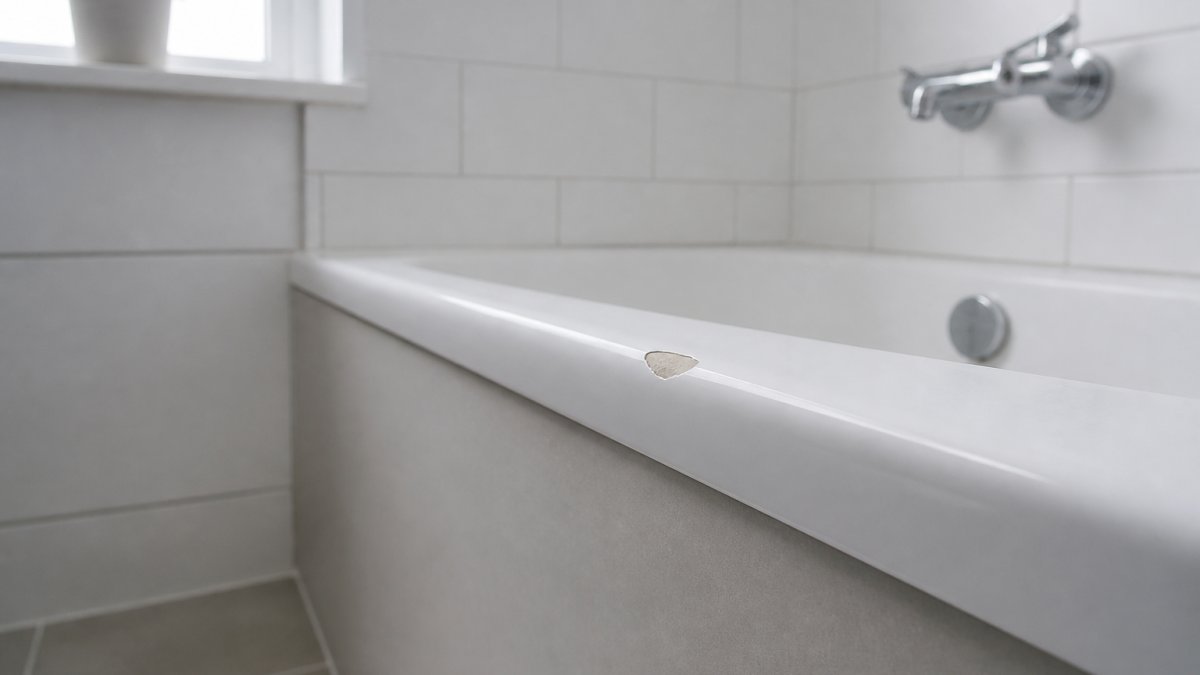
Minor cosmetic damage in a new home is any surface mark, chip, scratch or blemish that affects appearance but not safety or structural performance. It is the kind of thing you spot the moment you walk into a finished room: a chipped bath edge, a scratched worktop, a scuff on a door frame.
New-build snagging lists fill up with exactly these items. Surface Magic Repairs, a Bolton-based surface repair specialist, sees them every week on handover visits across Greater Manchester and the wider North West.
Typical examples include:
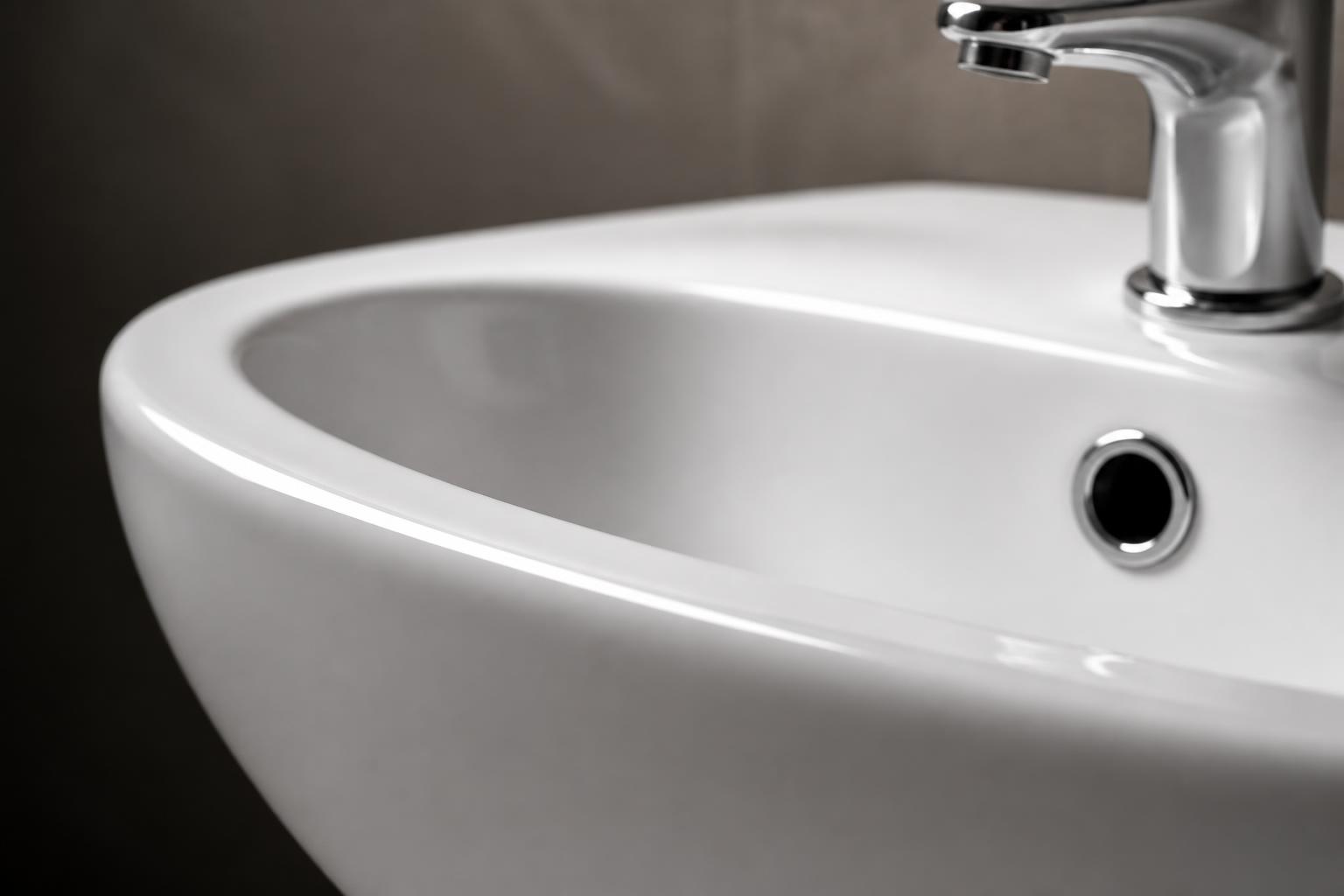
- Chipped enamel or acrylic baths and shower trays
- Scratched laminate or solid-surface worktops
- Chipped tiles and crumbling grout lines
- Scuffed or scratched uPVC window frames and doors
- Dented panels, doors and fitted furniture
- Paint marks, scuffs and small impact damage
Most of these are classed as cosmetic because the item still works. The surface has not failed. It simply looks worn before the home has even been lived in.
How to Report New-Build Defects to Your Housebuilder
Report new-build defects in writing during your snagging inspection, ideally before you complete or within the builder's stated defects period. Photograph everything, note the room and item, and keep a dated copy of what you send.
Speed matters. The sooner a housebuilder knows about cosmetic damage, the easier it is to get it fixed before furniture arrives and access gets awkward.
What to Include in Your Snagging Report
A good snagging report is boring and precise. That is the point. Vague reports get vague responses.
Include the following for every item:
- Room name and exact location
- What the defect is (chip, scratch, crack, stain)
- Which surface it affects (bath, worktop, tile, frame)
- A clear photograph, close up and in context
- Your name, plot number and date
Send it by email so you have a record. Keep a spreadsheet or list and tick items off as they are resolved.
NHBC and Warranty Cover: What Is and Is Not Included
Warranty cover handles structural problems and certain defined defects, not every mark on every surface. Cosmetic damage is often excluded once it falls outside the builder's own defects period.
The NHBC guidance for new home buyers explains what its Buildmark cover includes and, just as importantly, what it does not. Read it before you assume a scratched worktop is a warranty claim.
New-Build Snagging Repairs: What Housebuilders Will and Will Not Fix
Housebuilders will usually fix cosmetic damage they caused during construction, as long as it is reported within the defects period. They will not fix damage caused after handover, wear and tear, or items you damaged yourself while moving in.
Where they do act, some builders send their own team. Others bring in a specialist surface repair company to complete the work on site. That second route is common because it avoids ripping out a bath or worktop over a small chip.
What typically gets fixed:
- Chips and scratches from site traffic
- Paint and plaster marks on finished surfaces
- Damaged tiles and grout from installation
- Scuffed frames, sills and doors
What usually does not:
- Damage from your own furniture or removals
- Marks that appeared months after handover
- Anything outside the defects period
Honest assessment matters here. If a surface is badly cracked or structurally compromised, replacement may be the better answer. A repair should restore appearance and usability, not hide a failing item.
Bath Chip Repair in a New Home: What to Expect
Bath chip repair restores a damaged bath in place, usually within a couple of hours, without removing the bath or disturbing the surrounding tiles. A technician cleans the area, fills the chip, rebuilds the shape, matches the colour and applies a hard-wearing finish.
The result depends on the material and the depth of the damage. A deep crack that has compromised the shell may need a different conversation.
Here is how a typical bath chip repair runs:
- Clean and prepare the damaged area
- Fill and rebuild the chip to match the original profile
- Colour match to the surrounding surface
- Apply and cure a protective finish
- Polish and check the blend
The bath stays where it is. No strip-out, no retiling, no waiting days for a replacement to arrive.
Worktop Scratch Repair: Restoring Laminate and Solid Surfaces
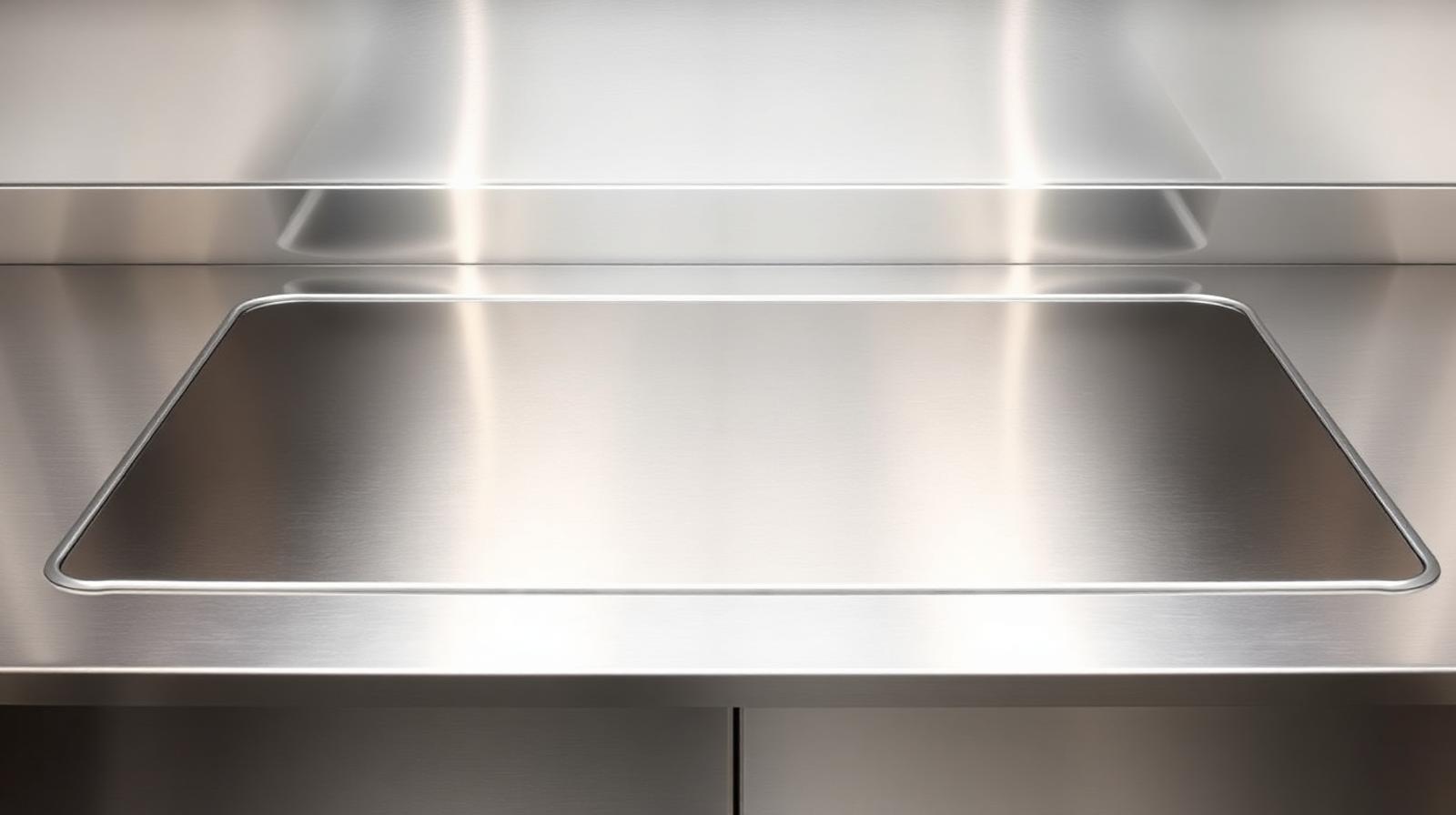
Worktop scratch repair removes or disguises surface damage on laminate, solid-surface and, in some cases, stone worktops. The method depends on how deep the scratch goes and what the surface is made of.
Deeper gouges need filling and colour matching. Solid-surface worktops can sometimes be sanded and re-polished to blend the repair.
Burns are a different problem. A burn that has gone through the decorative layer usually means the worktop needs replacing.
| Surface | Common Damage | Repair Approach | Usually Repairable? |
|---|---|---|---|
| Laminate worktop | Scratches, light burns | Fill, colour match, refinish | Often, if shallow |
| Solid surface | Scratches, chips | Sand, fill, polish | Usually |
| Quartz or stone | Chips, small marks | Assess, fill, blend | Subject to assessment |
| uPVC frame | Scuffs, scratches | Clean, fill, respray | Often |
| Ceramic tile | Chips, cracks | Colour match, fill | Cosmetic chips only |
The honest answer is that suitability depends on the material, the depth and the location. A worktop scratch near the sink gets more abuse than one in a quiet corner, and that affects how long a repair will last.
Other Common Cosmetic Defects and How They Are Repaired
Other cosmetic defects follow the same principle: assess the material, repair in place where possible, and replace only when the damage justifies it. Tiles and uPVC frames are two of the most common.
Chipped Tiles and Grout Damage
A technician fills the chip, matches the colour and pattern, and refinishes the area so it blends with the surrounding tiles.
Cracked tiles are different. If the tile has cracked through, the crack usually returns, and replacement is the more durable option.
Scratched uPVC Frames and Doors
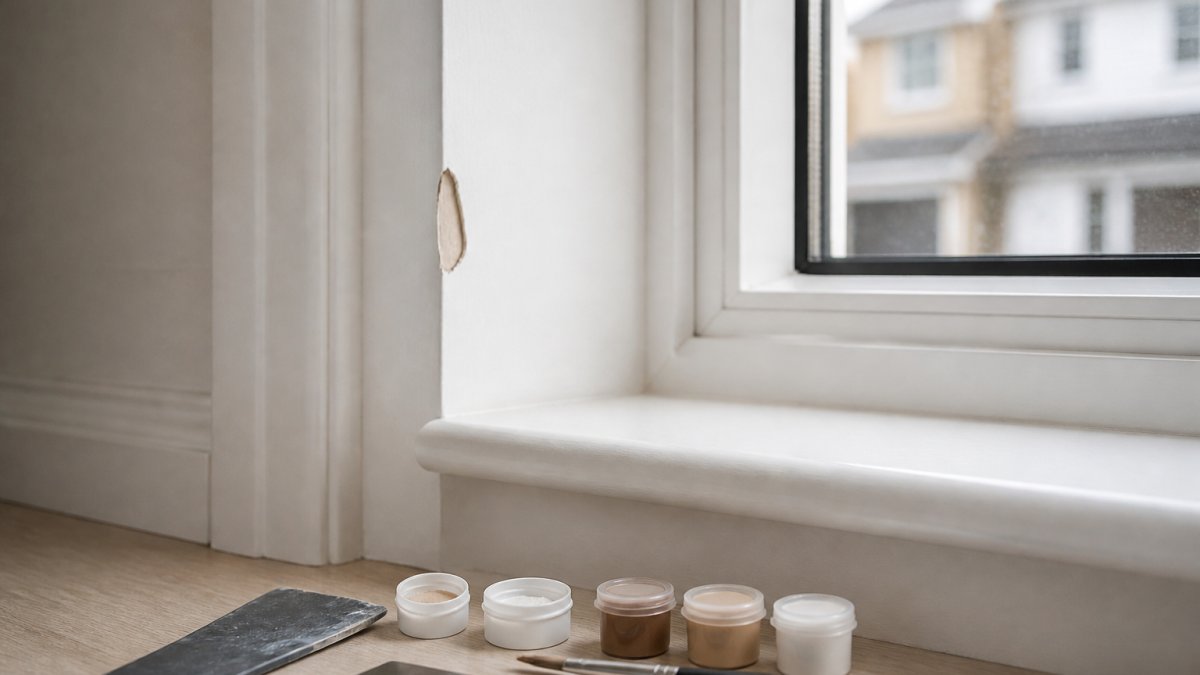
The surface is cleaned, any gouges are filled, and the frame is resprayed and refinished to match.
This is far less disruptive than fitting new frames. There is no glazing work, no making good around the reveal, and no waiting for a fabrication lead time.
Repair or Replace? How to Decide for Minor Cosmetic Damage
Repair is usually the better choice when the damage is cosmetic, the item is otherwise sound, and the surface can be colour matched. Replace when the damage is structural, the item has failed, or a repair would not last.
Use this simple test:
- Is it cosmetic only? If yes, repair is likely suitable.
- Is the item structurally sound? If no, replacement is safer.
- Is the material repairable? Some finishes respond better than others.
- How much disruption does replacement cause? Removing a bath or worktop means retiling, resealing and redecorating.
- What is the waste cost? Replacement sends a serviceable item to landfill.
But we will always say so if replacement is the more sensible route. An honest assessment beats a repair that fails in six months.
When to Call a Professional for Cosmetic Damage Repairs
Call a professional when the damage needs colour matching, filling or refinishing that you cannot achieve with a DIY kit. Specialist coatings and colour work are easy to get wrong, and a poor repair is more visible than the original chip.
DIY filler and touch-up pens can work on tiny marks. They rarely blend on a visible surface like a bath or worktop. The colour is slightly off, the texture does not match, and the repair stands out under bathroom lighting.
Surface Magic Repairs handles this work in place for homeowners, landlords, housebuilders, hotels and property managers. The team has completed more than 46,000 surface repairs in the last year alone, across domestic and commercial sites.
Get a professional involved when:
- The damage is on a highly visible surface
- The colour or pattern needs matching
- The item cannot easily be removed
- You need a fast turnaround before handover or a guest arrival
- The surface is one you are not sure is repairable
Preparing for Your Repair: What Photographs and Information to Send
Send clear photographs of the damage, the complete item and the surrounding area, together with your full address and postcode. That is usually all a repair specialist needs to assess suitability and provide a quotation.
Good photos make the whole process faster. Here is what to capture:
- A close-up of the damage, in focus
- A wider shot of the whole item (bath, worktop, door)
- The surrounding area, so colour and pattern can be judged
- One photo in natural light if possible
Then send the details:
- Your full address and postcode
- The number of items needing repair
- Any access notes (occupied property, site hours, parking)
- Your preferred timeframe
For domestic work further from Bolton, send the job details and postcode so availability can be checked. Commercial, multi-site and portfolio projects can be scheduled nationwide.
You can reach Surface Magic Repairs on 0800 085 7773 or at surfacemagicrepairs.co.uk.
Cosmetic damage in a new home is frustrating, but it rarely means replacement. Most chips, scratches and scuffs can be repaired in place, colour matched and refinished to blend with the surrounding surface. Surface Magic Repairs offers honest assessments, in-place repairs with no strip-out, and professional colour and finish matching for homes and commercial properties alike. Send your photos, address and postcode, and we will tell you whether a repair is suitable and provide a quotation. Get started with Surface Magic Repairs and sort your snagging list without the disruption of replacement.
Frequently Asked Questions
What counts as minor cosmetic damage in a new home?
Minor cosmetic damage covers chips, scratches, scuffs, small cracks, light dents, burn marks and surface staining that affect appearance but do not compromise the function or safety of a fixture or surface. Typical examples include a chipped bath edge, a scratched laminate worktop, a scuffed uPVC window frame or a chipped tile. It does not include structural defects, water ingress or problems with electrics and plumbing, which fall under a different reporting process.
Should I report cosmetic damage to the housebuilder before attempting a repair?
Yes. Report the damage during your snagging inspection or within the defect liability period, which is typically two years for most new-build warranties. If you arrange your own repair before the housebuilder has assessed the issue, you may lose the right to have it rectified under warranty. Once the housebuilder has confirmed they will not address it, or the warranty period has ended, you can arrange a professional repair independently.
Can chips and scratches in a new-build bath or worktop be repaired?
Bath chip repair involves filling the damaged area, colour matching the enamel or acrylic finish and polishing it to blend with the surrounding surface. Worktop scratch repair follows a similar process, whether the surface is laminate, solid-surface or quartz. Suitability depends on the depth of the damage, the material and its location. A professional assessment is the best way to confirm whether a repair will hold up.
How long does a cosmetic surface repair usually take?
Most individual cosmetic repairs, such as a bath chip or a worktop scratch, are completed in a single visit and often within a few hours. Multiple repairs across one property can usually be grouped into the same appointment. The exact time depends on the number of defects, the materials involved and the finish required. Surface Magic Repairs completes most work on site without removing fixtures, so there is minimal disruption to the home.