Table of Contents
- What Counts as a Cosmetic Defect in a New Build?
- The Most Common Cosmetic Defects Found at Handover
- Building a New Build Snagging List That Gets Results
- Are Cosmetic Defects Covered by Your New Build Warranty?
- Repairing New Build Surface Damage Instead of Replacing It
- Cosmetic Defect Rectification for New Build Developments
- When a Surface Should Be Replaced Rather Than Repaired
- Frequently Asked Questions
Last Updated: September 16, 2026
What Counts as a Cosmetic Defect in a New Build?
A cosmetic defect is any visible imperfection in a new build's finish that does not affect the structural integrity or safety of the property. Chips, scratches, scuffs, dents, uneven sealant lines, paint blemishes and surface marks all fall into this category. Most buyers find several of these on handover day.
This guide from Surface Magic Repairs covers the defects that come up most often, how to document them properly, and why repairing new build surface damage is usually the smarter route than replacement. The scale of the issue is considerable: the Home Builders Federation's latest new home snagging survey has consistently found that the average new home carries a snagging list running into double figures, and cosmetic issues dominate that list.
Cosmetic defects matter because they shape how a property feels from day one. A chipped bath or scratched worktop in a brand-new home undermines the whole purchase. The good news is that most of these defects are repairable in place, without ripping anything out.
Below, we break down what counts, what to do about it, and how to get a snagging list that actually gets results.
The Most Common Cosmetic Defects Found at Handover
The most common cosmetic defects at handover cluster around four areas: sanitaryware, worktops and tiling, frames and doors, and painted finishes. Knowing what to look for makes the inspection far quicker.
Baths, Shower Trays and Sanitaryware
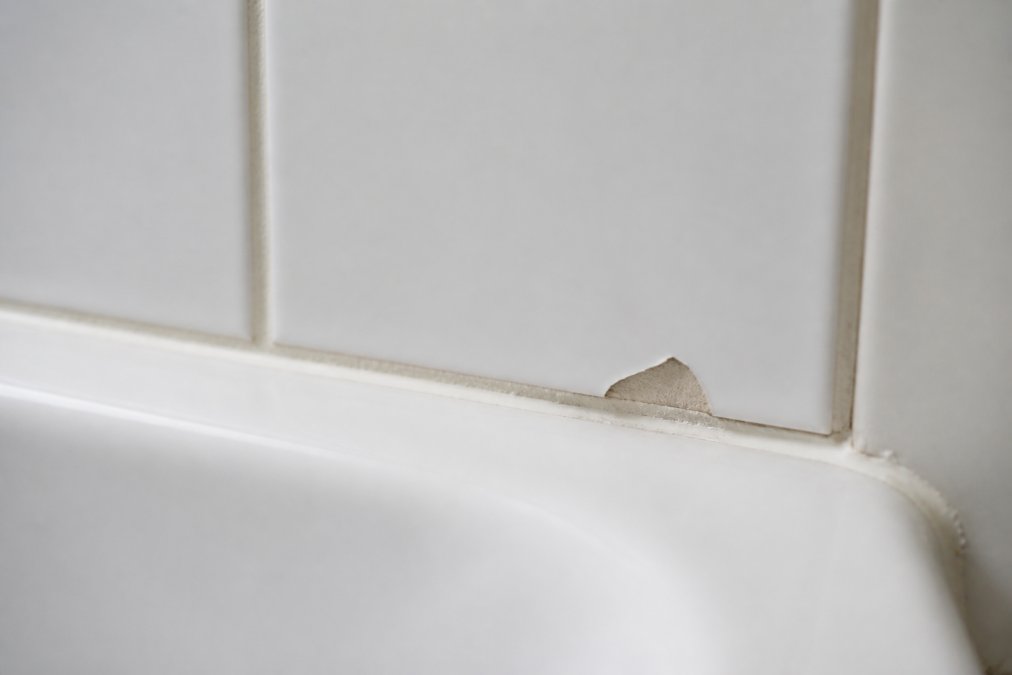
Baths and shower trays take the most punishment during a build. Trades walk through bathrooms, tools get dropped, and protective films come off to reveal chips, scratches and scuffs underneath. A chipped bath enamel edge or a scratched shower tray is one of the most frequent entries on any new build snagging list.
Sinks and sanitaryware pick up similar damage. Small chips around the waste, hairline scratches on basins and marked pedestals are all common. Left unaddressed, a chipped surface can trap dirt and look worse over time.
Worktops, Tiles and Fitted Furniture
Kitchen worktops attract damage from installation onwards. Cuts, chips, scorch marks and scratches appear on laminate, solid-surface and stone worktops alike. Tiles crack or chip at edges, particularly where cut tiles meet trims. Fitted furniture picks up dents, scratches and scuffed edges, especially on doors and drawer fronts.
These are cosmetic defects, but they are highly visible ones. A kitchen is the first room a buyer inspects closely.
uPVC Frames, Doors and Painted Finishes
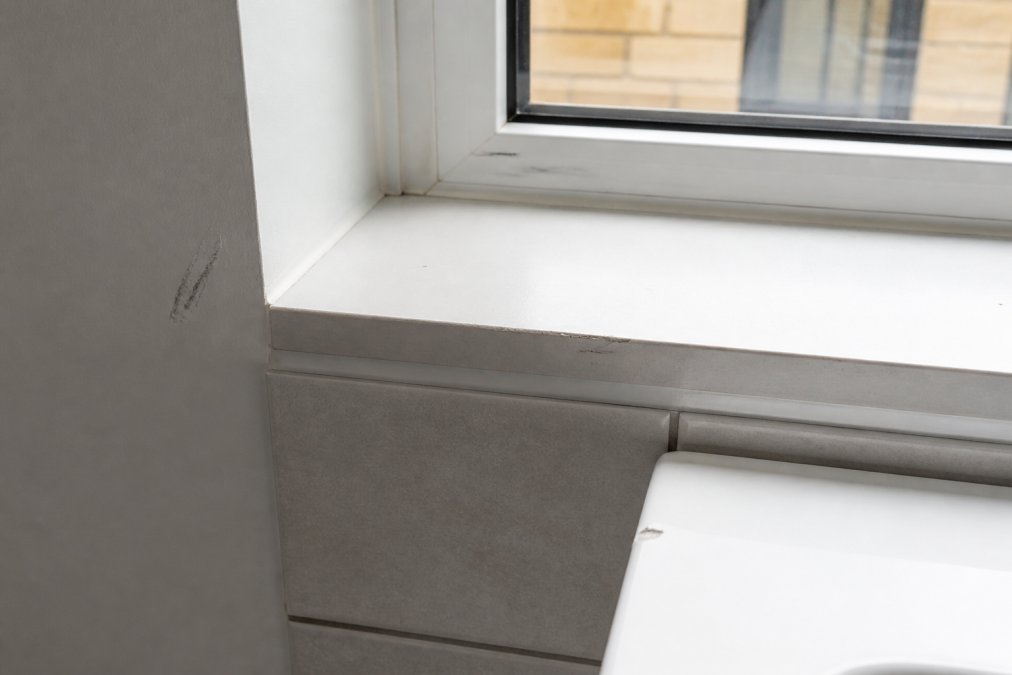
uPVC window frames and cills scratch easily during transit and fitting. Scuffs on frames, damaged cills and scratched glass are all common. Doors and door frames pick up knocks, dents and paint damage from moving materials through the property.
Painted finishes round out the list. Scuffs, roller marks, uneven edges and filled areas that show through the topcoat are typical. None of these affect how the building performs, but they all affect how it looks.
Building a New Build Snagging List That Gets Results
A new build snagging list works best when it is specific, photographed and submitted in writing. Vague entries like "bath damaged" get pushed down the queue. Precise entries with evidence get fixed.
Here is a practical approach that housebuilders and buyers both respond to:
- Inspect room by room, ideally in daylight
- Photograph every defect, plus a wider shot showing where it sits
- Note the exact location: room, item, and position on the item
- Describe the damage in plain terms: chip, scratch, dent, burn, crack
- Number each entry so it can be tracked through to completion
- Submit the list in writing and keep a dated copy
- Agree a rectification window and a follow-up date
A simple table helps keep the list manageable:
| Defect | Location | Action Needed | Priority |
|---|---|---|---|
| Chipped bath edge | Main bathroom, left corner | Surface repair | High |
| Scratched worktop | Kitchen, near hob | Surface repair | High |
| Scuffed uPVC cill | Bedroom 2, front window | Cosmetic repair | Medium |
| Paint scuff | Hallway, skirting | Touch-up | Low |
Are Cosmetic Defects Covered by Your New Build Warranty?
Cosmetic defects are typically covered during the initial defects period, not by the long-term structural warranty. The two are separate, and buyers often confuse them.
Most new builds come with a defects liability period, commonly the first two years, during which the builder is responsible for putting right defects reported in writing. The longer structural warranty, usually ten years, covers structural issues rather than cosmetic ones. The NHBC guidance on new home warranties sets out how the buildmark cover splits between the two periods, and it is worth reading before you submit anything.
Two practical points catch people out. First, cosmetic defects must be reported within the defects period, and late reports can be refused. Second, the builder decides whether to repair or replace, so it helps to know what is reasonable.
That said, not every cosmetic issue is the builder's responsibility. Damage caused after handover, by moving furniture or by the buyer's own trades, sits with the owner. Being clear about the boundary avoids arguments.
Repairing New Build Surface Damage Instead of Replacing It
Repairing new build surface damage is often faster, cheaper and less disruptive than replacement. A chipped bath does not need to come out. A scratched worktop does not need to be reordered. The repair happens in place.
Surface Magic Repairs specialises in exactly this work. The team repairs chips, scratches, cracks, dents, burns and staining to baths, shower trays, sinks, worktops, tiles, uPVC frames, doors and fitted furniture, matching the colour and finish to the surrounding surface. With more than 46,000 surfaces repaired in the last year and over 25 years of combined trade experience, the company works with housebuilders, developers, contractors and homeowners across the North West and on commercial projects nationwide.
The process is straightforward. Depending on the job, the technician prepares the damaged area, rebuilds or fills it, reproduces the colour and texture, and applies a suitable finish. No strip-out, no knock-on tiling, no redecorating.
Cosmetic Defect Rectification for New Build Developments
Cosmetic defect rectification for new build developments is a different job from a single domestic repair. It is about volume, scheduling and keeping a site moving. Developers and contractors need a repairer who can attend multiple plots, work around other trades, and close out snags without holding up completions.
Surface Magic Repairs handles this by assessing multiple damaged surfaces across different units in a single visit, working alongside site managers and customer-care teams. For developments with a long snagging list, a planned programme spreads repairs across phases so nothing is left until the last week before handover.
The commercial case is simple. Replacing a chipped bath or a damaged worktop means ordering a new unit, booking a fitter, and potentially redoing tiling and sealant. Repairing it in place can remove every one of those steps and keeps the original material out of a skip.
When a Surface Should Be Replaced Rather Than Repaired
Replacement is the right call when the damage is structural, when the material has failed, or when a repair would not hold up in service. Not every surface can be repaired, and honest assessment matters more than a quick sale.
Surface Magic Repairs will say so directly if replacement is the more sensible option. The factors that push a decision towards replacement include:
- Cracks that run through the full thickness of the material
- Damage around a structural fixing or load-bearing point
- Materials that have delaminated, swollen or broken down
- Damage in an area that will take heavy daily wear
- Repairs where the surrounding pattern cannot be matched closely enough
For everything else, repair is usually the practical choice. A chipped bath, a scratched worktop, a scuffed frame or a marked tile can normally be restored to a finish that blends with the surrounding surface, provided the damage is cosmetic rather than structural.
That distinction is the whole point. Repair what is cosmetic, replace what is genuinely compromised, and get a straight answer on which is which.
Cosmetic defects are a normal part of buying or handing over a new build, but they do not have to mean replacement. Surface Magic Repairs restores chipped baths, scratched worktops, damaged tiles, scuffed uPVC frames and marked furniture in place, with colour and finish matched to the surrounding surface and far less disruption than a strip-out. The team works with homeowners, landlords, housebuilders, developers and facilities managers, and can assess multiple repairs across a development in one visit.
Send clear photographs of the damage, the complete item and the surrounding area, together with your full address and postcode. Surface Magic Repairs can assess whether a repair is suitable and provide a quotation. Call 0800 085 7773 or visit surfacemagicrepairs.co.uk to get started.
Frequently Asked Questions
What are considered cosmetic defects in a new build?
Cosmetic defects are surface-level imperfections that affect appearance rather than structure or safety. Typical examples include chips to baths and tiles, scratches on worktops or glass, scuffs to doors and skirting, uneven paintwork, damaged uPVC frames and marks on fitted furniture. They do not compromise how the property performs, but they are visible and should be recorded on a snagging list before or shortly after handover.
Are cosmetic defects covered under new build warranties?
Most new build warranty providers cover structural issues for a set period, but cosmetic defects are usually handled separately through the builder's customer-care process. The NHBC and similar providers often expect cosmetic items to be reported within the first few days or weeks after legal completion, so report them promptly. Your warranty booklet sets out the exact timescales and what counts as a cosmetic exclusion.
How do I report cosmetic snags to my housebuilder?
Photograph each defect clearly, note its location room by room, and submit the list in writing through the customer-care portal or by email. Keep a dated copy. Grouping items by trade, such as plumbing, tiling and decoration, helps the site team schedule them efficiently. If you have a new build snagging list prepared by an independent inspector, attach it so nothing is missed.
Is it better to repair or replace cosmetic damage in a new home?
In many cases, repairing new build surface damage is faster, cheaper and less disruptive than replacement. A chipped bath, scratched worktop or marked tile can often be colour matched and refinished in place without removing the item or disturbing surrounding finishes. Replacement only makes sense when the damage is structural, the material cannot be matched, or the surface is no longer fit for purpose.