Table of Contents
- What Counts as a Cosmetic Defect in the Defect Liability Period
- How the New Build Snagging List Process Works
- Who Is Responsible for Managing Cosmetic Repairs
- Repair Versus Replace for New Build Snags
- Communicating With Developers and Contractors
- Managing Contractor Snagging Lists Across Multiple Units
- What to Photograph Before Booking a Cosmetic Repair
- When a Cosmetic Repair Is Not the Right Answer
- Frequently Asked Questions
Last Updated: 14 September 2026
What Counts as a Cosmetic Defect in the Defect Liability Period
Managing cosmetic repairs during the defect liability period starts with knowing exactly what you are looking at. The defect liability period is the window after practical completion when the housebuilder or main contractor remains responsible for putting right defects reported by the buyer (In the first two years of the policy | Buildmark cover). Cosmetic defects are surface-level faults that affect appearance rather than structural performance or safety.
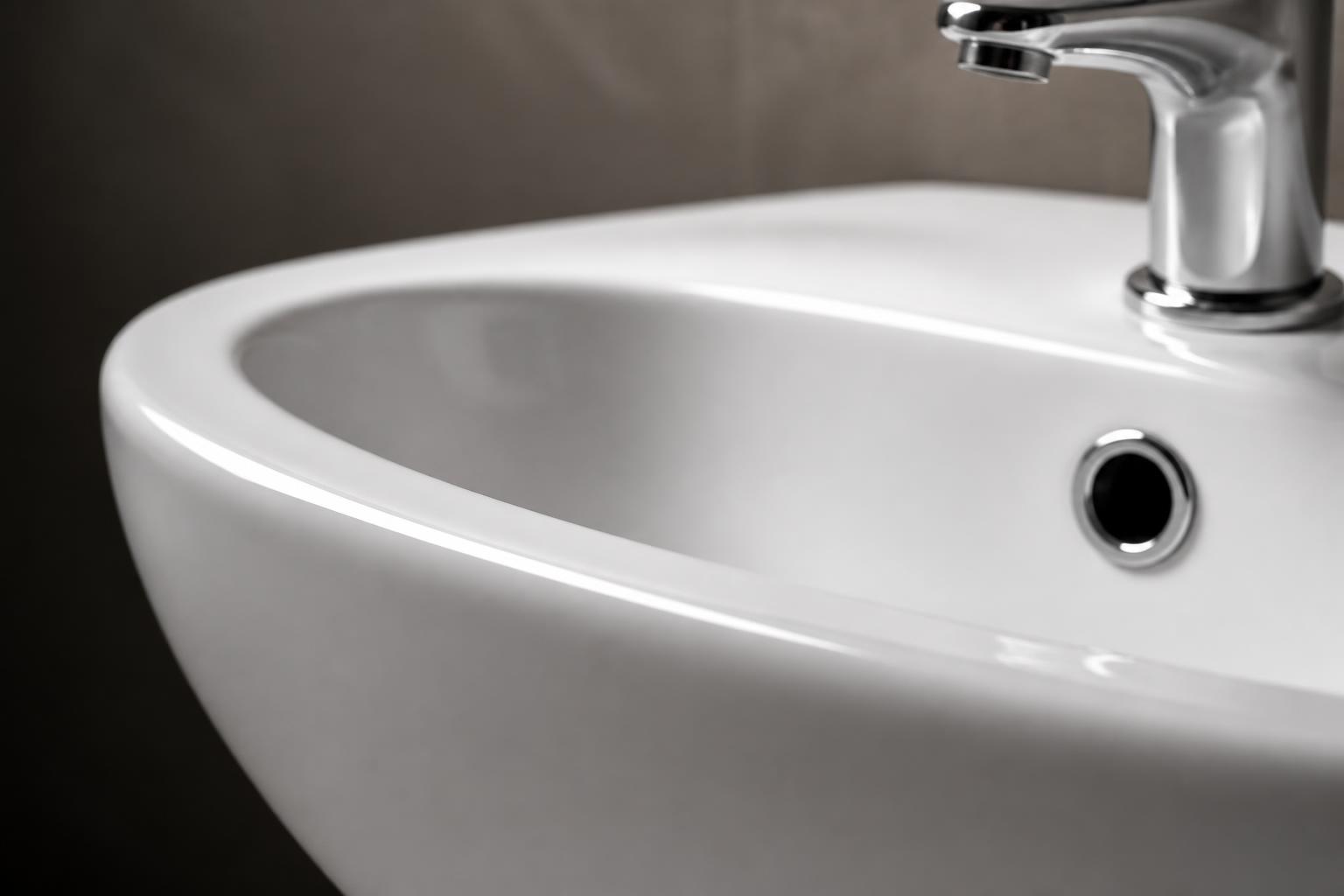
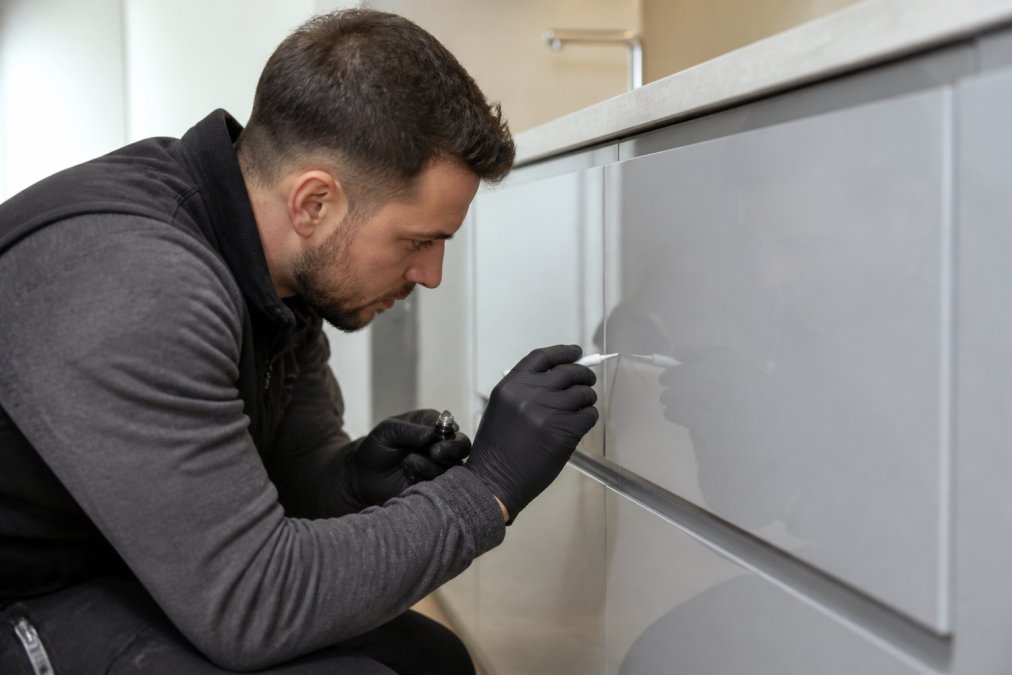
Typical examples include chips to bath edges, scratches on worktops, scuffed doors, cracked tiles, marked uPVC frames and minor damage to fitted furniture. These are exactly the defects that Surface Magic Repairs deals with daily across new-build developments.
The NHBC guidance on what counts as a defect confirms that builders are generally expected to rectify defects reported within the first two years, with structural elements covered for longer. That distinction matters because it determines who pays and who acts.
Cosmetic Versus Structural Defects
A structural defect affects the stability, load-bearing capacity or weatherproofing of the building. Cracks in foundations, roof failure or subsidence fall into this category, and they carry far longer protection periods.
A cosmetic defect affects how a surface looks or performs day to day. A chipped enamel bath, a burnt laminate worktop or a scratched internal door are all cosmetic. They do not threaten the building, but they do affect satisfaction, handover sign-off and, in commercial settings, whether a unit can be let or sold.
The practical difference is who fixes it and how quickly. Structural issues tend to involve engineers and longer programmes. Cosmetic issues are usually resolved by a specialist repair visit, often within a single appointment.
How the New Build Snagging List Process Works
The new build snagging list process is the formal record of defects found after completion and the mechanism for getting them resolved. It begins with an inspection, either by the buyer or a professional snagging surveyor, and ends when each item is signed off as complete.
Most housebuilders run a structured customer care system. You report defects, they are logged, assessed and assigned, then a trade or specialist attends to put them right. The official guidance on buying a new build home sets out the buyer's rights and the routes available if a developer does not respond.

The timeline usually runs like this:
- Inspection: buyer or surveyor walks the property and records every defect
- Reporting: the list is submitted to customer care, often through a portal
- Assessment: the developer reviews each item and confirms whether it is covered
- Scheduling: trades are booked, sometimes in batches across multiple plots
- Rectification: repairs are carried out, ideally in one visit where possible
- Sign-off: the buyer confirms the item is resolved, or it is escalated
Reporting and Logging Cosmetic Damage
Cosmetic damage should be logged with a clear description and a photograph for each item. Vague entries like "damage to bathroom" get bounced back or delayed because the developer cannot assess them.
Number every item, note the room, describe the surface and the type of damage, and attach a dated photo. If you are managing multiple units, keep a separate sheet per plot with the same structure. This single habit prevents most disputes later.
Who Is Responsible for Managing Cosmetic Repairs
Responsibility depends on where you sit in the chain. During the defect liability period, the housebuilder or main contractor is normally liable for defects caused by their work or their subcontractors. Once that period ends, the owner or landlord carries the cost.
For homeowners, the developer handles reported defects through customer care. For landlords and letting agents, the same applies during the liability period, but after handover the responsibility shifts to you and your maintenance budget.
For property managers and facilities teams running commercial or multi-unit sites, the picture is more complex. You may be coordinating between the developer, the managing agent and the occupier. Clear records of what was reported and when are what protect you if a dispute arises.
Surface Magic Repairs works with housebuilders, developers and property managers on exactly this kind of defect rectification, handling multiple repairs across units in a single visit where possible.
Repair Versus Replace for New Build Snags
Repair versus replace for new build snags comes down to three questions: is the surface structurally sound, is it repairable to a good standard, and does replacement create knock-on work? A chipped bath that is otherwise intact is almost always a repair candidate. A cracked shower tray with movement behind it may not be.
Replacement usually means strip-out, disposal, a new unit, re-sealing, and often re-tiling or re-decorating around it. That is a lot of cost and disruption for a defect that a specialist repair can resolve in place. Repair also avoids the waste of a serviceable item going to landfill.
| Situation | Better Option | Why |
|---|---|---|
| Chip or scratch on an intact bath | Repair | Surface is sound, finish can be matched |
| Burn or stain on a laminate worktop | Repair | Cosmetic damage, no structural issue |
| Cracked tile with no movement | Repair | Colour and pattern can be reproduced |
| Cracked shower tray with flex underneath | Assess first | Movement may cause repeat failure |
| Cracked sanitaryware with structural crack | Replace | Integrity compromised, repair not durable |
Honest assessment matters here. Surface Magic Repairs will tell you when replacement is the more sensible route rather than push a repair that will not last.
Communicating With Developers and Contractors
Clear communication is what keeps a snagging list moving. Developers and contractors handle hundreds of items across dozens of plots, so anything that makes their job easier gets resolved faster.
Keep everything in writing, even if you also discuss it by phone. Reference item numbers, attach photos, and state the access arrangements clearly. If you are a contractor managing your own handover, agree a single point of contact on both sides.
For commercial clients, batch the communication. A single list covering all units with photos and locations is far more useful than a stream of individual messages. This is where a specialist repair partner helps, because they can assess the whole list and quote for the work in one go.
Managing Contractor Snagging Lists Across Multiple Units
Managing contractor snagging lists across multiple units requires a system, not memory. On a development with dozens of plots, defects repeat in patterns: the same bath chip in the same position, the same worktop burn from a careless handover.
Group defects by type and by location. That way a specialist can attend once and resolve every similar item across several units, which cuts travel, cost and disruption. It also gives you a clear picture of which trades are causing repeated damage.
A simple tracker works:
- Plot number and address
- Room and surface affected
- Damage type and severity
- Date reported and photo reference
- Assigned trade or specialist
- Date completed and signed off
For portfolios and multi-site commercial work, Surface Magic Repairs can attend scheduled visits and work through a list across many units, keeping handover dates on track.
What to Photograph Before Booking a Cosmetic Repair
Photographs are usually all that is needed to get an accurate quotation. A specialist can assess suitability, likely approach and scope from good images without an initial site visit.
Take three shots per defect: a close-up of the damage, a mid-range shot of the whole item, and a wider shot showing the surrounding area and finish. Good lighting helps, so open curtains or use a bright room rather than a flash.
Include your full address and postcode with the images. For domestic jobs further from the Bolton base, this lets availability be checked honestly before anything is booked. Send photos to Surface Magic Repairs and the team can confirm whether a repair is suitable and provide a quotation.
When a Cosmetic Repair Is Not the Right Answer
Not every defect should be repaired, and saying so is part of doing the job properly. If a surface is structurally compromised, if there is movement behind it, or if the damage is so extensive that a repair would be visible or short-lived, replacement is the better call.
Materials matter too. Some finishes and patterns are easier to match than others, and heavily textured or highly patterned surfaces may not blend perfectly. Honest advice up front saves everyone time and money.
The right approach is assessment first, recommendation second. A specialist who tells you when to replace is more useful than one who promises every repair will be invisible. Surface Magic Repairs gives that honest assessment before any work is booked, so you can make a sensible decision with realistic expectations.
Cosmetic defects during the defect liability period are manageable when you log them properly, communicate clearly and choose repair over replacement where it genuinely makes sense. Surface Magic Repairs handles new-build snagging and handover repairs in place, with colour and finish matched to the surrounding surface, no strip-out required, and far less disruption than replacement. With more than 46,000 surfaces repaired in the last year and a team carrying over 25 years of combined trade experience, Surface Magic Repairs works with homeowners, developers, contractors and property managers across the region and on nationwide commercial projects. Send clear photographs of the damage, the complete item and the surrounding area, together with your full address and postcode, to info@surfacemagicrepairs.com or call 0800 085 7773. Surface Magic Repairs can assess whether a repair is suitable and provide a quotation.
Frequently Asked Questions
What is the defect liability period in construction?
The defect liability period is the window after practical completion when the contractor is responsible for fixing defects that appear in the finished work. In most new-build residential developments it runs for 12 months, though it can be longer on commercial contracts. During this time, cosmetic damage such as chips, scratches and marks should be reported through the developer's customer-care or site team so it can be logged and rectified before the period ends.
Are cosmetic defects covered under the defect liability period?
Yes, cosmetic defects are normally covered, provided they are reported within the defect liability period and are not the result of homeowner damage or fair wear and tear. This includes chipped baths, scratched worktops, marked tiles, scuffed doors and damaged uPVC frames. What matters is how the snag is logged and whether it is repaired or replaced. A specialist surface repair is often the quickest route to closing the item.
Can professional surface repair companies assist with snagging lists?
Yes. Surface repair specialists can attend site, assess multiple damaged surfaces across different plots in one visit, and repair chips, scratches, burns and marks in place. This avoids the strip-out and reordering that replacement involves. Surface Magic Repairs handles new-build snagging and handover repairs for housebuilders and developers, with more than 46,000 surfaces repaired in the last year. Send photographs and plot details for an assessment.
How does repairing cosmetic damage reduce construction waste?
Replacing a chipped bath, scratched worktop or marked tile means removing a serviceable item and sending it to landfill, then ordering, delivering and fitting a new one. A cosmetic repair keeps the original fixture in place, so the material stays out of the waste stream and no new product is manufactured or transported. On a multi-plot development, that saving multiplies across every snag closed by repair rather than replacement.