Table of Contents
- What Does Snagging Mean in Property?
- New Build Snagging List Examples
- Understanding the Snagging Period for New Builds
- How to Report Snags to Housebuilders
- Snag vs Structural Defect: Knowing the Difference
- Professional Snagging Inspection Cost
- What to Do If the Housebuilder Ignores Your Snag List
- Frequently Asked Questions
Last Updated: September 7, 2026
What Does Snagging Mean in Property?
If you are buying a new-build home, you will likely hear the term snagging within days of your exchange date. Snagging is the process of identifying and listing minor cosmetic defects or unfinished work in a newly constructed property before you formally accept the keys. These are the small imperfections that occur during the build process, such as scratched worktops, chipped bath enamel, poorly fitted doors, or paint marks on UPVC frames.
Surface Magic Repairs deals with the aftermath of snagging every day, repairing the cosmetic damage that tops most lists. Understanding what does snagging mean in practice is the difference between a smooth handover and months of frustrating back-and-forth with your developer. The concept is straightforward: you inspect the property thoroughly, document every flaw, and submit the list for correction before moving in or completing the sale.
This guide explains the snagging process in detail, covering typical examples, the snagging period for new builds, how to report issues, and what to do when a housebuilder ignores your list.
New Build Snagging List Examples
A snagging list is simply a documented record of every defect you find during your inspection. Most new build snagging list examples fall into three categories: cosmetic damage, poor workmanship, and incomplete installation.
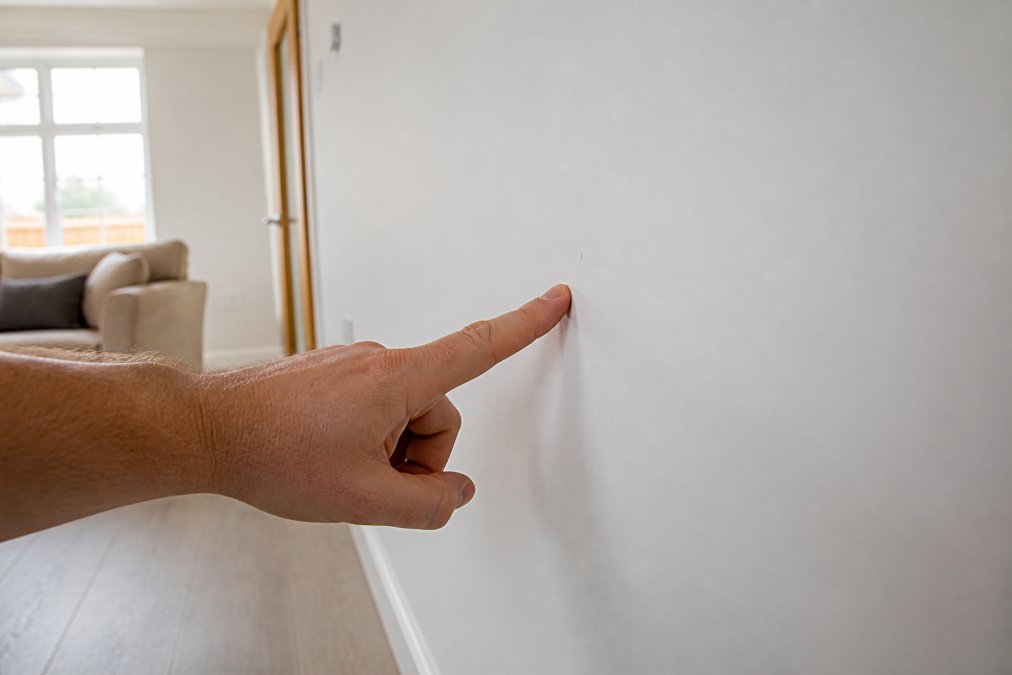
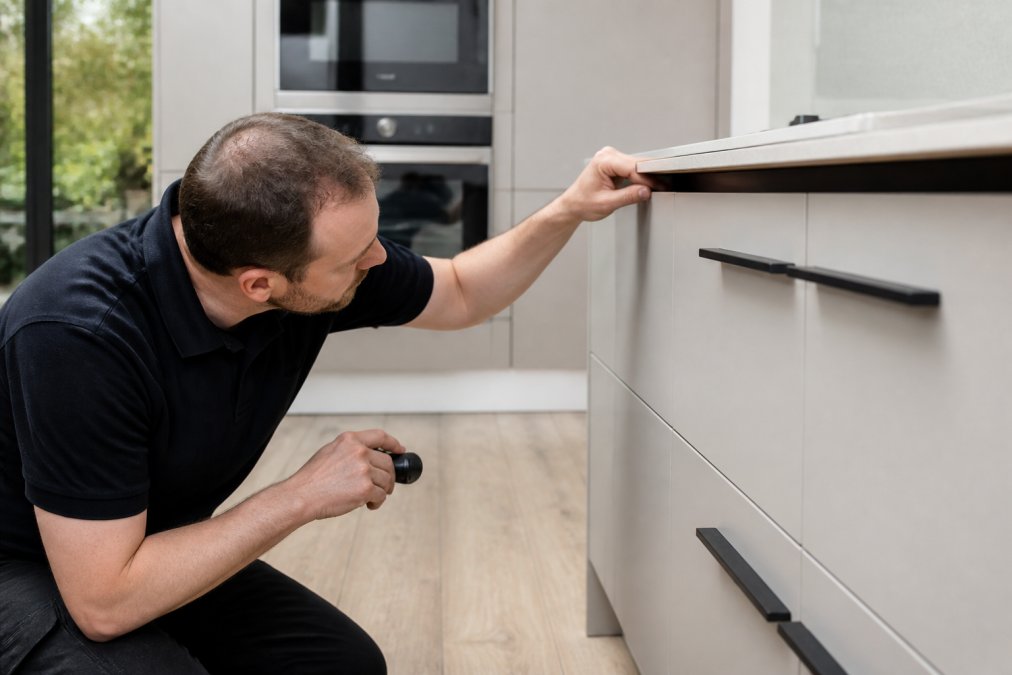
Common issues include scratched or chipped bath surfaces, cracked ceramic tiles, uneven grout lines, doors that stick or fail to close properly, and scuffed skirting boards. You might also spot sealant that has been applied unevenly around sinks and baths, or minor cracks where walls meet ceilings. Many buyers find scratches on worktops, damaged UPVC window frames, and poorly fitted kitchen units.
A thorough snagging list is your main tool for holding the developer accountable. Walk through each room systematically, checking every surface, door, window, and fitting. Take photographs and note the exact location of each issue. The more specific your list, the harder it is for the builder to dispute individual items.
Understanding the Snagging Period for New Builds
The snagging period for new builds is the window after completion during which the developer remains responsible for fixing defects. Most new build warranties, such as the NHBC Buildmark warranty scheme, cover structural issues for up to ten years, but cosmetic snags are typically dealt with in the first few months after handover.
In most cases, you have between two weeks and two months after completion to submit your snagging list, depending on your contract and the developer's policy. Check your purchase agreement carefully to confirm the exact deadline. Missing this window can mean you lose the right to have cosmetic defects corrected free of charge.
The snagging period is distinct from the structural warranty. While structural defects may surface years later, cosmetic snags are usually visible from day one. That is why the initial inspection matters so much. Do not rush it. Book your inspection as early as possible, and if the developer offers a pre-completion visit, take it.
How to Report Snags to Housebuilders
Knowing how to report snags to housebuilders effectively can save you weeks of delay. Start by compiling your written list with clear descriptions and photographs of each defect. Most developers have a dedicated customer-care team that manages snagging reports, so direct your submission through the official channel.
Submit your snagging list in writing, whether by email or through the developer's online portal. Keep a copy of everything you send, including dates and any reference numbers. A common mistake is relying on verbal agreements with site managers, which are difficult to enforce later.
After submission, the developer should arrange access for their trades to complete the repairs. Agree on a realistic timeline and request confirmation of when each item will be addressed. For cosmetic damage to baths, worktops, or tiles, many developers use specialist repair technicians who can complete fixes in situ rather than replacing entire units.
Snag vs Structural Defect: Knowing the Difference
Understanding the snag vs structural defect distinction helps you prioritise your concerns and know who is responsible for what. A snag is a cosmetic or minor finishing issue that does not affect the safety or integrity of the building. A structural defect is a problem that compromises the stability of the property, such as significant cracking in load-bearing walls, subsidence, or major roof issues.
Cosmetic snags include chipped enamel on a bath, scratched worktops, poorly fitted doors, and uneven paintwork. Surface Magic Repairs handles issues like these, restoring damaged surfaces. Structural defects, by contrast, require assessment by a qualified surveyor or structural engineer and are covered under the long-term warranty.
The distinction matters because the correction process differs. Cosmetic snags are fixed quickly by the developer's finishing team or a specialist repair technician. Structural defects trigger a more formal process involving inspections, reports, and potentially significant remedial work. If you are unsure whether an issue is cosmetic or structural, guidance from the Royal Institution of Chartered Surveyors recommends obtaining a professional opinion before the snagging period expires.
Professional Snagging Inspection Cost
Many buyers choose to hire a professional snagging inspector rather than conducting the inspection themselves. The professional snagging inspection cost varies depending on the size of the property and the level of detail required. A standard survey of a two or three-bedroom new build typically costs a few hundred pounds, while larger homes or more comprehensive inspections cost more.
Professional inspectors bring experience and a trained eye, often catching issues that first-time buyers miss. They produce a detailed report with photographs and prioritised findings, which carries more weight with developers than a DIY list. For many buyers, this cost is worthwhile given the potential expense of fixing defects privately later.
If your snagging list reveals cosmetic damage to hard surfaces, a specialist repair service can often resolve these issues far more cost-effectively than replacement. Repairing a chipped bath or scratched worktop in situ avoids the expense of removing the old unit, buying a new one, and paying for installation and any knock-on decorating or tiling work.
What to Do If the Housebuilder Ignores Your Snag List
When a housebuilder ignores your snag list, the situation can feel frustrating, but you have options. Begin by escalating the matter through the developer's customer-care department in writing, referencing your original submission and any agreed timelines. Persistence and clear documentation are your strongest tools.
If the developer remains unresponsive, check whether your property is covered by a warranty provider such as the NHBC, Premier Guarantee, or LABC. These organisations offer a formal resolution process for unresolved defects and can put pressure on the developer to act. The Consumer Code for Home Builders also sets out standards that registered developers must follow.
For cosmetic defects that the developer refuses to address, a professional repair service offers a practical alternative to lengthy disputes. Cosmetic repairs to baths, worktops, tiles, and UPVC frames can be completed in place with minimal disruption, restoring the surface's appearance without the cost and inconvenience of replacement. This approach is particularly valuable when you simply want the issue resolved so you can enjoy your new home.
| Issue | Typical Fix | Impact if Ignored |
|---|---|---|
| Chipped bath enamel | In situ cosmetic repair | Rust stains, visible damage |
| Scratched worktop | Colour-matched filler and refinish | Permanent marking, hygiene concerns |
| Cracked ceramic tile | Specialist filler or tile replacement | Spread of crack, moisture ingress |
| Poorly fitted door | Adjust hinges or plane edges | Draughts, security concerns |
Snagging is an inevitable part of buying a new build, but it does not have to be a source of stress. A careful inspection, a detailed list, and prompt reporting give you the best chance of having defects corrected quickly. When cosmetic damage needs resolving, Surface Magic Repairs restores baths, worktops, tiles, and other surfaces in place, reducing waste and disruption compared with full replacement. With 46,000+ surfaces repaired in the last year, Surface Magic Repairs has the experience to help restore your new home. Get an instant quote today and see how simple professional snagging repair can be.
Frequently Asked Questions
What is a snagging list in property?
A snagging list is a detailed record of minor cosmetic defects or unfinished work found in a newly built property. It typically includes issues like scratched glass, chipped worktops, poorly fitted doors, or uneven paintwork. Compiling this list helps you track problems to report to the housebuilder for correction under the snagging period for new builds.
Are cosmetic defects covered under the NHBC warranty?
The NHBC warranty primarily covers major structural defects, not minor cosmetic snags. You should report issues like chips, scratches, or poor finishing directly to your housebuilder during the snagging period for new builds. Builders are generally expected to fix these issues as part of their customer-care obligations, which is separate from the structural warranty.
Can I do my own snagging inspection?
Yes, you can do your own inspection, but a professional snagging inspection cost is often worthwhile for a thorough check. Professionals know what to look for and spot issues you might miss. If you do it yourself, bring a torch and a list of new build snagging list examples to guide you, and take photos as evidence.
How do I report snags to housebuilders effectively?
Submit a written snagging list to the site manager, ideally with photos and location details for each issue. Keep a copy for your records and agree on a reasonable timeline for fixes. If you have already moved in, check your warranty provider's rules, as some require you to report certain defects within a specific snagging period for new builds.