Quick Summary
A satin or washable eggshell finish is generally the most practical durable wall paint for busy households, especially in hallways and kitchens. Satin cleans easily and hides everyday scuffs better than high gloss, while washable matt suits living areas where a softer look is preferred.
- Satin is generally the sensible pick for hallways, kitchens and children's spaces because it tolerates regular wiping.
- Matt finishes are the least forgiving to clean and are best kept for ceilings and low-traffic bedrooms.
- Compare scrub-resistance figures on the technical data sheet, since terms like washable are not standardised.
- Even washable paint needs a proper primer and two coats to perform as intended.
- Protect skirting boards and door frames with a harder-wearing gloss or satin, where most impacts occur.
Table of Contents
- Why Wall Paint Wears Out Faster in Busy Households
- How Paint Finish Affects Durability
- Washable and Scrubbable Paints: Are They Worth It?
- Best Paint for Hallways and Landings
- Best Paint for Kitchens and Dining Areas
- Best Paint for Children's Rooms and Playrooms
- Surface Protection Options That Work Alongside Paint
- Comparing Durable Wall Paint Options at a Glance
- How to Repair Scuffed Wall Paint Without Repainting the Room
- Preparing Walls and Choosing Your Paint Sheen
- Understanding the Real Cost of Durable Paint
- When Professional Surface Repair Makes More Sense
- Choosing the Right Durable Paint for Your Home
- Frequently Asked Questions
Why Wall Paint Wears Out Faster in Busy Households
Wall paint in a busy home rarely fails all at once. It loses its finish gradually, through scuffs from shoes, marks from bags and prams, splashes in kitchens and fingerprints around switches and door frames. Over a few years, these small impacts add up to a tired-looking room that feels older than it is.
Several factors drive this. Traffic is the obvious one: hallways and landings take the brunt of daily movement, while kitchens add grease, steam and cleaning. Children and pets add impact and frequent wiping, and every clean with a damp cloth gradually dulls softer finishes. Surface type matters too, because a porous or poorly prepared wall absorbs marks rather than shedding them.
Understanding these causes helps you choose the right paint from the start. The sections below explain how finish, product type and preparation affect durability, and what you can do when scuffs appear between redecorations.
How Paint Finish Affects Durability
The sheen of a paint is the single biggest factor in how well it copes with wear. Lower-sheen paints hide surface flaws well but are harder to clean. Higher-sheen paints reflect more light, which shows every mark, yet they can be wiped repeatedly without damage. Choosing a finish is therefore a trade-off between appearance and resilience.
Matt, Eggshell, Satin and Silk Compared
For busy homes, the practical ladder runs from matt at the bottom to satin and silk at the top. Matt gives the softest look and conceals wall imperfections, but it is the least forgiving when it comes to cleaning. Eggshell sits in the middle, offering a faint sheen with reasonable washability, which makes it a common choice for living areas.
Satin is generally the sensible pick for hallways, kitchens and children's spaces, because it tolerates regular wiping. Silk, with its higher sheen, is the most washable of the group and suits areas that take heavy knocks, though it highlights uneven surfaces more readily. Check the manufacturer's data sheet for stated scrub or wash resistance before buying, as these ratings vary between brands.
Why Flat Finishes Struggle in High-Traffic Areas
Flat or matt finishes are often recommended for their modern look, but they struggle where people touch the walls. Their porous surface traps dirt, and cleaning with water or a sponge can leave shiny patches or lift the colour entirely. A scuff that would wipe off a satin wall can leave a lasting mark on a matt one.
This is why flat finishes are best kept for ceilings and low-traffic bedrooms. If you love the matt look in a busy room, consider a washable matt product designed for that purpose, and test a small area first.
Washable and Scrubbable Paints: Are They Worth It?
Washable and scrubbable paints are formulated with a harder, more resilient film that resists staining and tolerates gentle cleaning. For households with young children, pets or frequent cooking, they often justify their higher cost by extending the time between redecorations.
The label terms matter. "Washable" and "scrubbable" are not standardised, so compare the scrub-resistance figures on the technical data sheet rather than relying on marketing claims. Expect to pay more than for a standard emulsion, and remember that even the best washable paint needs a proper primer and two coats to perform as intended.
Best Paint for Hallways and Landings
Hallways and landings combine heavy traffic with limited natural light, which makes them the hardest-working rooms in most homes. Shoulder bumps, bags, prams and shoes all leave marks at roughly the same height, so the lower two-thirds of the wall needs the most protection.
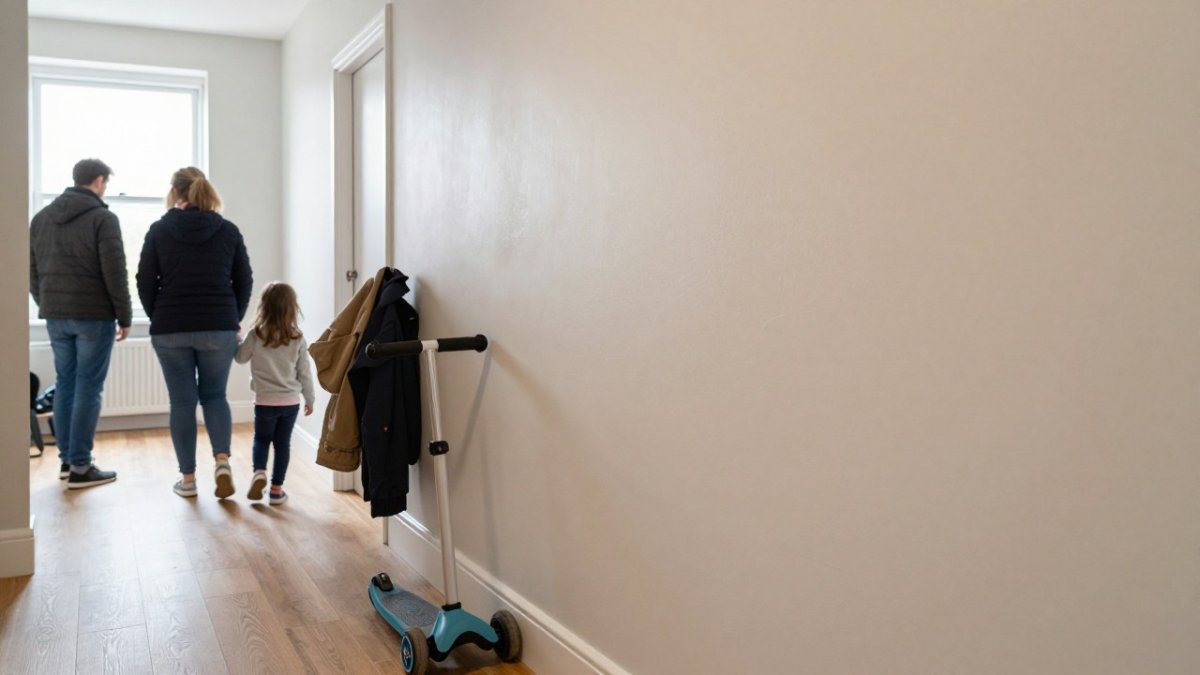
A satin or washable eggshell finish is usually the best balance here. It cleans easily and hides most everyday scuffs better than a high-gloss product, which would show every mark. Some households choose a slightly deeper, darker shade in these areas, since darker tones tend to disguise marks well, though this is a matter of taste rather than a rule. Compare long-lasting hallway finish options to see which sheens suit a high-traffic landing.
Consider painting skirting boards and door frames in a harder-wearing gloss or satin to protect them. These are the points where most impacts occur, and a tougher finish here can save a full redecoration later.
Best Paint for Kitchens and Dining Areas
Kitchens introduce grease, steam and frequent wiping, all of which demand a finish that can be cleaned without damage. A satin or silk emulsion is generally the most practical choice on walls, while the area directly behind cookers and sinks benefits from a moisture-resistant or specifically kitchen-rated product.
Ventilation matters as much as paint choice. Extracting steam and cooking fumes reduces the grease that builds up on walls and makes cleaning easier over time. For dining areas that are not directly next to the hob, an eggshell finish may be enough and gives a softer look.
Best Paint for Children's Rooms and Playrooms
Children's rooms need paint that tolerates crayons, sticky fingers and the occasional attempt at decorating. A scrubbable matt or washable eggshell is usually the most suitable, because it can be wiped down without the sheen revealing every mark.
Look for low-odour, low-VOC formulations, which are better for rooms where children spend long periods. Choose a colour with some depth rather than a very pale shade, since lighter walls show crayon and fingerprint marks more quickly. Keep a spare tin of the same paint for touch-ups.
Surface Protection Options That Work Alongside Paint
Paint alone cannot protect every vulnerable area, so several supplementary measures help. Corner guards on door frames and hallway corners absorb impacts before they reach the paint. Wall protectors, rails or dado panels can be fitted at the height where scuffs concentrate, and they are simple to replace if damaged.
Sealants and protective coatings are sometimes used on specific surfaces, but they must be compatible with the paint beneath and are not suitable for every wall. Check the product's instructions and any warranty conditions before applying anything over a finished wall. For specialist protective products and how they fit with different finishes, read our guide to protective sealants for high-use home surfaces before deciding.
Comparing Durable Wall Paint Options at a Glance
The table below summarises the main finishes and where each performs best. Use it as a starting point, then check the manufacturer's scrub-resistance rating for the specific product.
| Finish | Cleanability | Hides Marks | Best Location | Main Drawback |
|---|---|---|---|---|
| Matt (standard) | Low | High | Low-traffic bedrooms, ceilings | Marks stick, hard to clean |
| Matt (washable) | Medium | Medium-high | Living rooms, bedrooms | Costs more than standard matt |
| Eggshell | Medium-high | Medium | Living rooms, dining rooms | Shows wall flaws slightly |
| Satin | High | Medium-low | Hallways, kitchens, playrooms | Highlights uneven surfaces |
| Silk | Very high | Low | Kitchens, heavy-use areas | Shows every flaw and mark |
Surface Magic Repairs works with many wall and fitted surfaces, and for fixtures such as baths and worktops, our team can advise whether a repair or redecoration is the more sensible route. For more on finish choices across the home, explore our durable finishes guide for high-traffic areas.
How to Repair Scuffed Wall Paint Without Repainting the Room
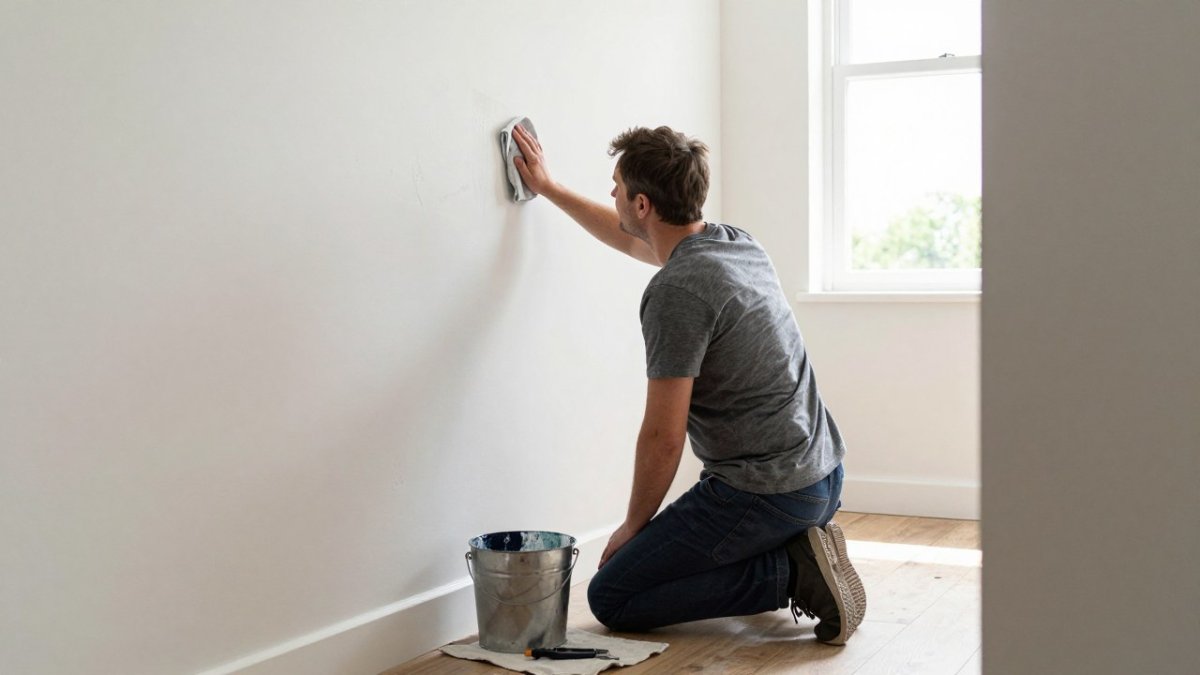
Small scuffs and marks can often be dealt with without redecorating the whole room. Start by gently cleaning the area with a barely damp cloth and mild soap, working from the outside of the mark inwards. Many scuffs lift away completely with this alone.
If the mark remains, let the area dry thoroughly, then use a small amount of matching paint on a fine brush or sponge, feathering the edges so the touch-up blends in. Use paint from the original tin where possible, stirred well, and test on an inconspicuous spot first. Read our practical guide to repairing chipped surfaces for more on preparing the area before touching up. Keep in mind that older paint may have faded slightly, so a patch can show even when the colour looks correct in the tin.
For broader wear around the same area, a careful repaint of the affected wall section is often more effective than repeated spot treatments. Where damage goes beyond surface scuffing, learn how to assess rental property damage for repairs to decide what is practical to do yourself.
Assessing Whether Scuffs Can Be Repaired
Before attempting a repair, look at the mark closely. A surface scuff or light smear is usually simple to remove. Marks that have penetrated the paint film, stained the plaster, or left a raised or bubbled area need more than cleaning. Crazing, flaking paint or moisture staining suggests an underlying problem that should be investigated before any cosmetic work.
Ask yourself whether the damage is cosmetic or structural, and whether it is confined to the paint or extends into the substrate. Cosmetic marks are generally manageable at home, while anything that suggests moisture, movement or deterioration deserves a professional opinion.
Preparing Walls and Choosing Your Paint Sheen
Good preparation determines how long any finish lasts. Remove loose paint, fill cracks and holes with an appropriate filler, and sand smooth. Clean the wall to remove grease and dust, particularly in kitchens and hallways. Always apply a suitable primer over repairs and bare plaster, since unprimed patches will absorb paint unevenly.
Once the surface is ready, choose the sheen according to how the room is used rather than how it looks in the shop. A matt finish may look elegant on a sample card, but in a busy hallway a satin finish will serve you far better over the years.
Understanding the Real Cost of Durable Paint
Durable paints usually cost more per tin than standard emulsions, and the price varies considerably between brands and product types. Rather than comparing the tin price alone, consider how long the finish lasts and how often you will need to redecorate or touch up. A more resilient product can reduce the frequency of repainting in heavily used rooms.
Pricing for paints and for professional work depends on the surface, the amount of preparation required, the room size and the finish selected. Current prices for Surface Magic Repairs work are available on request via a quote.
When Professional Surface Repair Makes More Sense
Some damage is beyond what paint or a quick touch-up can fix. Deep chips, cracks, burn marks and impact damage on fixed surfaces such as baths, shower trays, worktops, tiles and doors are often better repaired by a specialist than replaced. Repairing in place keeps the existing item, reduces waste and avoids the disruption of removing and refitting it.
Surface Magic Repairs is a Bolton-based company that carries out professional cosmetic repairs on these surfaces, including in occupied homes and commercial properties. Suitability depends on the material, condition and extent of the damage, so we will tell you honestly if replacement would be the more durable choice. For a repair assessment, you can contact us on 0800 085 7773 or visit surfacemagicrepairs.co.uk.
Choosing the Right Durable Paint for Your Home
Start by identifying the rooms that take the most wear, then match each one to a suitable finish: satin or washable eggshell for hallways and kitchens, scrubbable matt for children's rooms, and a softer finish for quieter spaces. Check each product's scrub-resistance rating, prepare the walls properly, and keep a spare tin for future touch-ups.
With the right paint and a little care, busy rooms can look well kept for years. Where damage goes beyond what paint can handle, a professional assessment will help you decide between repair and replacement.
Frequently Asked Questions
What is the most durable wall paint for a busy household? A satin or washable eggshell is generally the most practical choice for high-traffic areas such as hallways and kitchens. It balances cleanability with a finish that does not show every mark.
Is washable paint worth the extra cost? For homes with children, pets or frequent cooking, washable paint often extends the time between redecorations. Compare scrub-resistance ratings on the data sheet to confirm the performance you need.
Can I repair scuffed wall paint myself? Light scuffs often lift with gentle cleaning. For larger marks, a careful touch-up with matching paint can work, though older paint may have faded and the patch may show.
When should I call a professional? Call a specialist if damage is deep, cracked, stained through the finish or affecting fixed surfaces such as baths, worktops or tiles. A professional can advise whether repair or replacement is more suitable.
Frequently Asked Questions
What is the most durable paint finish for high-traffic areas?
For high-traffic areas, eggshell and satin finishes are generally the most practical choice. They have a slight sheen that lets them be wiped clean more readily than matt paint, which tends to show scuffs and absorb marks. Matt finishes can still suit low-traffic rooms or ceilings. Satin and silk finishes offer the greatest washability but show brush marks more easily, so the surface preparation and application need to be careful. The right finish depends on the room, the wall condition and how often the surface is cleaned.
How can I protect walls from scuffs and scratches in a busy home?
Fit simple barriers where contact is most frequent. Corner guards on doorways, skirting protectors and wall-mounted hooks for bags and coats all reduce impact damage. Keep a supply of matching paint for quick touch-ups, and use a soft cloth with mild soapy water rather than abrasive cleaners. Positioning furniture away from walls also helps. Consistent habits, such as not leaning prams or bikes against painted surfaces, will extend the life of the finish considerably.
Is washable paint actually worth the investment?
Washable paint is worth considering for hallways, kitchens, children's rooms and any area that gets frequent handprints or marks. Its tougher binder allows dirt to be removed without dulling the finish. However, it is not a substitute for good surface preparation and correct application. Washable paints are usually priced above standard emulsions, and the cost will vary by brand, sheen and coverage needs, so compare current prices from retailers before deciding.
How do I repair minor wall damage without repainting the whole room?
Small scuffs and light marks can often be cleaned first with a damp cloth and mild detergent. If the mark remains, a small amount of matching paint applied with a fine brush or small roller can blend the area, feathering the edges outward. Holes, deeper scrapes or areas where the finish has lifted need filling and sanding before repainting. Matching the sheen is as important as matching the colour. Where the damage is extensive or the finish is unusual, professional assessment is advisable.
What are the best wall protection solutions for hallways and kitchens?
In hallways, skirting boards, dado rails and corner guards protect the wall at the points most often struck by bags, prams and feet. In kitchens, splashbacks and wipeable paint in the areas near cooking and sinks reduce grease and moisture damage. Combining a durable washable finish with physical barriers gives the best long-term result. Choose products suitable for the surface and check manufacturer guidance on cleaning and application.